
Articles on Japanese craft — what each ware is, what its patterns mean, the food it holds, the days it comes out for, and the places behind it.
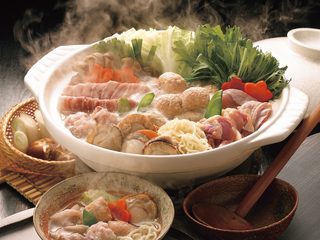 NewestJapanese Hot Pot at Home: From One Pot to Your Own BowlOne pot on the table, from yosenabe and shabu-shabu to the donabe, the dipping sauce and the udon at the end.Continue reading
KogeiPottery, Lacquer, Metal & GlassHow each ware is made, and where it comes from.Motifs, Symbols & AestheticsWhat Japanese motifs and lucky figures stand for, and the thinking behind wabi-sabi.Recipes & Table SettingHome cooking, and how the table is set.Festivals & SeasonsWhat is hung, displayed and eaten through the Japanese year.Travel in JapanDay trips to Osaka, Kyoto and Kagawa, and Japan’s rivers.
KogeiPottery, Lacquer, Metal & Glass
How each ware is made, and where it comes from.
 What Is Arita Ware? A Guide to Japan’s Oldest PorcelainJapan’s first porcelain: what the body is, the eight surfaces from plain white to gold, and the five styles since the 1600s.
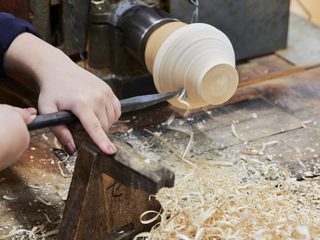 Yamanaka Lacquerware: The Craft of the Wooden BodyLacquerware that begins with the turned wooden body beneath the finish, and what the lathe decides about its shape.
 Hagi Ware — A Guide to Japan’s Slowly Changing PotteryPale crackled glaze that slowly takes on the color of the tea you drink from it.
See all →
 What Is Tokoname Ware? A Guide to Choosing a KyusuJapan's leading kyusu region, where iron-rich clay and a built-in ceramic strainer shape the pot.
 What Is Shigaraki Ware? A Guide to Japan’s Rustic StonewareRustic stoneware from Shiga, known for coarse clay, scorch marks and the honest surface the kiln leaves behind.
 What Is Nanbu Tekki? A Guide to Tetsubin and Iron TeapotsCast iron from Iwate, and the difference between a tetsubin for the hearth and an iron teapot for the table.
 What Is Bizen Ware? A Guide to Japan’s Unglazed PotteryOkayama stoneware made without applied glaze, where the kiln itself draws the surface.
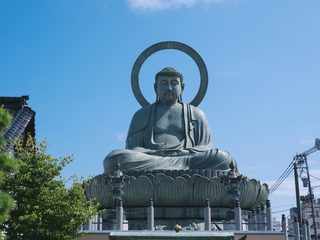 Takaoka Metalwork — Where Temple Bells and Tea Vessels Are BornFour centuries of casting in Takaoka, where temple bells, incense burners and tea vessels come from one tradition.
 What Is Mino Ware? The Everyday Japanese Ceramic You Probably Already OwnThe ceramic most Japanese homes already own, and the Shino, Oribe, Kizeto and Setoguro glazes of the Tono region.
 Japanese Lacquerware: A Beginner’s Guide to Urushi, Modern Lacquer, and Everyday UseTraditional urushi, modern cashew and urethane finishes, and how to tell what you are holding.
 Edo Kiriko: The Cut Glass of Tokyo’s Old Downtown — A Reading of the PatternsTokyo's cut glass read through its patterns: kagome, yarai, shippou, kiku-tsunagi and sakura.
 Japanese Pottery Styles: A Complete Guide to Regional TraditionsA tour of Japan's regional pottery traditions, from Arita porcelain to the unglazed stoneware of Bizen.
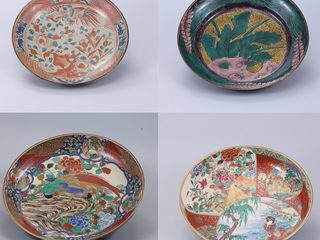 The Enigmatic Ko-Kutani — Origins of Kutani WareThe 17th-century Ko-Kutani style at the root of Kutani ware, and the bold green Ao-de palette it is remembered for.
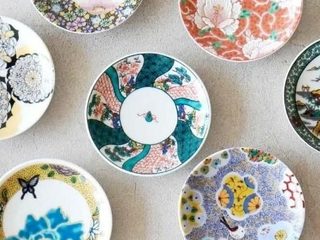 What Is Kutani Ware? A Textbook-Style Guide to Its Features, History, and MakingIshikawa's iro-e porcelain explained from the beginning, including the Five Kutani Colors and how a piece is made.
 Why Mino Ware Is Trusted by Professionals in the Food IndustryWhy professional kitchens reach for Mino ware: the balance of beauty, durability and daily practicality.
 The Timeless Art of Japanese Ceramics: A Journey Through HistoryFrom the ancient kilns to Edo-era porcelain, how Japanese ceramics came to look the way they do.
Motifs, Symbols & Aesthetics
What Japanese motifs and lucky figures stand for, and the thinking behind wabi-sabi.
 Camellia, Peony, and Chrysanthemum: Three Flowers That Carry Japan’s Best WishesCamellia, peony and chrysanthemum: three flowers that carry Japan's best wishes, by color and season.
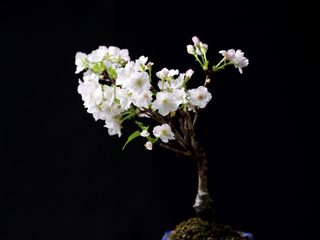 Seasonal Patterns in Japanese Craft: Sakura, Momiji, Yukiwa & The Year Read in MotifsUme, sakura, asanoha, ryusui, momiji, moon-and-rabbit and yukiwa, read as a calendar in motifs.
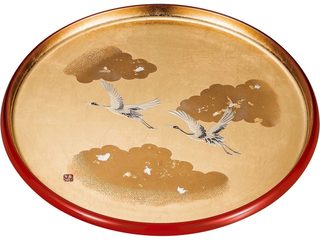 Seven Lucky Japanese Motifs Explained: Meaning, Symbolism & Gift TraditionsCranes, turtles, scrolling vines, calm waves, gourds, gathered treasures and pine-bamboo-plum, and the wish each one carries.
See all →
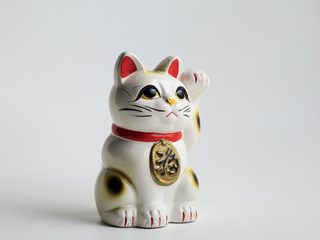 The Story of Maneki Neko: Japan’s Beckoning Cat — Origin Legends, Paw Symbolism & Color MeaningsThe origin legends of Japan's beckoning cat, and how paw and color came to mean what they mean.
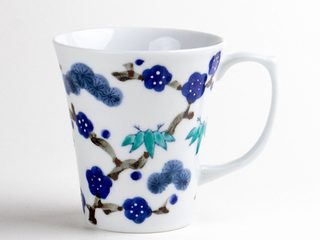 Arita Ware Patterns Explained: Meanings, Symbolism & Gift IdeasThe meanings carried by Arita's painted patterns, and what a motif is quietly wishing for.
 The Zen of Gold: Bringing Sacred Radiance into Your Daily LifeKanazawa's four-hundred-year gold-leaf tradition, and what gold looks like on a piece used every day.
 What Is Wabi-Sabi? How to Bring Japanese Aesthetics into Your HomeThe Japanese idea that finds beauty in the imperfect, the weathered and the plain.
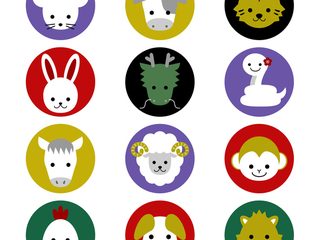 What Is the Japanese Zodiac (Eto)? — A Friendly Guide for Global ReadersHow the Ten Stems and Twelve Branches turn in a sixty-year cycle, and the Great Race behind the twelve animals.
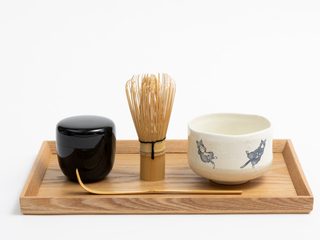 Calm & Beautiful: A Refined World of Cat-Motif Tableware for Grown-UpsCats drawn in a few lines on condiment dishes, mini plates and silhouette mugs, in matte glazes that suit a grown-up table.
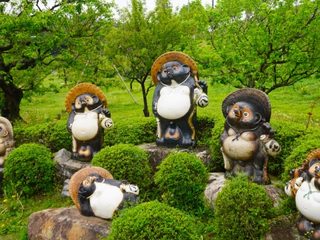 Shigaraki Tanuki Statues — History, Symbolism, and How to Choose the Perfect OneThe Shigaraki tanuki: where the figure came from, what it is said to invite, and how it is read.
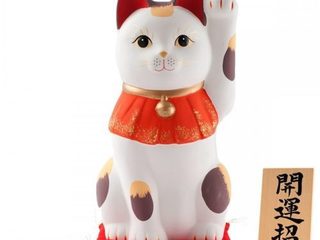
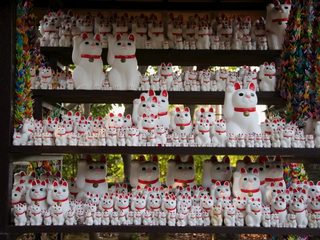 The Meaning of Maneki Neko: Colors, Raised Paws, and How to Choose the Right OneColors, raised paws and the small differences that decide which beckoning cat belongs in a home.
 Kyoto Maneki Neko — Craft, Washi, and the Lucky Cats of Japan’s Ancient CapitalThe lucky cats of Kyoto, made with washi and the city’s own crafts rather than cast in one piece.
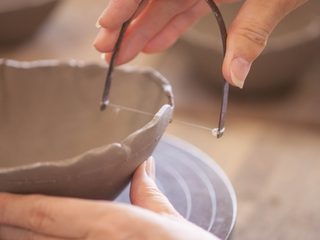 Why Japanese Crafts Feel Different — A Primer on Shokunin, Materials, and Objects Built to LastShokunin, materials and time — why a Japanese craft object feels different from a thing that was merely manufactured.
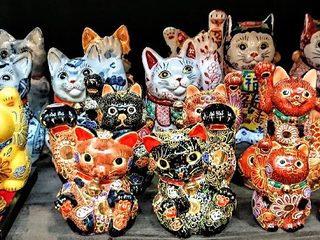 Maneki Neko Color Meanings — A Complete Guide to Lucky Cat SymbolismWhat each color of beckoning cat is asking for, from the white one to the black, the gold and the red.
Recipes & Table Setting
Home cooking, and how the table is set.
Japanese Hot Pot at Home: From One Pot to Your Own BowlOne pot on the table, from yosenabe and shabu-shabu to the donabe, the dipping sauce and the udon at the end.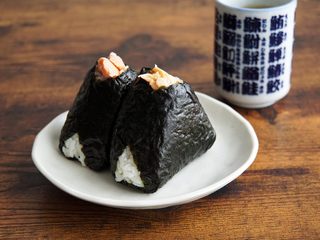 Onigiri Fillings: 6 Japanese Favorites to Try at HomeSix classic onigiri fillings by taste and texture, and how to shape a rice ball by hand.
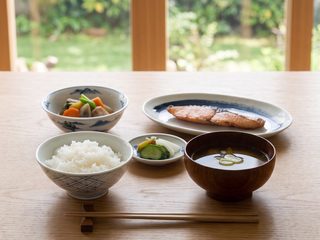 How to Plate a Japanese Meal at Home — Vessels, Placement, and SpaceWhich vessels do the work, where each one sits, and how empty space finishes a Japanese meal.
See all →
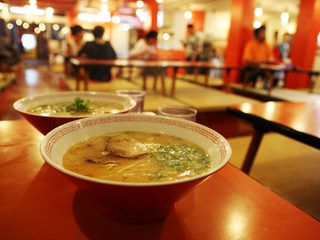 The Culture of Japanese RamenWhere ramen came from, how its broth and noodles are built, and the part the bowl plays in the eating.
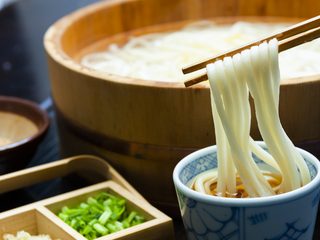 Japanese Udon: A Traveling Primer (Next up: Kagawa)How udon is made, the Sanuki, Inaniwa and Kishimen styles, and the difference between eastern and western broth.
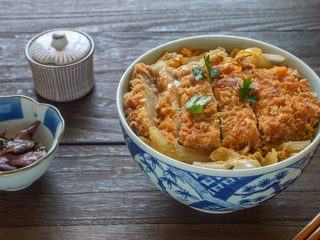 Enjoy Katsudon with Mino Ware — Crispy Pork Cutlet & Fluffy Egg Rice Bowl RecipeCrispy pork cutlet, soft egg and savory dashi over rice, served in Mino ware.
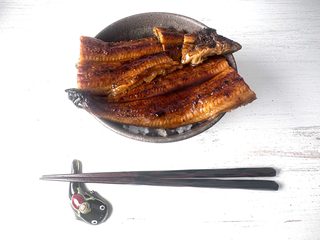 I Tried Supermarket Unagi on Doyo no Ushi no Hi — A Taste of Japanese SummerDoyo no Ushi no Hi kept simple, with supermarket unagi and a Shigaraki ware bowl.
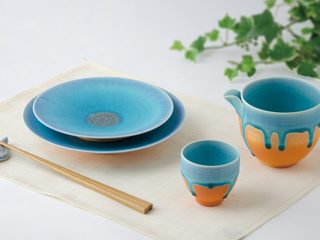 Cool Down Your Summer Table: Blue-Glazed Japanese Tableware & Refreshing Styling IdeasBlue-glazed Mino and Shigaraki pieces, and simple ways to make a summer table feel cooler.
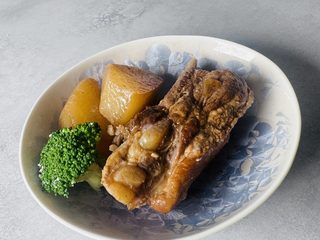 Braised Pork Spare Ribs with Daikon Radish — A comforting dish served in a shimmering Kyoto ware bowlA home-style braise of pork spare ribs and daikon, served in a Kyoto ware bowl.
Festivals & Seasons
What is hung, displayed and eaten through the Japanese year.
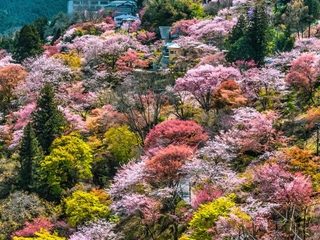 Cherry Blossom Season in Kansai — A Guide to Hanami, History, and Japanese CraftHanami in Kansai, from the slopes of Yoshino-yama to Himeji Castle in bloom.
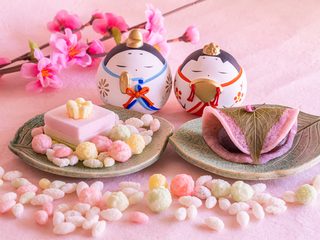 Hinamatsuri (Doll Festival) in Japan: Meaning, March 3 Traditions, and How to Celebrate with Japanese CeramicsHinamatsuri on March 3rd, with hina dolls, peach blossom and the foods that belong to the day.
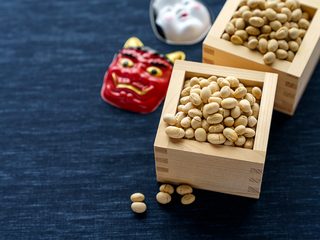 Setsubun in Japan: Bean-Throwing, Oni, Ehomaki, and a Seasonal Table in Early FebruarySetsubun in early February, with bean-throwing, oni, ehomaki and a seasonal table.
See all →
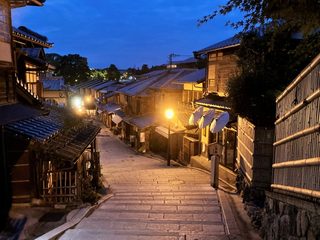 A Quiet Japanese Year-End: Resetting Your Home, Welcoming the New “Eto,” and Saying Thank YouA quiet Japanese year-end: resetting the home, welcoming the new Eto, and saying thank you.
 Bring Japanese Autumn Home: Curated Tapestries with Seasonal StoriesKyoto tapestries of the moon, pampas grass, rabbits and maple leaves, hung for the season.
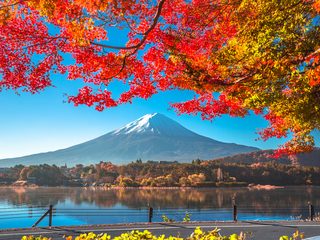 The Soul of Japan’s Autumn — The Art of Momiji and Seasonal HarmonyMomiji, and how Japan reads autumn through the turning of the maples.
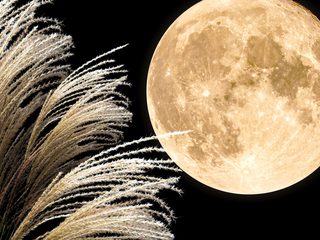 Moon Viewing — Appreciating the Beauty of the Harvest MoonTsukimi, and the long habit of gathering to look at the harvest moon.
 Japanese Summer Decor: “Indigo, Breeze & Chime” — Noren, Wind Chimes, and Uchiwa TapestriesIndigo, breeze and chime: noren, wind chimes and uchiwa-motif tapestries for a Japanese summer.
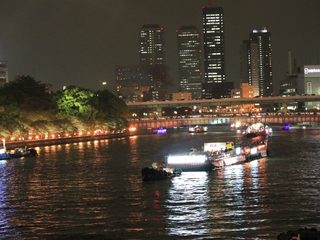 Tenjin Festival: A Timeless Celebration of Summer in OsakaOsaka's Tenjin Festival, when lanterns, drums and the river carry the height of summer.
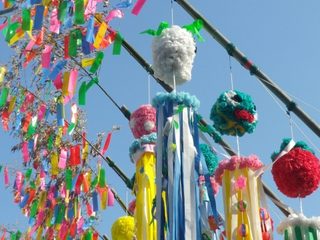 Celebrate Tanabata — A Magical Japanese Summer Festival with Handmade DecorTanabata on July 7th, the two stars kept apart, and the wishes tied to bamboo.
 Let the Sound Bring Coolness — Nambu Ironware and Takaoka Copper Wind ChimesWind chimes of Nanbu iron and Takaoka metal, and the way a single sound can cool a room.
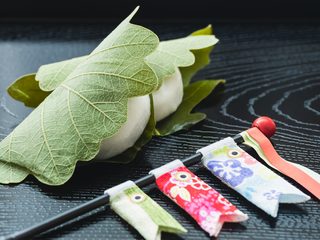 Tips for Enjoying Children’s DayTango no Sekku on May 5th: koinobori, kabuto and the wish for a child to grow up well.
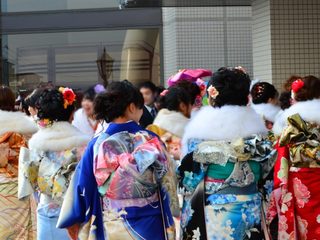 Seijin-shiki - The coming of age ceremony is a ritual to celebrate the new adults.Seijin-shiki: the January ceremony for those turning twenty, and what the day looks like from inside it.
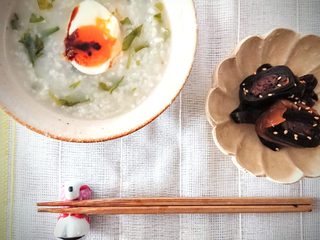 Nanakusa-gayu — The Seven-Herb Rice Porridge That Resets the Japanese New YearThe seven-herb porridge eaten on January 7th, and what it is meant to settle after the New Year.
Travel in Japan
Day trips to Osaka, Kyoto and Kagawa, and Japan’s rivers.
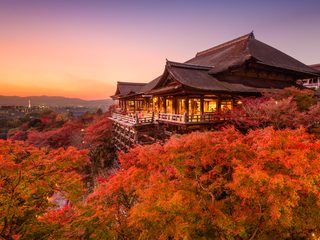 Kiyomizu-dera — Kyoto’s Timeless Temple and the Spirit of Kiyomizu-yakiKiyomizu-dera above Kyoto, the Otowa waterfall, and the Kiyomizu-yaki made in its shadow.
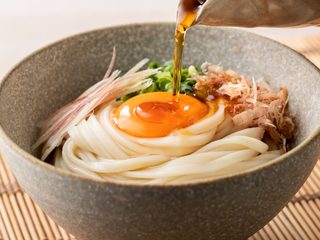 Udon in Kagawa: Tamura / Ogataya / Tanigawa Beikokuten / Miyoshi UdonA morning in Kagawa's udon country, through four shops and four ways of serving a bowl.
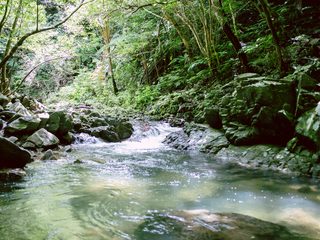 Rivers of Japan — The Pure Flow That Nurtures Culture and LifeThe rivers of Japan, from clear mountain streams to the summer fireworks over the Sumida.
See all →
Care notes and buying guides live in the Handbook →