
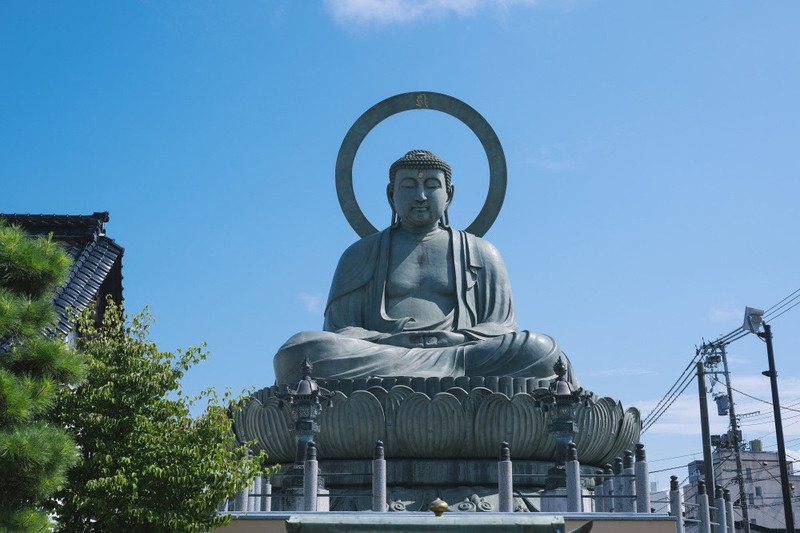
In one small city in Toyama, a single casting tradition has learned to make objects for almost every corner of life in Japan — the bell on the altar, the vase in the alcove, the cup in your hand.
If you have started to look at Japanese metalwork, the word Takaoka (高岡) appears again and again, attached to very different things. A brass sake cup is Takaoka. A bronze incense burner is Takaoka. So is a temple bell, a Buddhist statue, a wind chime, a small iron paperweight on a writer's desk. It is fair to wonder what actually holds all of that together, and which piece, among so many, is meant for you.
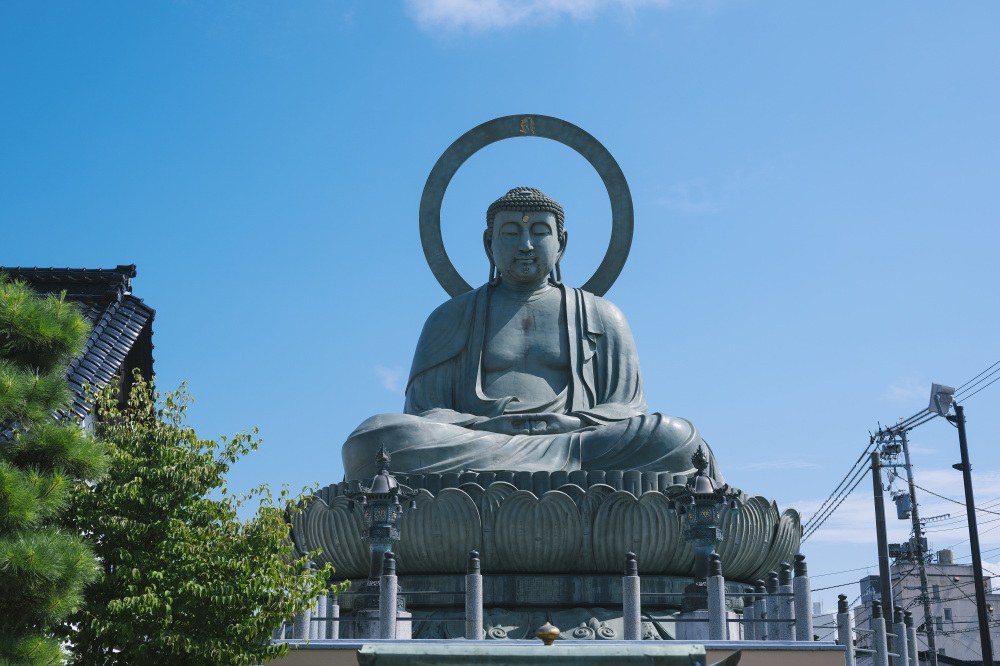
The short answer is that Takaoka is not a single object but a town of metal. For more than four hundred years it has nurtured a casting culture, and today it stands among Japan's leading centers of metalwork — where the same casting tradition that produces a temple's bronze bell also produces the small cup you drink from in the evening. This is a guide to what Takaoka metalwork is, the many forms it takes, and how to choose one piece with confidence.
On this page
2. Why Takaoka — A Castle Town Built on Casting
3. What Takaoka Casts — From the Altar to the Table
4. How to Choose — Start With the Metal
5. Who It's For — and What It Says as a Gift
6. Living With It — Use and Care, Honestly
7. Editor's Picks — Three Rooms, Three Pieces
8. Frequently Asked Questions
9. Closing
1. What You Notice First — The Metal in Your Hand
Before any history, there is the feel of the metal itself, and in Takaoka that feel changes completely depending on which metal you are holding.
Tin (suzu) is the surprise. Pure tin is a soft, cool metal that carries a gentle weight beyond its appearance — more heft in the hand than porcelain, though it never looks heavy. Because tin conducts heat readily, a chilled drink makes itself felt at once, the cold traveling up through the walls of the cup. The modern Takaoka maker Nousaku built its name on this quality: pure tin is soft enough that certain pieces designed to be reshaped, such as their KAGO baskets, can be gently bent by hand. This is a feature of specially designed pieces, though, not of tin in general — cups and gold-leaf pieces are meant to keep their shape and should not be bent.
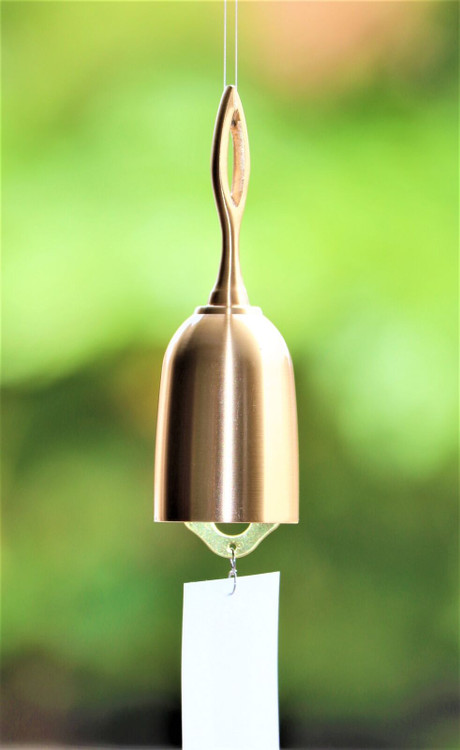
Brass (shinchū) is warm where tin is cool — a soft golden color that suits a celebratory cup or a candlestick. Bronze and copper (seidō, dō) are the metals of depth: colored by hand through niiro, a traditional patination technique, and related methods, they take on browns, greens, and near-blacks that read less like a finish than like a landscape. Cast iron is the plainest and most substantial of the four; weighty in the hand, it rings with a clear, lingering note when it becomes a wind chime, and holds its warmth when it becomes a kettle.


What all of these share is the act at the center of the craft: casting. Molten metal is poured into a mold, then finished and colored by hand. Takaoka's unusual range — that it can make a giant statue and a small, palm-sized water dropper — comes from generations of skill in choosing and working many metals: iron, copper, bronze, brass, tin, even silver. The material is chosen to suit the object, and the object can be almost anything.
2. Why Takaoka — A Castle Town Built on Casting
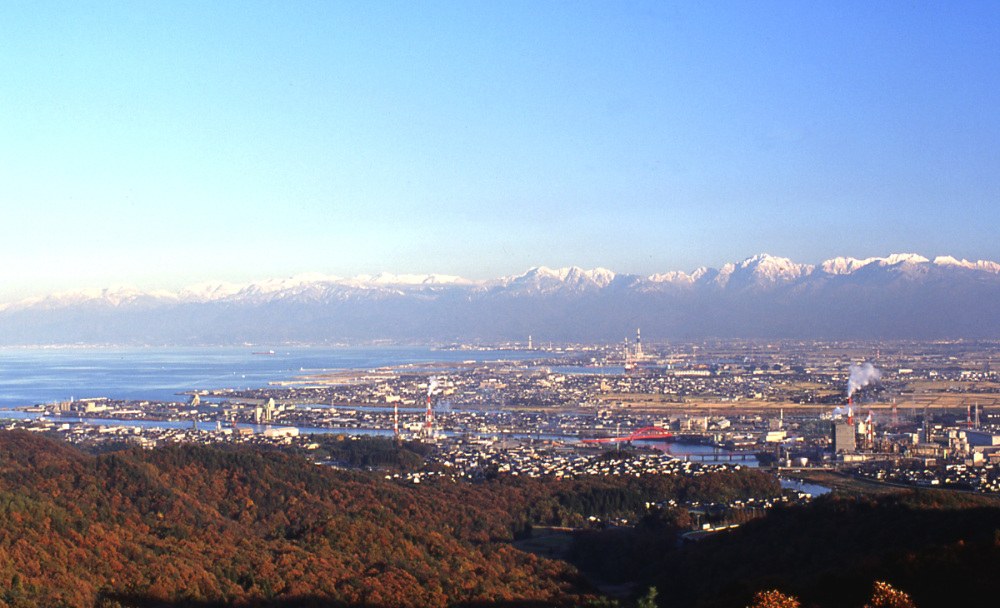
The range has a simple root. In 1611, Maeda Toshinaga, the second lord of the Kaga domain, invited seven casters to settle in his new castle town and gave the craft a place to grow. What began with everyday iron pots and kettles widened, over the centuries, into temple bells and Buddhist fittings, then into fine art castings and the large outdoor bronze statues you find in parks and temple grounds across Japan — the great Takaoka Daibutsu, completed over decades of local casting work, among them. Takaoka has produced a large share of Japan's outdoor bronze statues and monuments, and it is often called one of Japan's foremost centers of copperware.
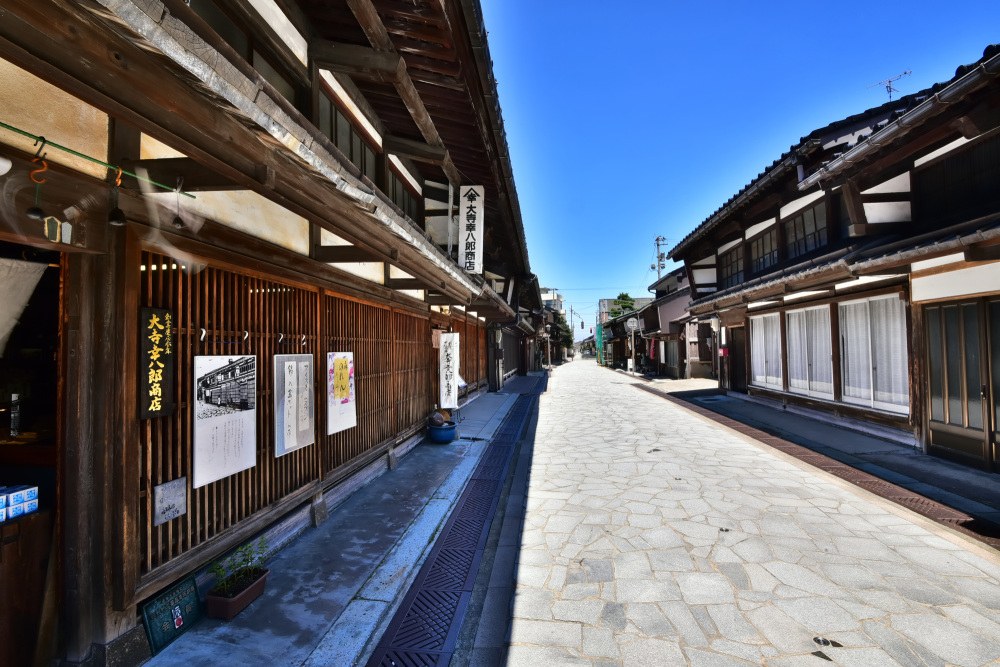
That is why a Takaoka shelf can hold a temple bell and a desk paperweight side by side without contradiction. They are not the same object, or even made by the same hands, but they are born of the same metalworking culture — one town's long practice of casting whatever the age asked for.
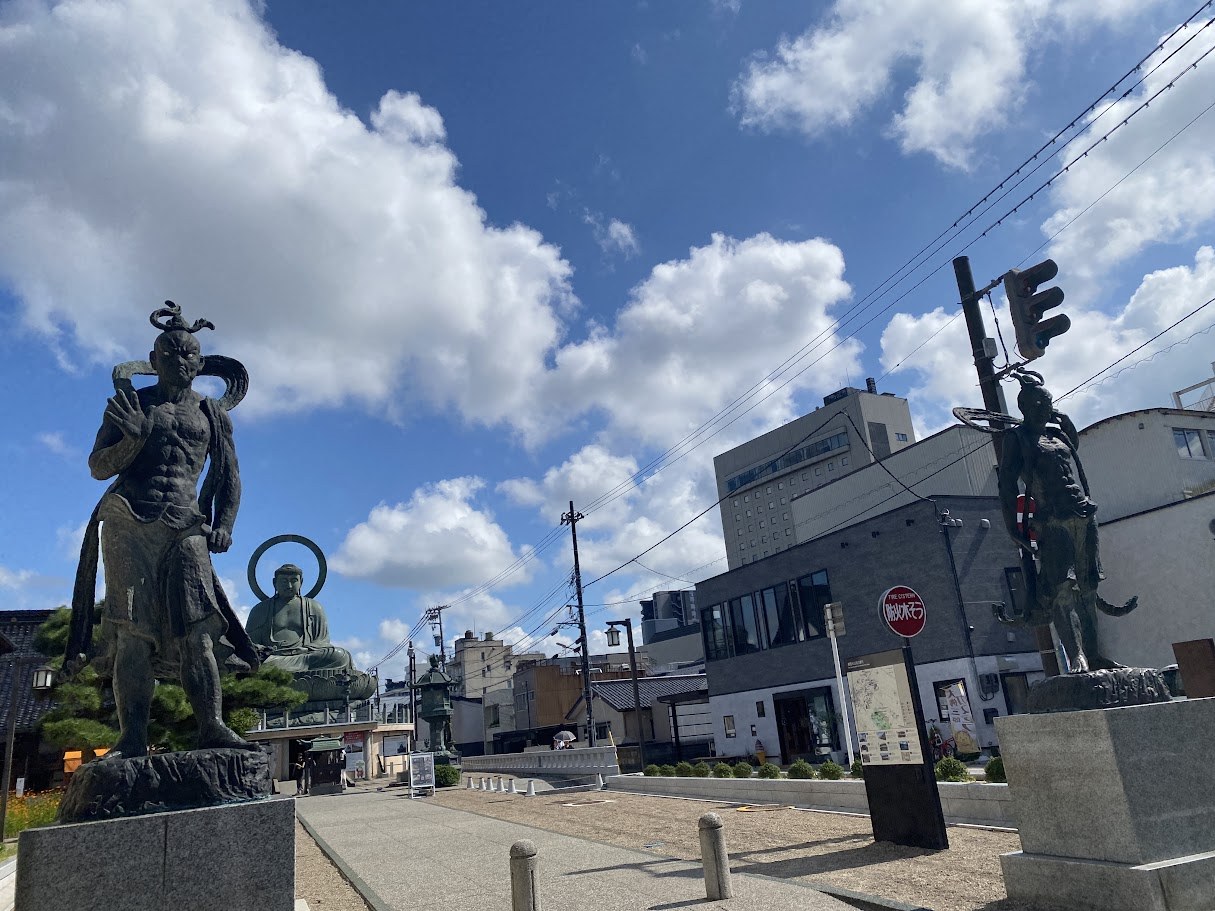
3. What Takaoka Casts — One Town, From the Altar to the Table
The best way to understand Takaoka is not by product category but by walking through a home. The same tradition turns up in room after room, each time in a different form.
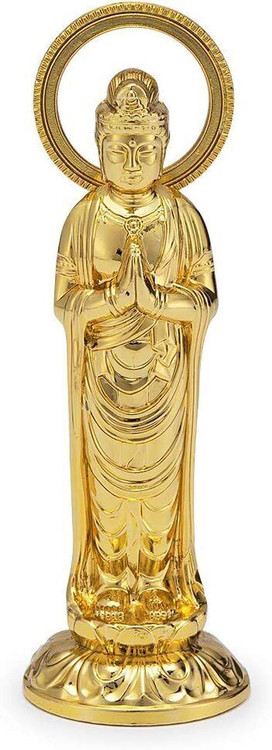
At the altar. The town that cast temple bells also casts the fittings of the household altar. Here you find the orin — the small bowl-bell whose single, clear tone opens and closes a moment of prayer — along with cast Buddhist statues of Amida, Kannon, and other figures, candlesticks, and incense burners (kōro) in bronze. These are the pieces that carry Takaoka's oldest and most sacred line of work down to a size that sits in a corner of the home.
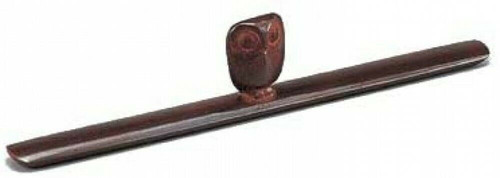
At the desk. Move to where someone writes, and the metal reappears at the scale of the palm. Takaoka casts the small tools of calligraphy: bunchin, the slim paperweights that hold paper still under the brush; suiteki, the water-droppers that release a few drops onto an inkstone; brush stands and lidded vermilion seal-paste containers. Each is a small, complete world in the hand.
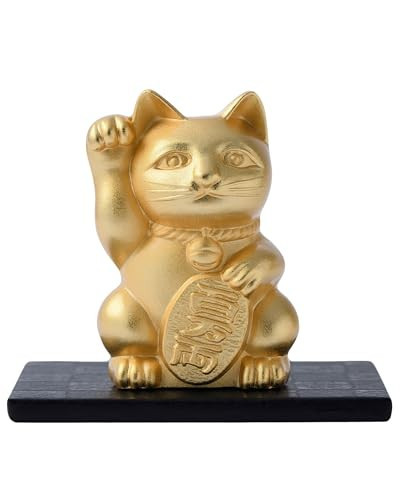
On the shelf and in the alcove. In the display alcove and on shelves you find the decorative side of the craft: the zodiac animal of the year, a samurai's helmet in miniature, a dragon, a white tiger, the lucky gods, and — cast here in metal — the beckoning cat and the round Daruma. These are objects associated with wishes and the seasons, brought out to mark a new year or a new home.
At the table, and in daily life. Finally the metal arrives at the table. This is where Takaoka's tea vessels live — the cast-iron tetsubin kettle in which water is boiled for tea, its heavy body holding warmth — alongside tin and brass cups for sake, flower vases, and the wind chimes that mark the summer. Here the restraint of the altar gives way to something companionable and everyday.
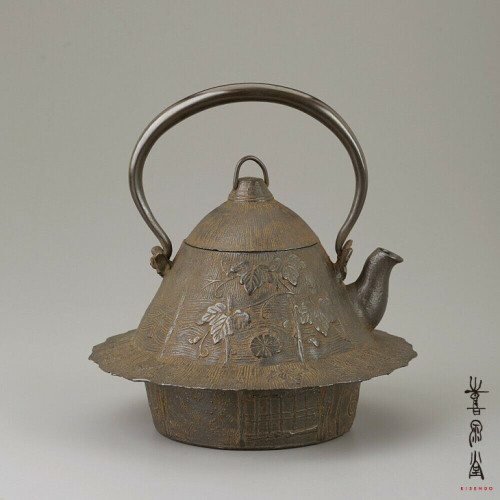
One casting culture, reaching from the sacred to the writing desk to the table. That breadth is not a marketing claim about Takaoka; it is Takaoka.
4. How to Choose — Start With the Metal
Once you know where a piece will sit, the simplest next step is to choose by which metal it is made of, because in Takaoka the material tells you most of what you need to know about how a piece will behave.
| Metal | Character | Suits |
|---|---|---|
| Tin | Soft, cool to the touch, conducts a drink's chill to the hand; certain designed pieces flex | Chilled-sake cups, flower vessels (Nousaku) |
| Brass | Warm golden tone, a sense of occasion | Gift sake cups, candlesticks |
| Bronze / Copper | Deep hand-applied color, a “landscape” surface | Incense burners, vases, statues, ornaments |
| Cast iron | Plain, substantial, a lingering ring | Tetsubin kettles, wind chimes, paperweights |
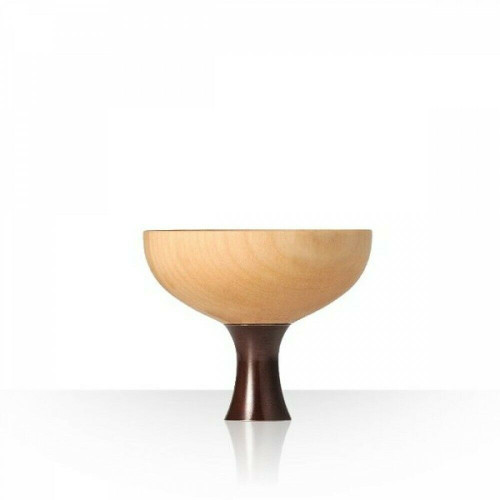
If you are buying your first Takaoka piece, tin — available in small sake cups and easy to bring into everyday life — is an approachable way in. If it is a gift meant to carry weight, brass or bronze reads as more formal.
5. Who It's For — and What It Says as a Gift
Because Takaoka reaches so many corners of a life, it works especially well as a gift, provided you match the piece to the person.
To give an orin is, in a sense, to give sound: the clear tone of the temple-bell town, brought down to the palm, marking a small pause in the day. It suits someone who values a calm sound, or who keeps a place at home for prayer or reflection.
To give a cast Buddhist figure is to give something to sit with — best offered to someone you know would welcome a piece with religious meaning, for whom it becomes a focus for a still corner rather than mere decoration.
To give a bunchin or a suiteki is to give to someone who works at a desk — a calligrapher, a student, a person who loves a good pen. These small tools say I noticed how you spend your hours.
And to give a zodiac figure, a beckoning cat, a Daruma, or a miniature helmet is to give a wish — for a new home, a birth, a season, the turn of the year.
Pieces like these carry their meaning without display. A Takaoka object is, at heart, a way of placing a little calm — or a little good fortune — into someone's ordinary day.
6. Living With It — Use and Care, Honestly
Takaoka metal is made to be used, and most of it asks very little of you — but each metal asks for something slightly different.
Tin is soft, which is its charm and its one caution: it scratches easily, so wash it gently by hand, keep it out of the dishwasher, and avoid abrasive scrubbing. A little mild detergent and a soft cloth is all it wants.
Copper, bronze, and brass may deepen in color over the years, and that deepening is, in most cases, a natural effect of age rather than damage. Here one honest warning matters more than any tip: avoid abrasive cleaners and metal polish unless the maker specifically recommends them. Polishing can strip away the hand-applied niiro coloring, a lacquer layer, or a protective finish, and what looks like “restoring the shine” often removes the very thing that made the piece beautiful. We are, frankly, of the school that does not polish — we let a piece deepen and keep its own history.
You may also notice slight variations from piece to piece in casting texture and hand-applied color. These are natural characteristics of the casting and hand-finishing process, and are usually not flaws.
7. Editor's Picks — Three Rooms, Three Pieces
Three Takaoka pieces from our collection, one for each of three rooms — the altar, the table, and the desk.
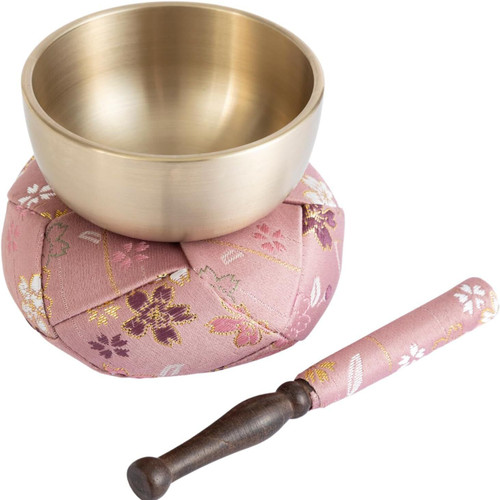
Pick 1 — The Altar: A Takaoka Orin Bell Set. A home orin that comes as a complete set — the bowl-bell, its cushion mat, and the striker — sized at just under three inches to sit in the corner of a room. Struck once, it gives a single, sustained note, and makes a gentle first encounter with Takaoka's oldest craft. A heartfelt gift for someone who values a calm sound or keeps a place for prayer or reflection. (See the orin)
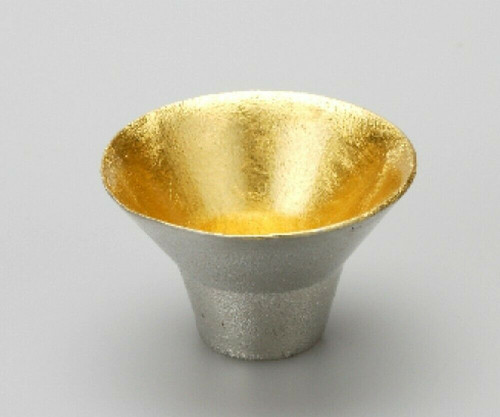
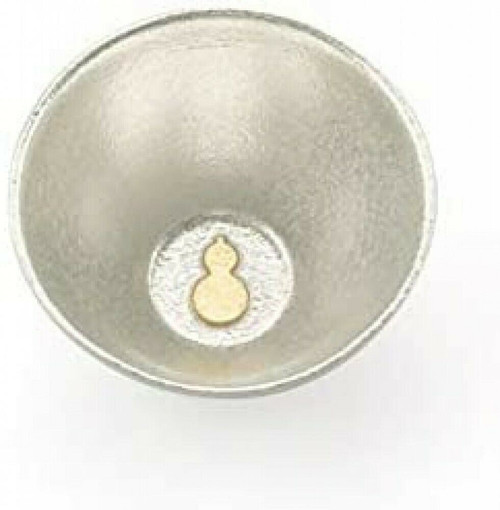
Pick 2 — The Table: A Nousaku Tin Sakazuki, Gold Leaf. A shallow tin sakazuki cup from Takaoka's best-known modern maker, finished with gold leaf. It carries all of tin's gentle weight and cool touch, and makes an approachable, characterful first piece. One note: because of the gold-leaf finish, this cup is not meant to be bent — it is made to keep its shape. (See the cup)
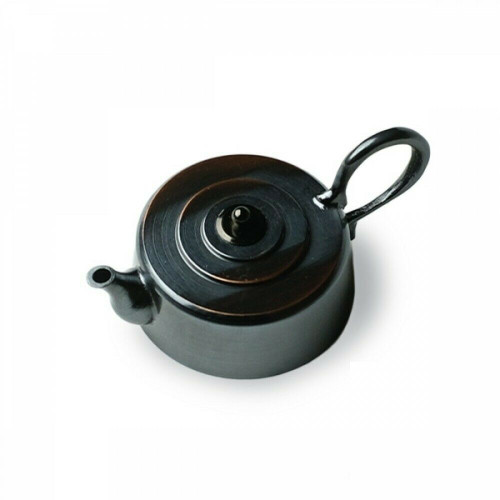
Pick 3 — The Desk: A Cast Water-Dropper (Suiteki). A suiteki releases a few drops of water onto an inkstone — one of the smallest and most purposeful tools in Japanese calligraphy. Cast in metal and sized for the palm, it is a thoughtful gift for a calligrapher or anyone who appreciates finely made desk objects. (See the water dropper)
8. Frequently Asked Questions
Q: I'm new to Takaoka metal — how do I choose one?
Start with two questions. First, where will it sit — the altar, the desk, the shelf, or the table? That narrows the field quickly. Then choose by metal: tin for an everyday cup with a cool touch and gentle weight; brass for a warm, more formal gift; bronze or copper for a piece with depth and color; cast iron for kettles, chimes, and desk weights. Place first, material second — that is the easiest way in.
Q: Is tin too soft for everyday use?
Not at all — tin is soft, but it is entirely practical for daily use. Its softness simply asks for a little care: wash it gently by hand rather than in a dishwasher, and don't scrub it with anything abrasive. Do note that while some Nousaku pieces are designed to be reshaped, cups and gold-leaf pieces are meant to keep their shape and should not be bent. Softness here is a character, not a shortcoming.
Q: Is Takaoka metalwork still made and used in Japan today?
Yes. The casting tradition that began in 1611 has been handed down to the present, changing what it makes along the way. Today Takaoka still casts Buddhist fittings and altar bells, the small tools of calligraphy, decorative pieces for the home, and — through modern makers — a new generation of tin and brass tableware. It is a living craft, not a museum one.
Q: What's the difference between copper, bronze, brass, and tin here?
They differ first in what they are. Copper is a single metal. Bronze is an alloy of mainly copper and tin, sometimes with other metals added. Brass is an alloy of copper and zinc. Tin is a separate metal again. In Takaoka each is chosen for its color, hardness, sound, and finish: copper and bronze take a deep, hand-applied color and suit incense burners, vases, and statues; brass is warmer and more golden, good for cups and candlesticks; tin is soft and cool, well suited to everyday cups and small vessels; cast iron is plain and substantial and becomes kettles, chimes, and paperweights.
Q: Can I keep a Japanese Buddha statue or orin at home if I'm not Buddhist?
You do not need to be Buddhist to keep an orin as an object for reflection or simply to enjoy its sound, and a cast figure can be kept respectfully as a focus for a still corner. If you are placing an orin within a formal Buddhist altar, however, the customs of arrangement and use can vary by school and by family tradition, so it is worth following the practice you were taught.
Q: Do the bronze pieces need polishing or special care?
Very little. A soft, dry cloth is usually enough. We'd gently advise against metal polish or abrasive cleaners unless the maker specifically recommends them, because polishing can remove the hand-applied color or protective finish that gives a bronze piece its character. In most cases, letting the surface deepen with time is not neglect — it is the point.
9. Closing
Takaoka rewards a particular way of looking: not simply, “What is this object?” but, “How far can one town's metalworking tradition reach?” From the bell on the altar to the kettle on the table, the answer is remarkably far. If you would like to hear more about the small bell in particular, our guide How to Use a Rin Bell is a good next step.
— from Osaka, Team Manekineko-Ai
PIECES IN THIS ARTICLE
Three ways to start with Takaoka metalwork
CONTINUE READING
MORE IN KOGEI →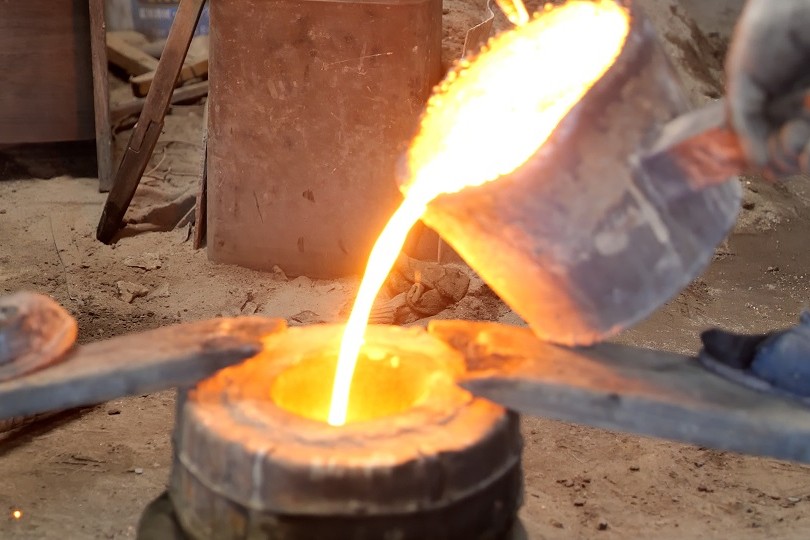 KOGEI
What Is Nanbu Tekki? A Guide to Tetsubin and Iron Teapots
Nanbu tekki from Iwate: how a cast iron kettle (tetsubin) differs from an iron teapot, and how to choose and care for each.
KOGEI
What Is Nanbu Tekki? A Guide to Tetsubin and Iron Teapots
Nanbu tekki from Iwate: how a cast iron kettle (tetsubin) differs from an iron teapot, and how to choose and care for each.
 KOGEI
Yamanaka Lacquerware: The Craft of the Wooden Body
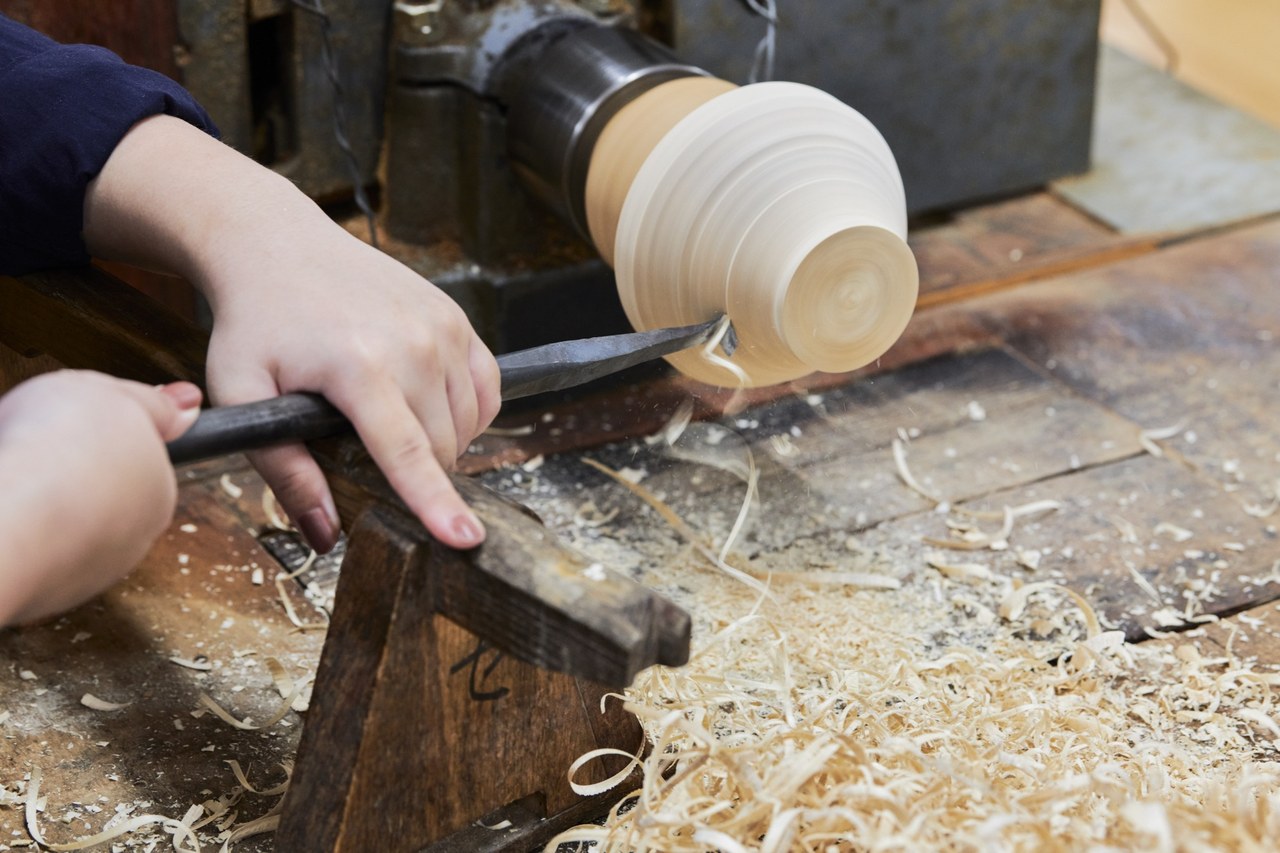
Lacquerware that begins with the turned wooden body beneath the finish, and what the lathe decides about its shape.
KOGEI
Yamanaka Lacquerware: The Craft of the Wooden Body
Lacquerware that begins with the turned wooden body beneath the finish, and what the lathe decides about its shape.
 KOGEI
Edo Kiriko: The Cut Glass of Tokyo's Old Downtown — A Reading of the Patterns
A deep dive into Edo Kiriko cut glass from Tokyo: five patterns (kagome, yarai, shippou, kiku-tsunagi, sakura), three colours, and what each cup carries.
KOGEI
Edo Kiriko: The Cut Glass of Tokyo's Old Downtown — A Reading of the Patterns
A deep dive into Edo Kiriko cut glass from Tokyo: five patterns (kagome, yarai, shippou, kiku-tsunagi, sakura), three colours, and what each cup carries.