
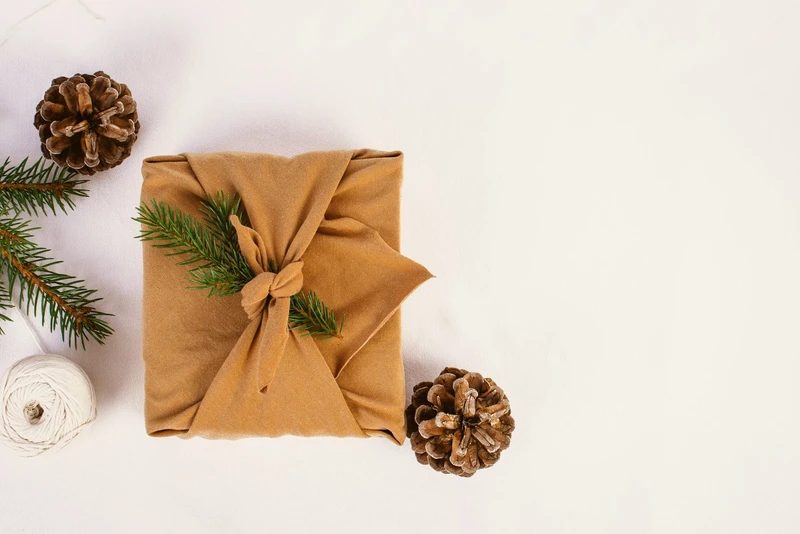
A good gift from Japan often starts with a small habit — the first cup of tea, the evening drink, the moment someone sets the table — and finds one well-made object to keep it company.
Some people on a gift list are easy. Others already own most things, or love Japan in a way that a souvenir would not quite answer. For them, it can help to stop thinking about "a Japanese gift" in general and to think instead about one part of their day.
Someone who drinks tea every afternoon will reach for a cup they like many times a week. Someone who enjoys a glass of sake on the weekend will notice the weight of a good cup in the hand. A gift that fits into a habit like this tends to be used, and an object that is used becomes part of the person's life rather than something kept on a shelf.
This guide is arranged that way: by what the person enjoys. Each section gathers a few handcrafted pieces from regions across Japan, with a little of the background that makes each one more than its function.
On this page
1. For the Tea Drinker
In Japan, everyday green tea is usually poured into a yunomi, a tall cup without a handle. It is held in both hands, and its height keeps the tea warm a little longer. For someone who drinks tea daily, a yunomi is a quiet, practical gift.
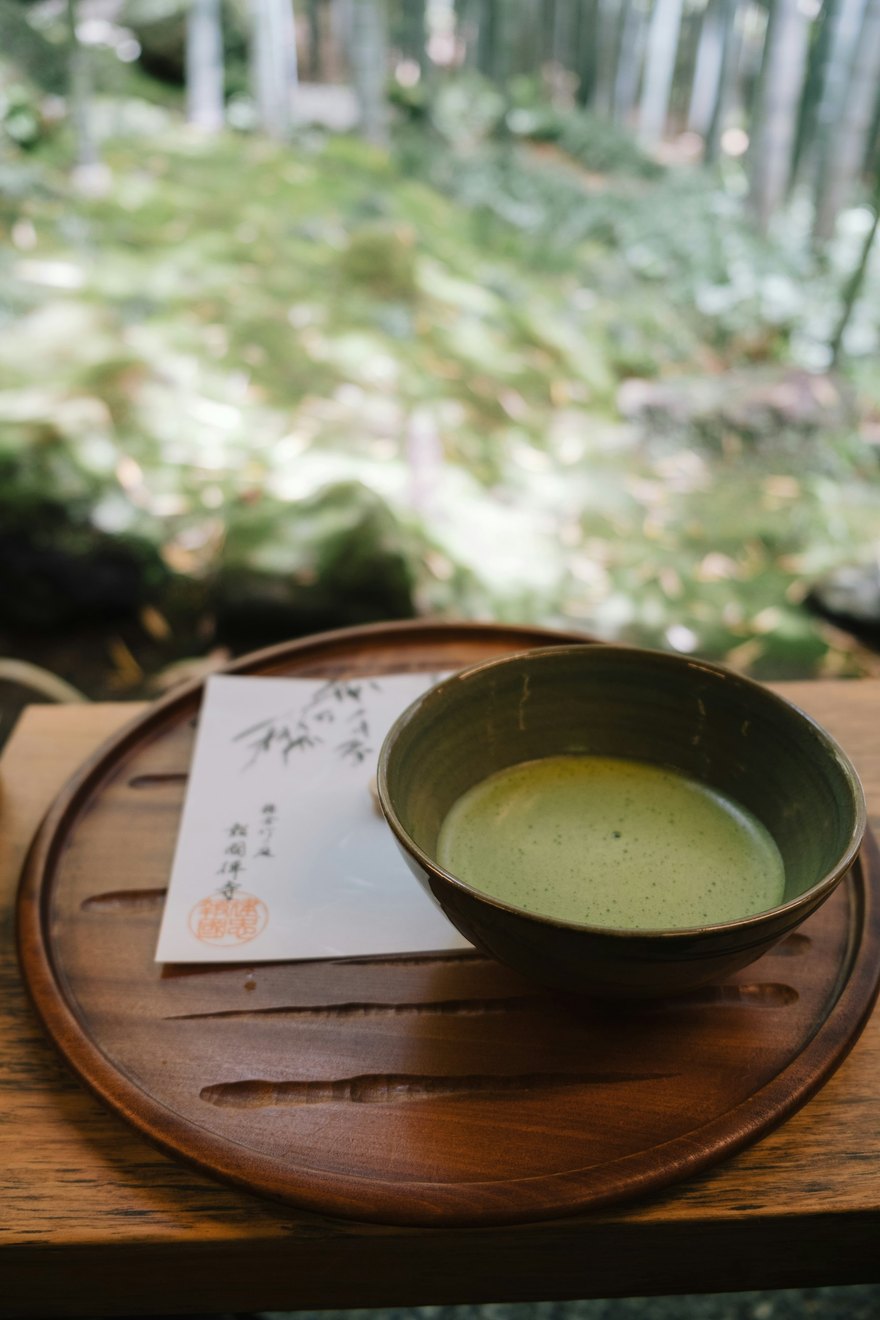
Kutani ware, from Ishikawa Prefecture, is known for its overglaze enamels — color painted onto the glaze and fired again. The craft dates to 1655. In the early nineteenth century, a merchant named Yoshidaya Den-emon built a kiln beside the old Kutani kiln, hoping to revive the old Aote style of deep green, yellow, dark blue, and purple. The kiln closed in 1831, but the "Yoshida-ya style" carries that look forward today.
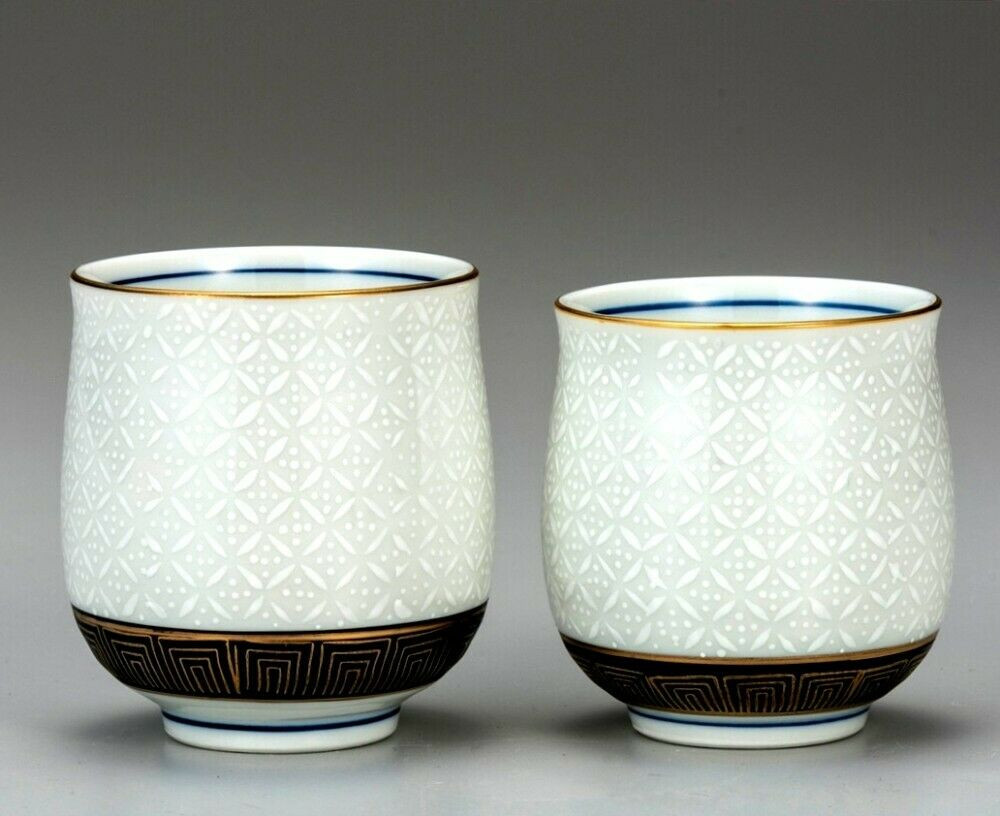
A pair of Kutani yunomi in white, covered in the interlocking-circle shippo pattern, with a gold rim and a dark band at the foot. Two cups make it easy to give to a couple. Kutani yunomi pair, white shippo, US$ 59
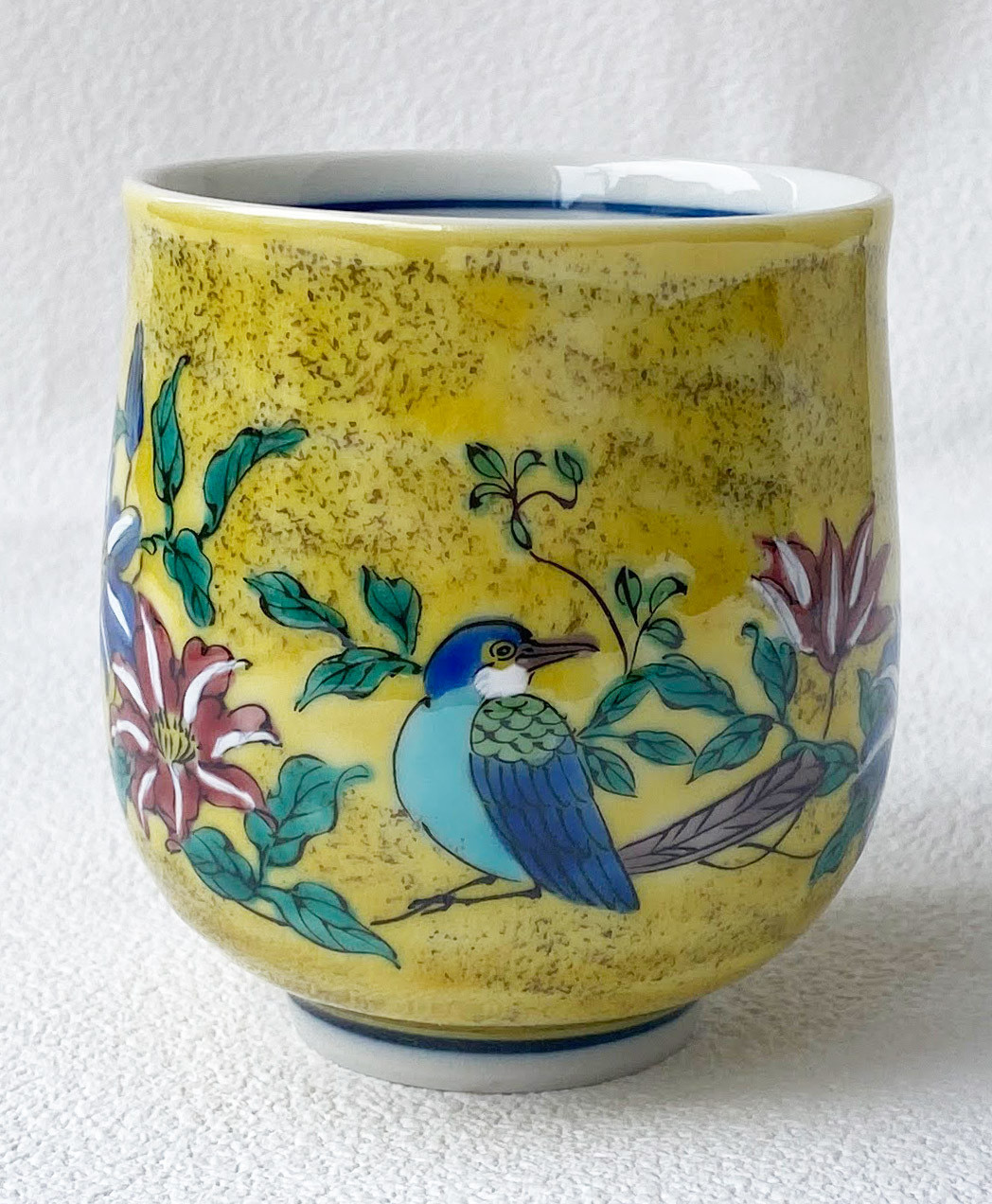
A single Kutani yunomi in the Yoshida-ya style: a kingfisher-blue bird among flowers on a speckled yellow ground. Kutani yunomi, Yoshida-ya style flower and bird, US$ 57
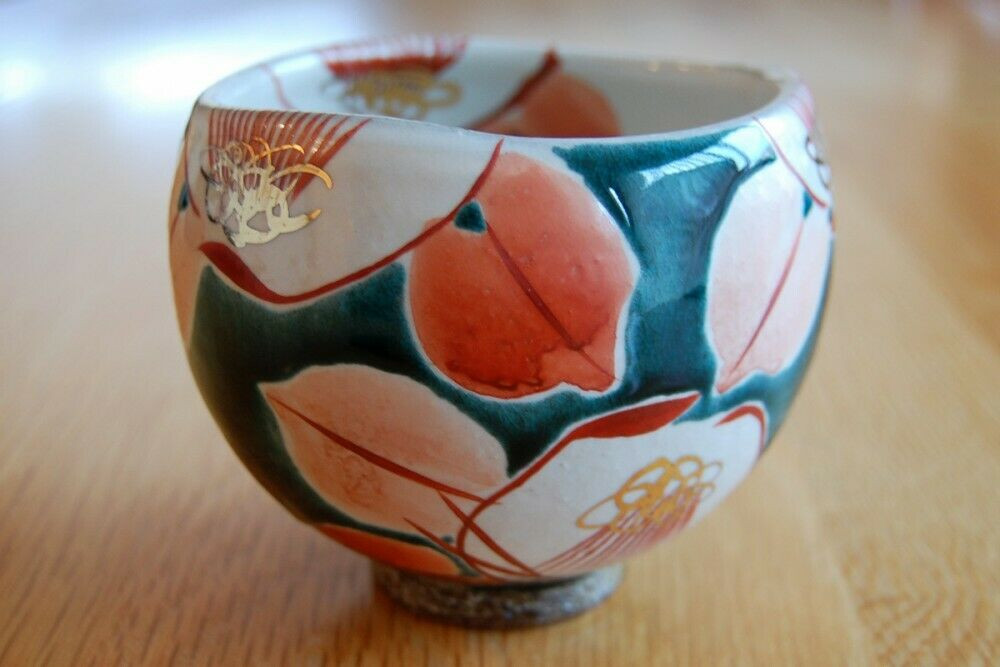
An ippuku bowl from the Kokuzo kiln, painted with large camellias. Ippuku means a short pause, the kind taken over a cup of tea. It holds about 320 ml, a generous size for a slow cup of tea. Kutani ippuku bowl, camellia, US$ 110
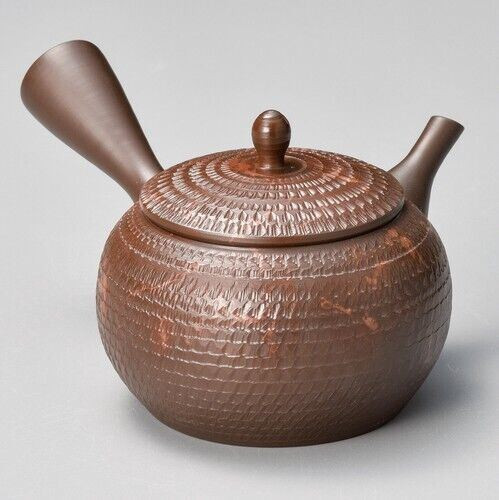
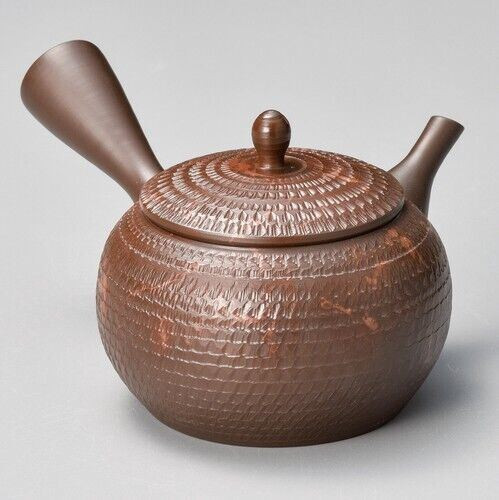
For someone who brews loose-leaf tea, a teapot is a gift they will reach for every time they make a pot. Tokoname, in Aichi Prefecture, has made side-handled kyusu teapots from its iron-rich red clay since the mid-nineteenth century. This one uses mogake, a method used in Tokoname in which seaweed is laid on the clay before firing; as it burns away, it leaves its marks on the surface. The body is textured with fine carved lines, and the kiln adds patches of warm color, so no two pots look the same. At 210 ml, it is sized for two small cups of good sencha. Tokoname kyusu, Gyokko mogake, US$ 150
If the person is new to Japanese tea, our guide to yunomi, kyusu, and matcha bowls covers the basics of each.
2. For Someone Who Enjoys an Evening Drink
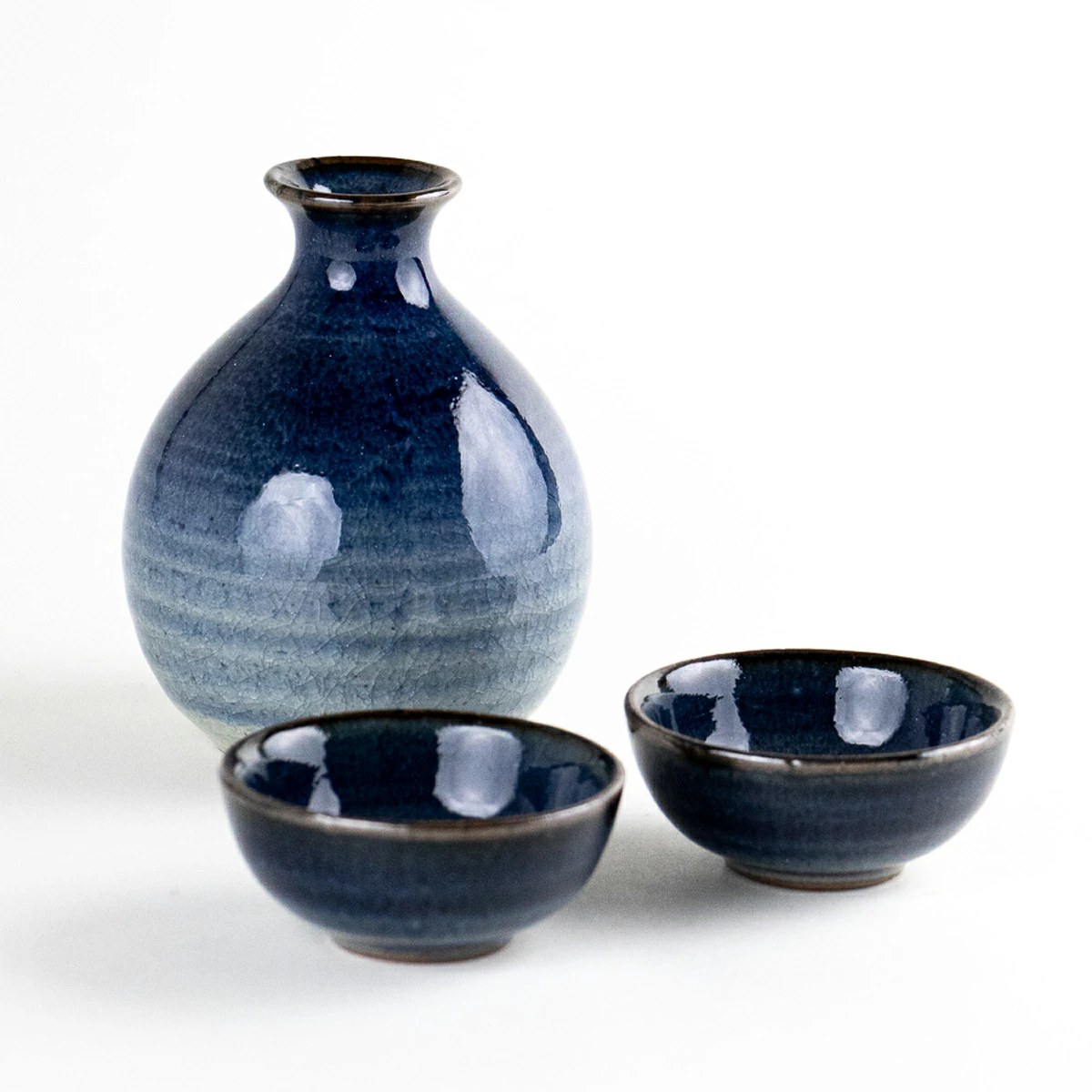
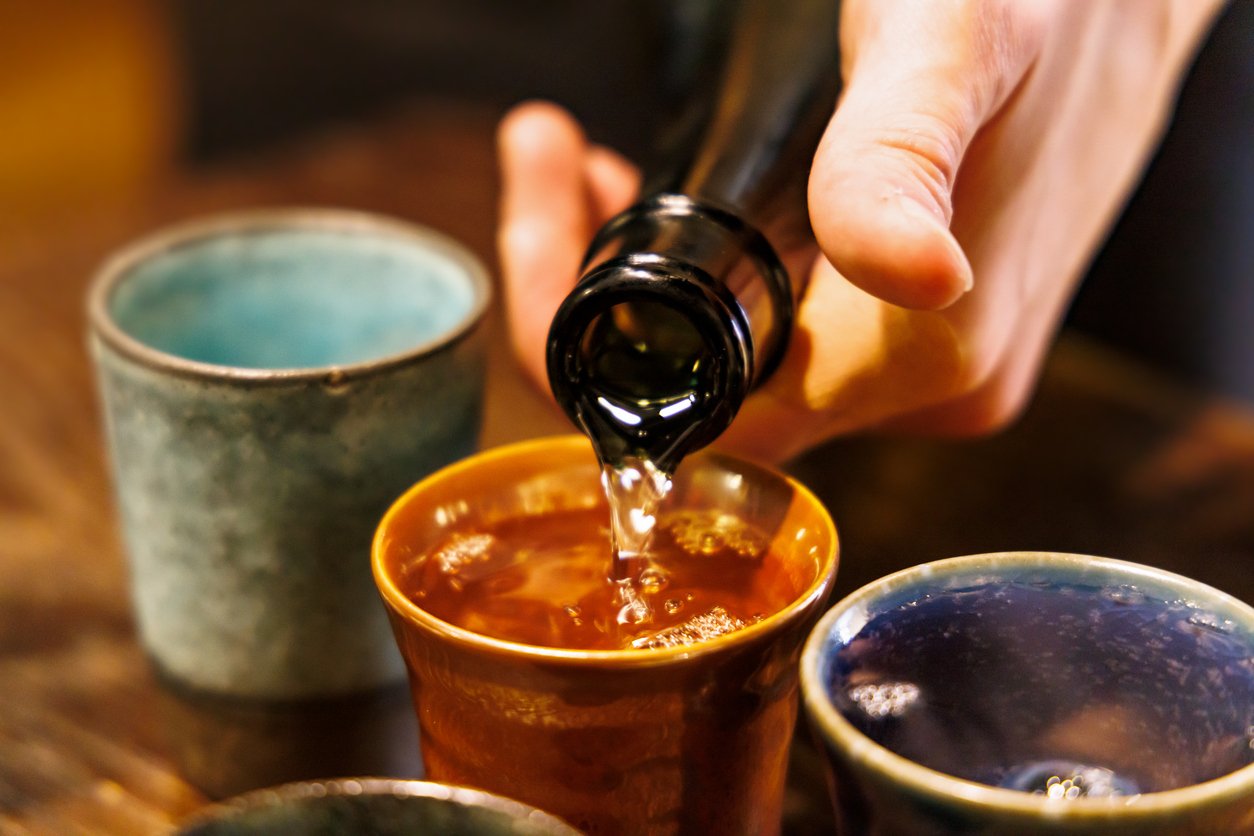
Sake is usually poured from a small bottle called a tokkuri into a cup called a guinomi or ochoko. At a shared table, it is customary to fill each other's cups rather than your own, which is part of why a sake set makes a warm gift: it is meant to be used with company.
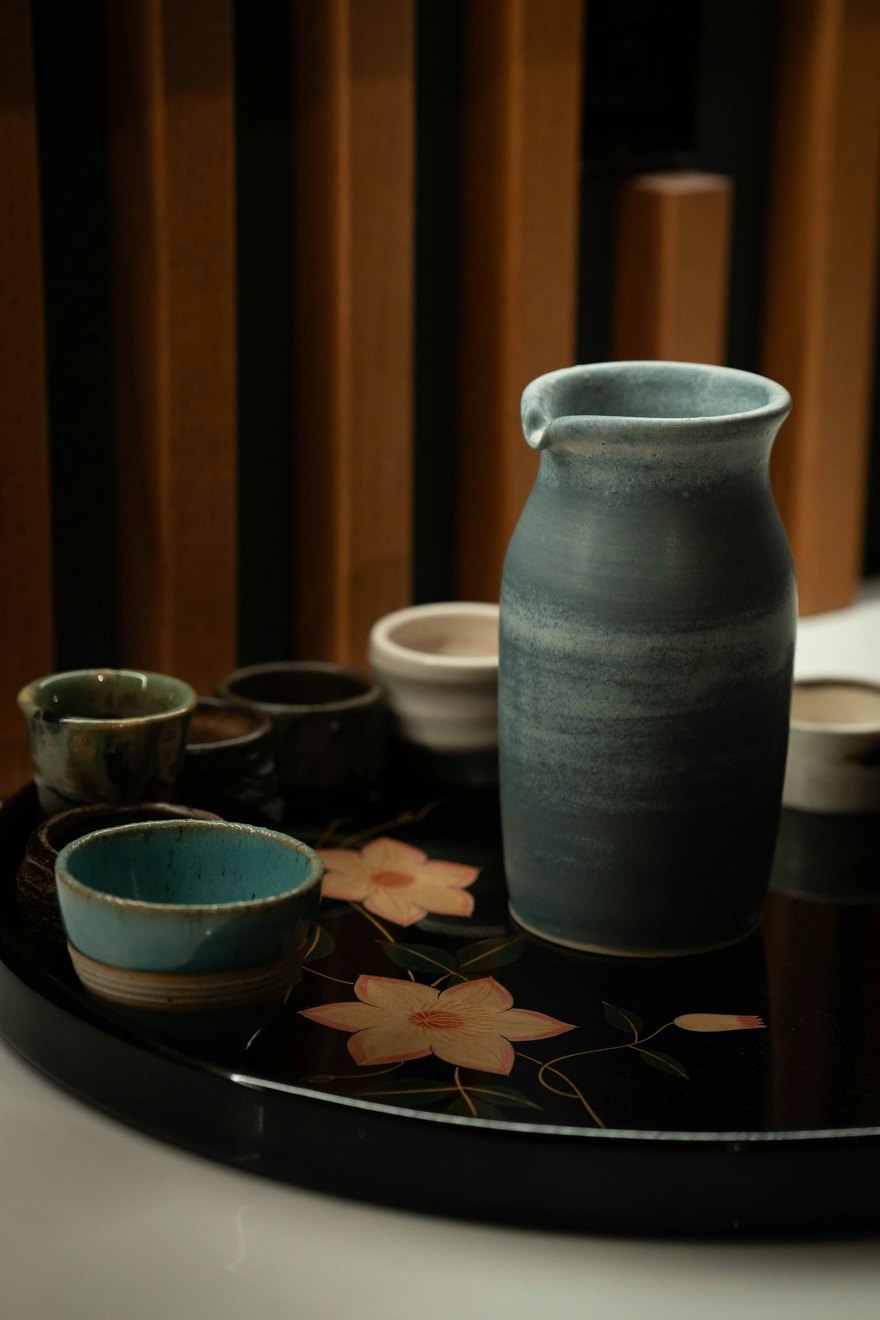
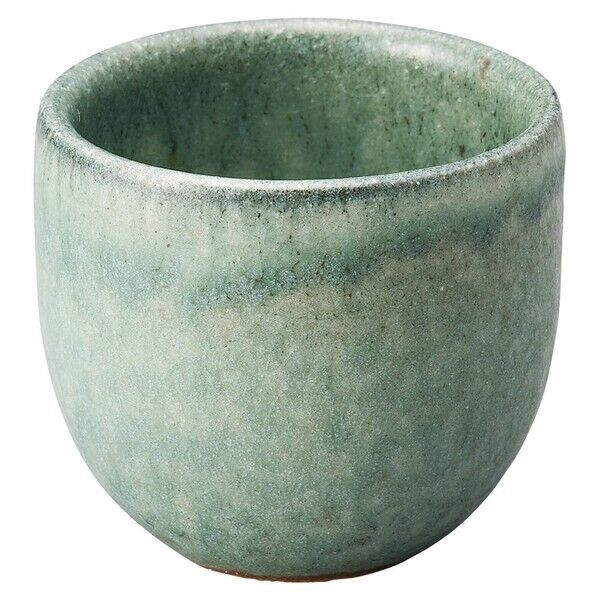
A Shigaraki guinomi in a mottled green celadon glaze. Shigaraki's clay gives each piece its own surface, and this one arrives in a wooden box. Shigaraki guinomi, black celadon, US$ 59
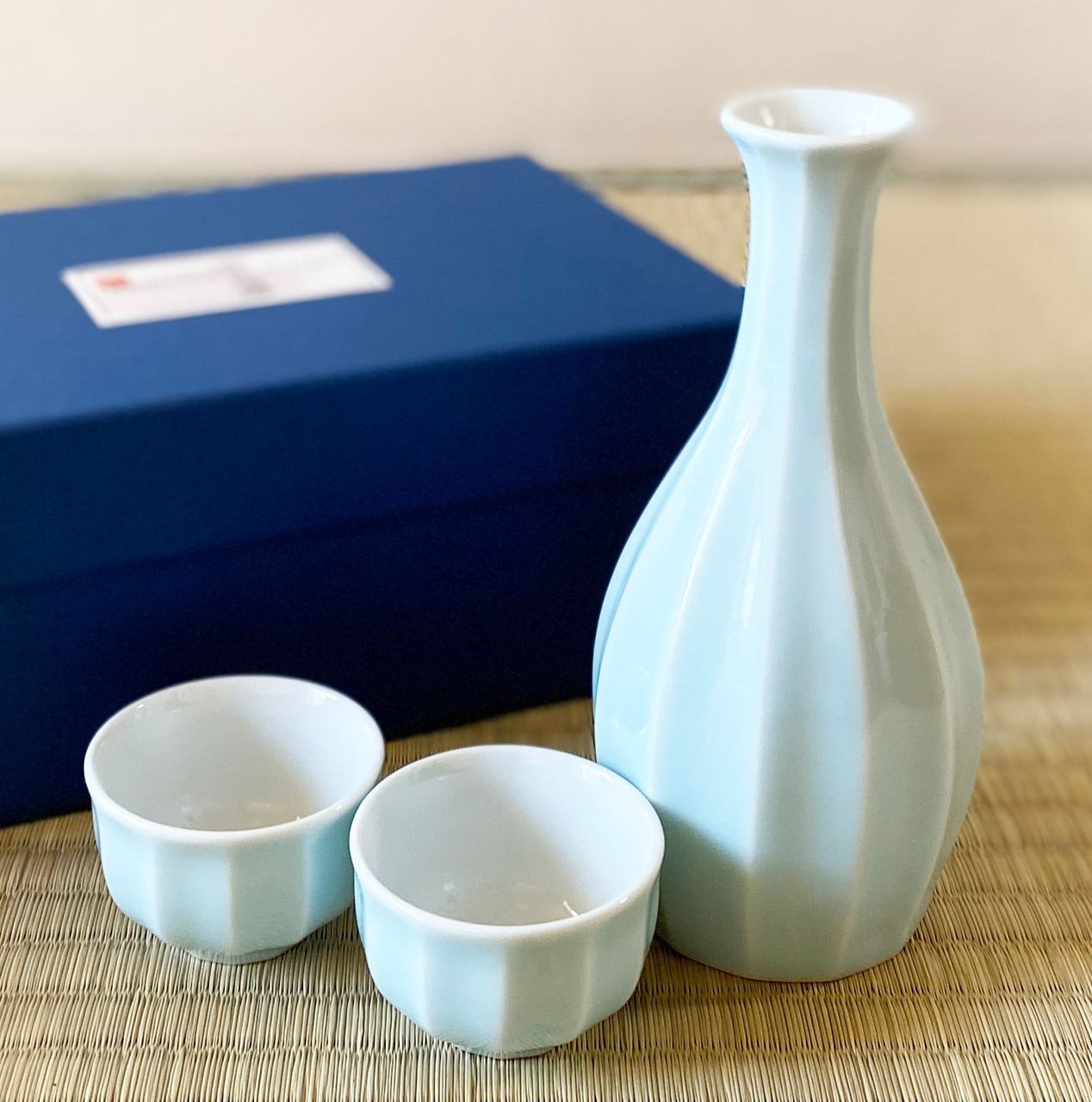
An Arita porcelain set in pale celadon: a faceted tokkuri (about 200 ml) and two cups (about 40 ml each). The pale blue-green and the faceted sides keep the set calm and simple. Arita sake set, celadon chamfered, US$ 79
Our guide to choosing a Japanese sake cup goes further into shapes and materials.
3. For the Cook and the One Who Sets the Table
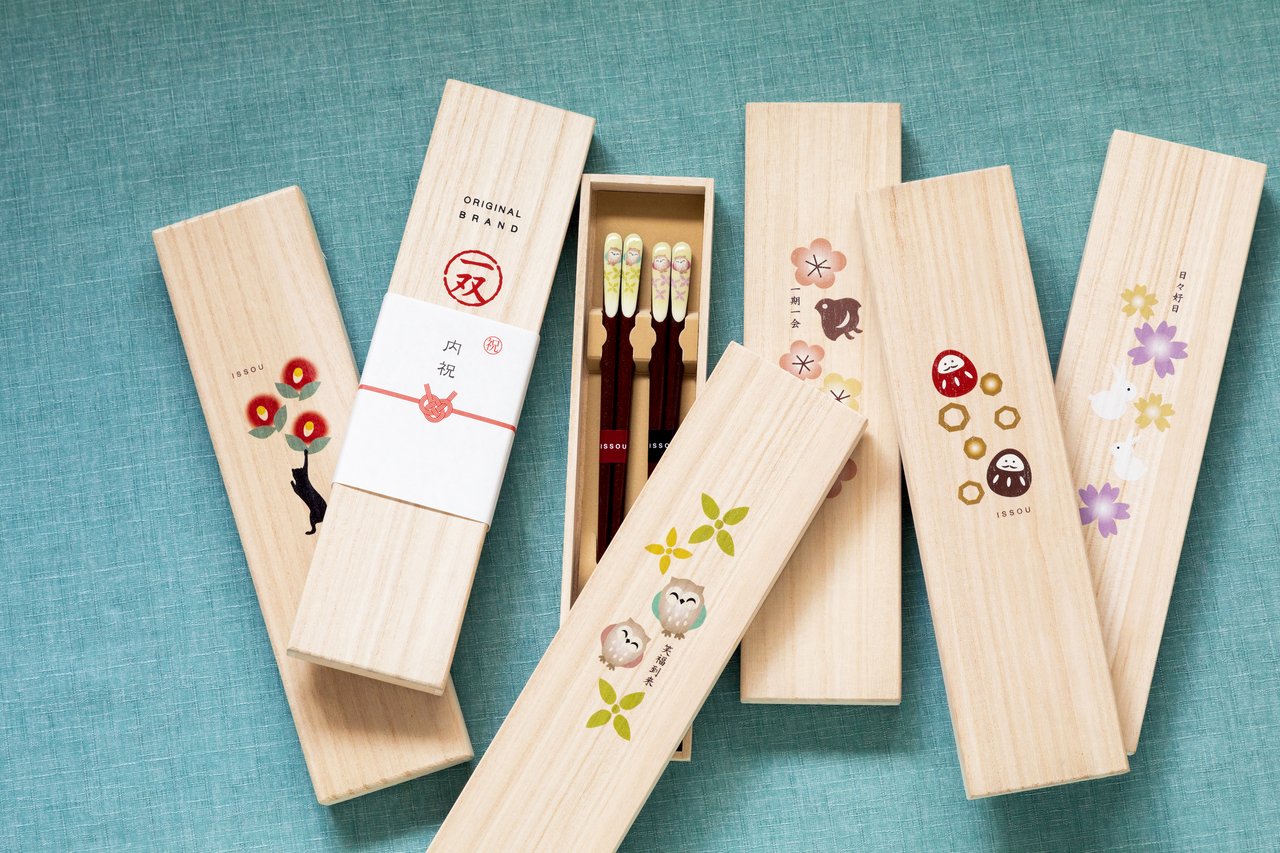
Chopsticks are among the most personal objects at a Japanese table. In many homes, each person has their own pair. A new pair is a small, everyday gift that is still meaningful, especially at the start of a new year.
Wakasa-nuri comes from Obama, in Fukui Prefecture, and has a history of about 400 years. It is built up in many layers of lacquer, often with crushed shell or eggshell set into it, and then polished down until a pattern rises to the surface, a little like light on the seabed. Today the craft is best known for chopsticks. The pieces here combine natural wood or ebony with lacquer and modern coatings, so check the material listed on each page.
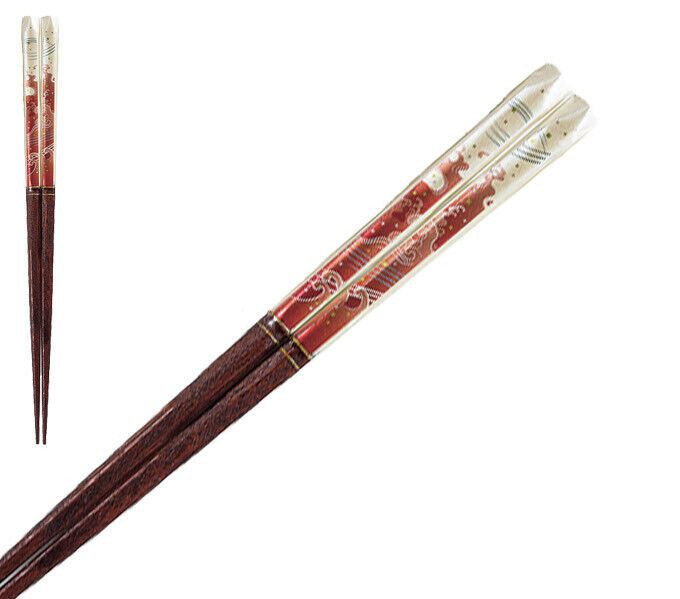
A pair in deep red with a wave pattern, in the shorter S size. Wakasa-nuri chopsticks, Iwainami wave red S, US$ 58
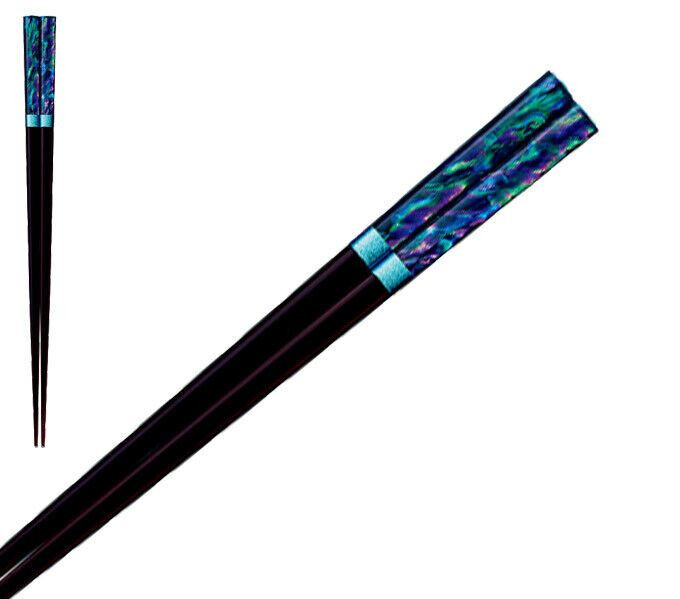
An ebony pair with abalone shell inlay that shifts between blue and green, in the longer L size. Wakasa-nuri chopsticks, mother-of-pearl, dreaming moon black L, US$ 62
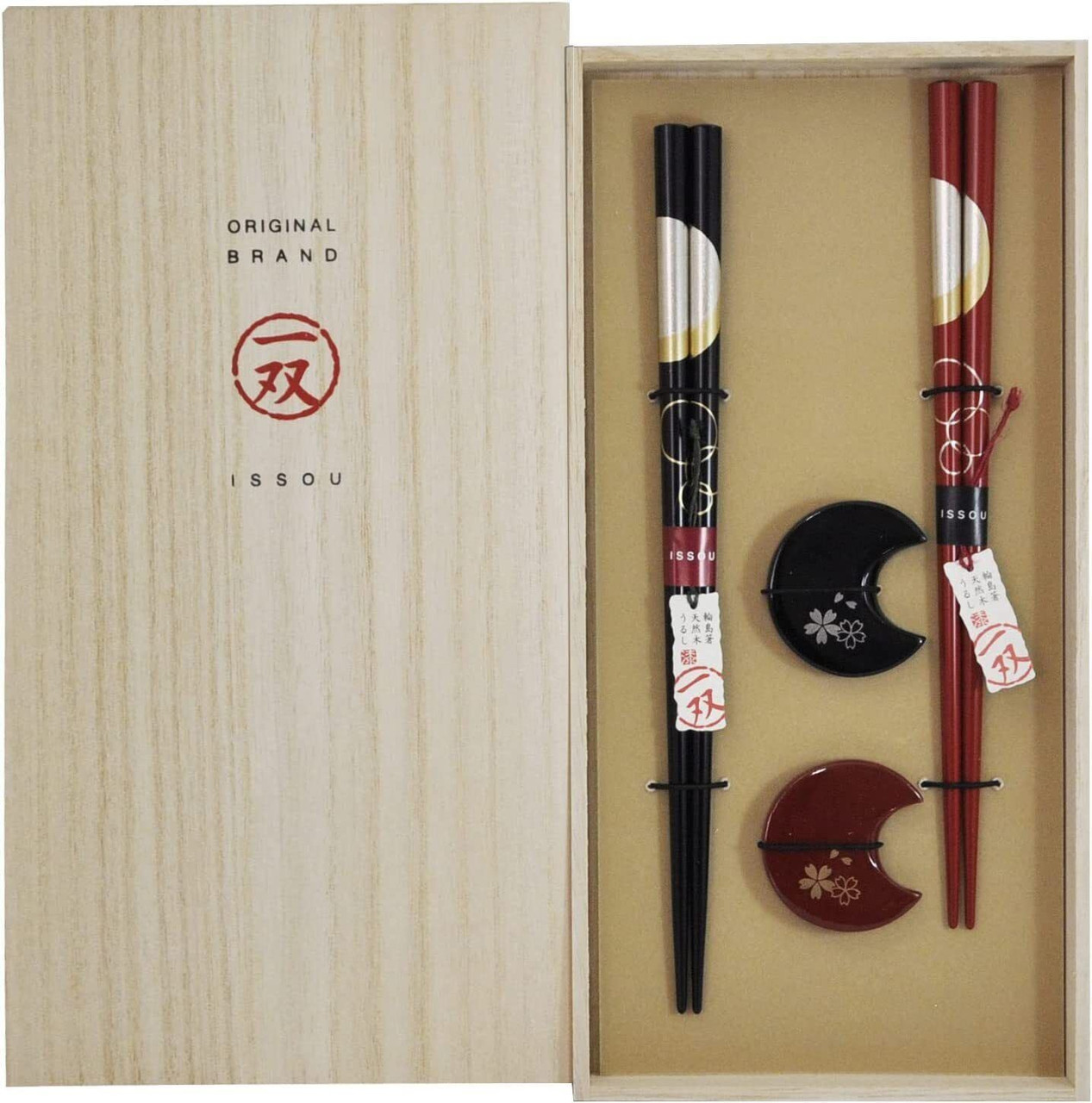
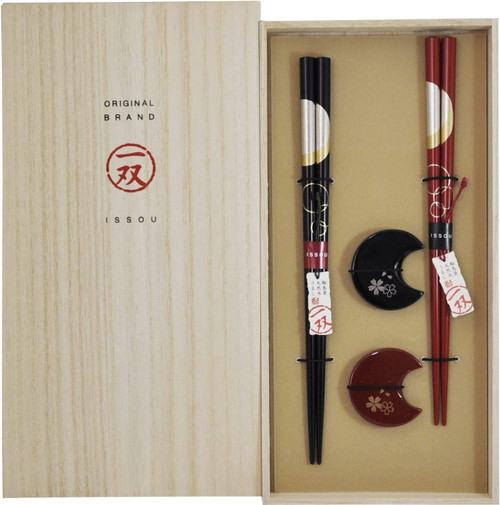
A boxed set of two pairs, black and red, each with a crescent moon, in two lengths (about 22.5 cm and 21.5 cm), with two crescent-shaped rests decorated with cherry blossoms. Wakasa-nuri chopsticks and rests, moon and cherry, US$ 85
A chopstick rest, hashioki, keeps the tips off the table and adds a small seasonal note. Kiyomizu ware, the pottery of Kyoto, is known for this kind of small, careful piece.
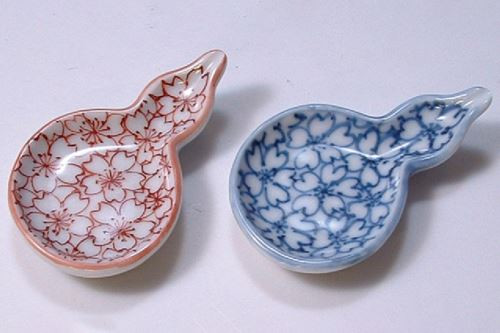
Two gourd-shaped rests, one blue and one red, painted with cherry blossoms. The gourd has long been read as a lucky shape in Japan. Kiyomizu chopstick rests, blue and red gourd, US$ 35
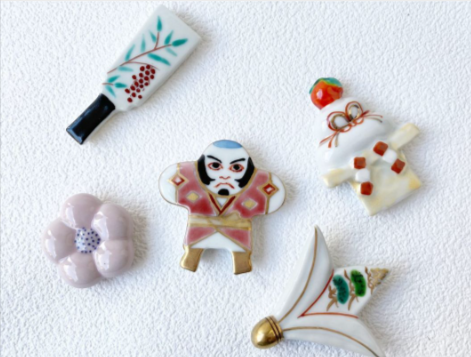
A set of five New Year rests: a battledore and shuttlecock, a footman-shaped kite, a round rice cake, and a plum blossom. Kiyomizu chopstick rests, New Year of Kyoto, set of 5, US$ 89
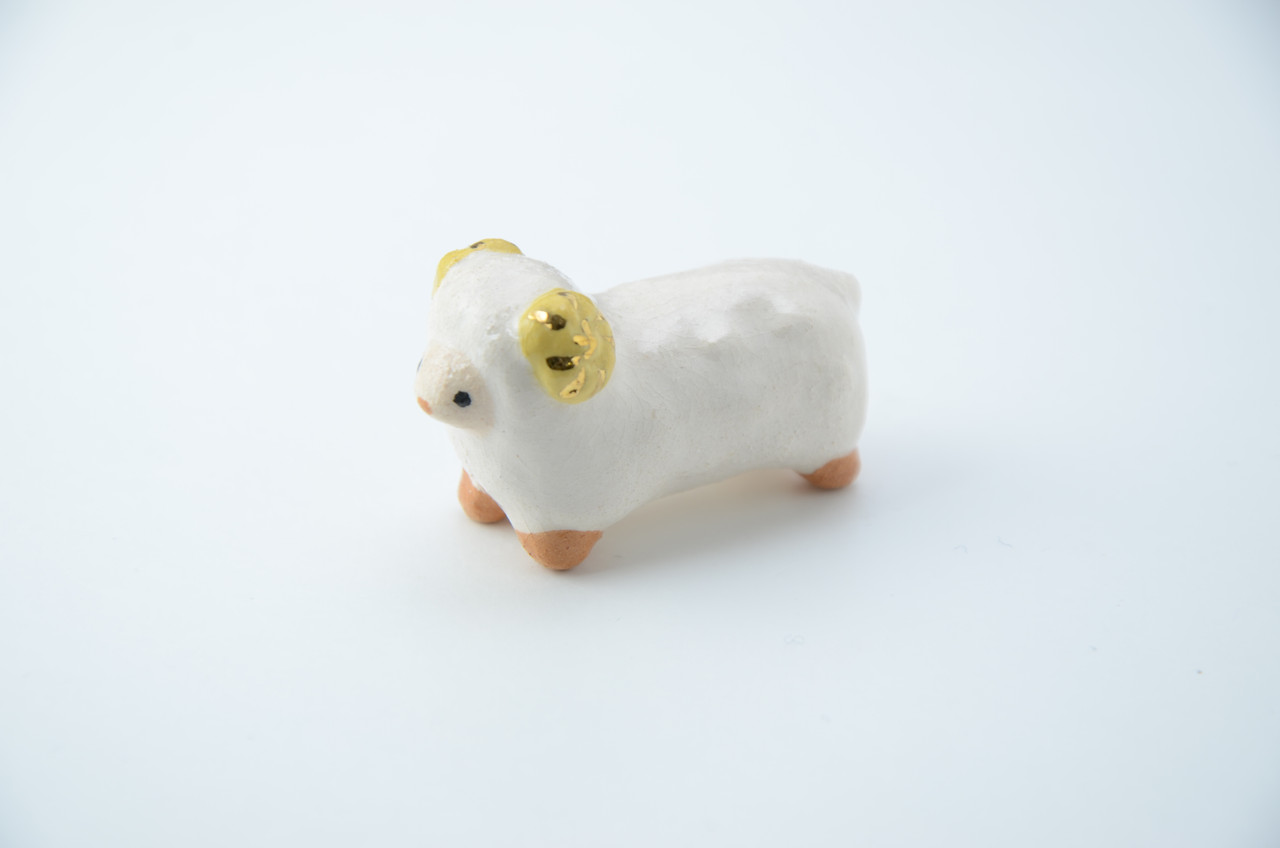
A small sheep in raku ware (listed on its page as a goat, since this zodiac animal is translated both ways). 2027 is the Year of the Sheep in the Japanese zodiac, so this one suits a gift given at the turn of the year. Raku chopstick rest, sheep, US$ 35
For more on what a pair of chopsticks can say as a gift, see our guide to choosing Japanese chopsticks as a gift.
4. For the Cat Lover
The maneki neko, the beckoning cat, is one of Japan's best-known lucky figures. It is commonly said that a raised right paw invites good fortune and money, and a raised left paw invites people and good connections.
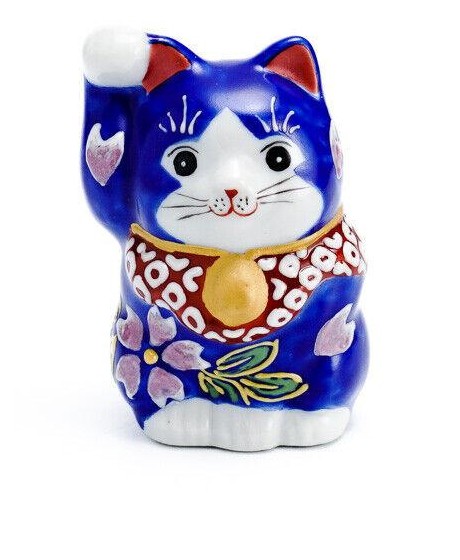
A small Kutani maneki neko, about 7 cm tall, in navy and purple. Its raised floral decoration is made with mori, a Kutani technique of building paint up into relief. Kutani maneki neko mini, navy hana-mori, US$ 110
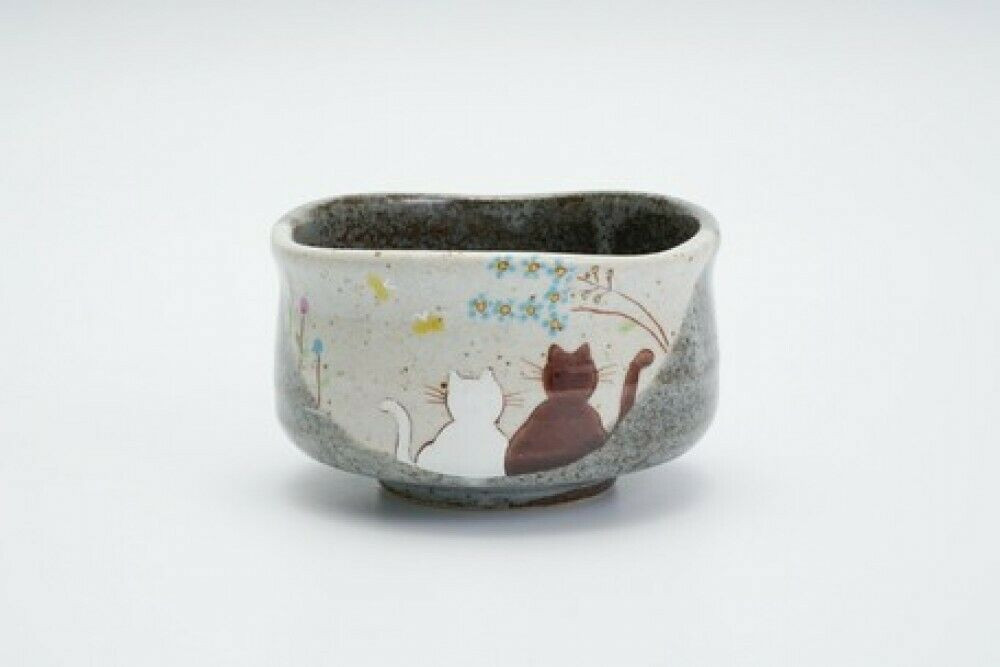
A Kutani matcha bowl painted with cats resting in a patch of sun — hidamari in Japanese. Kutani matcha bowl, hidamari neko, US$ 99
For daily use, Mino ware is a natural choice. The Tono area of Gifu Prefecture, where it is made, is the largest ceramics-producing region in Japan.
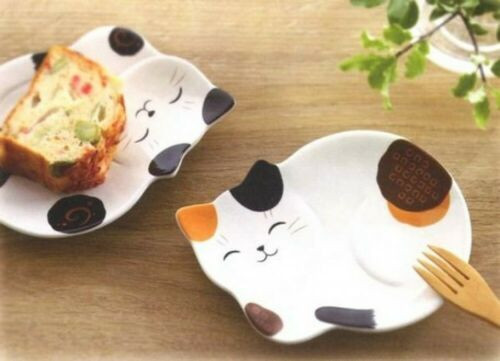
A smiling cat plate, about 16 cm wide, for cake or a small side dish. Mino ware smiling cat plate, US$ 29
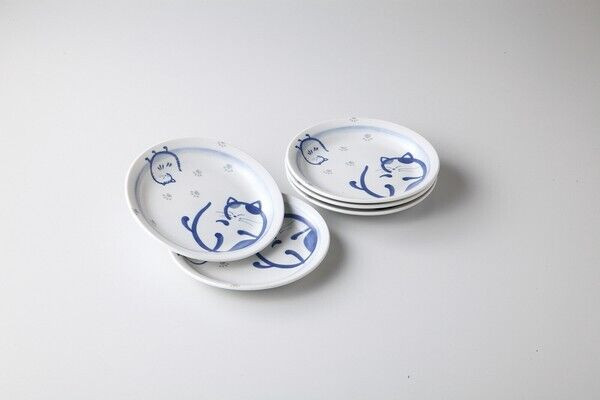
A set of five porcelain plates, each with a rolling cat (marobi neko) in blue, about 16 cm across. Mino ware plates, rolling cat, set of 5, US$ 79
5. For Someone Who Writes
For someone who keeps a journal or still writes letters by hand, a pen they enjoy holding is a gift used almost every day.
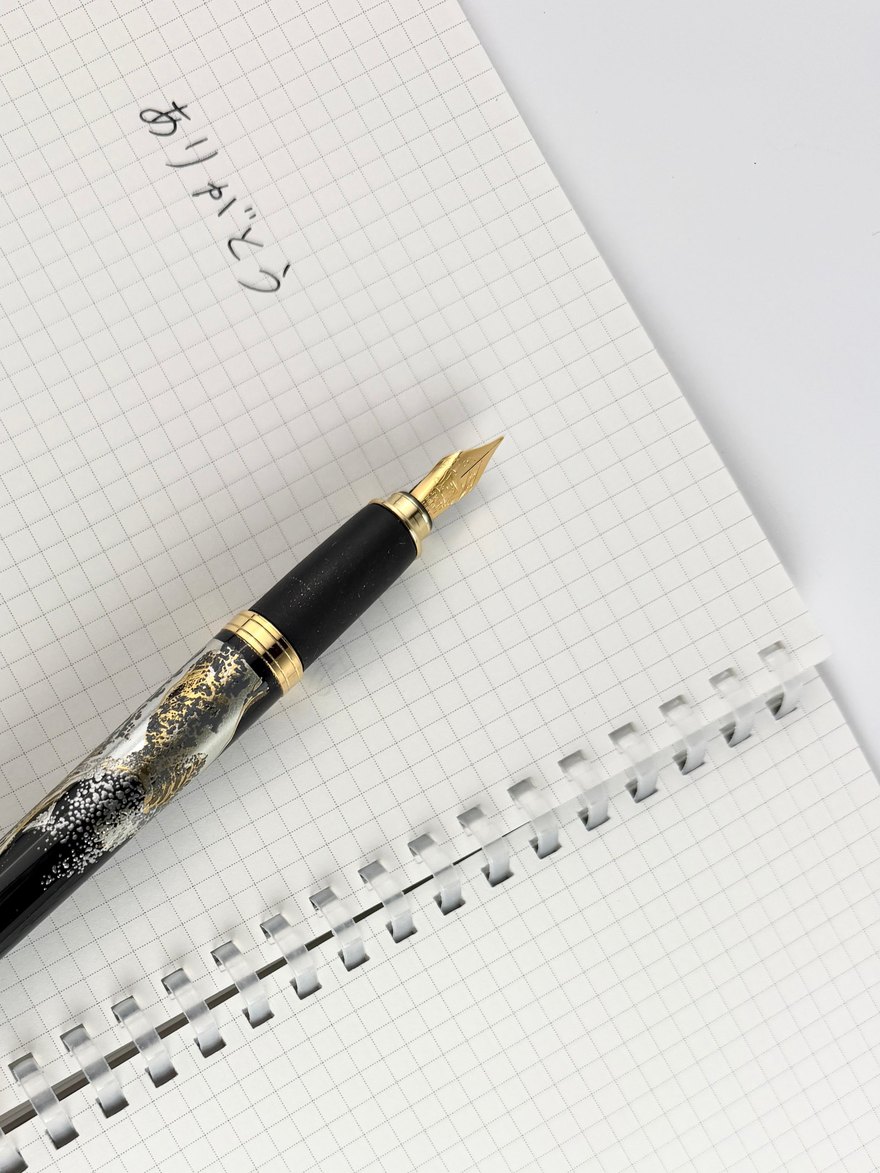
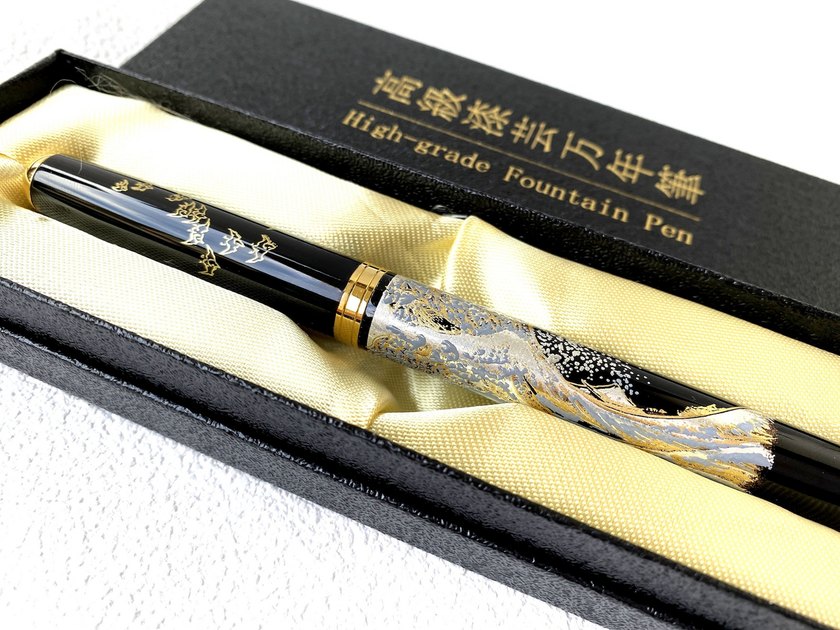
A maki-e fountain pen from the Yamanaka lacquerware tradition: a black body with a wave design by the maki-e artist Manabu Nishimura. Maki-e is a decoration in which a design is laid down in lacquer and finished with fine metal powder. The body is aluminum with a urethane coating, and it takes ink cartridges. Yamanaka fountain pen, wave motif, US$ 98
6. For Someone Who Likes a Quiet Room
Lighting incense is a small way to mark the start or end of a day. Takaoka, in Toyama Prefecture, has been a casting town since 1611 and makes most of Japan's cast copper and bronze ware, including incense burners.
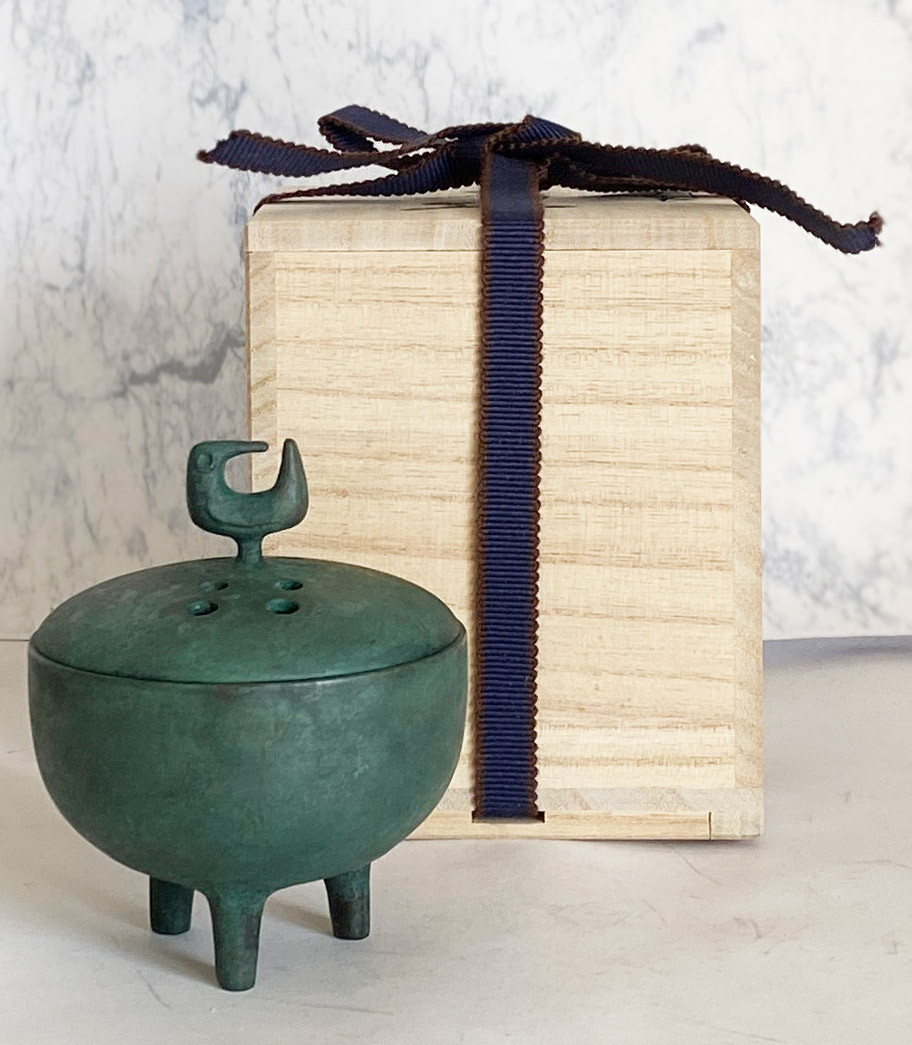
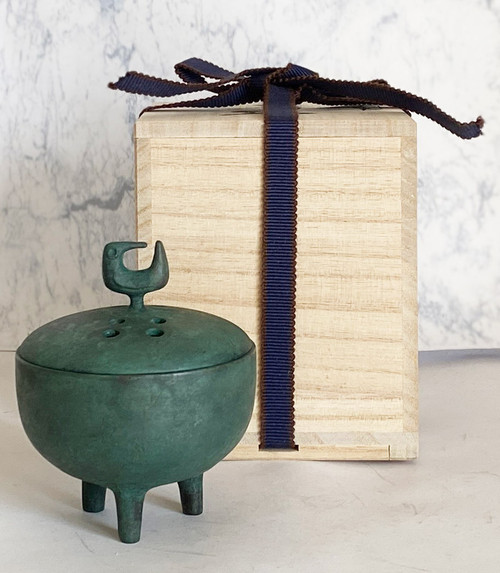
A bronze incense burner called Zuisho, meaning "good omen," with a deep green finish, three legs, and a crescent-shaped knob on the lid. It comes in a paulownia box. Takaoka bronze koro, Zuisho, US$ 320
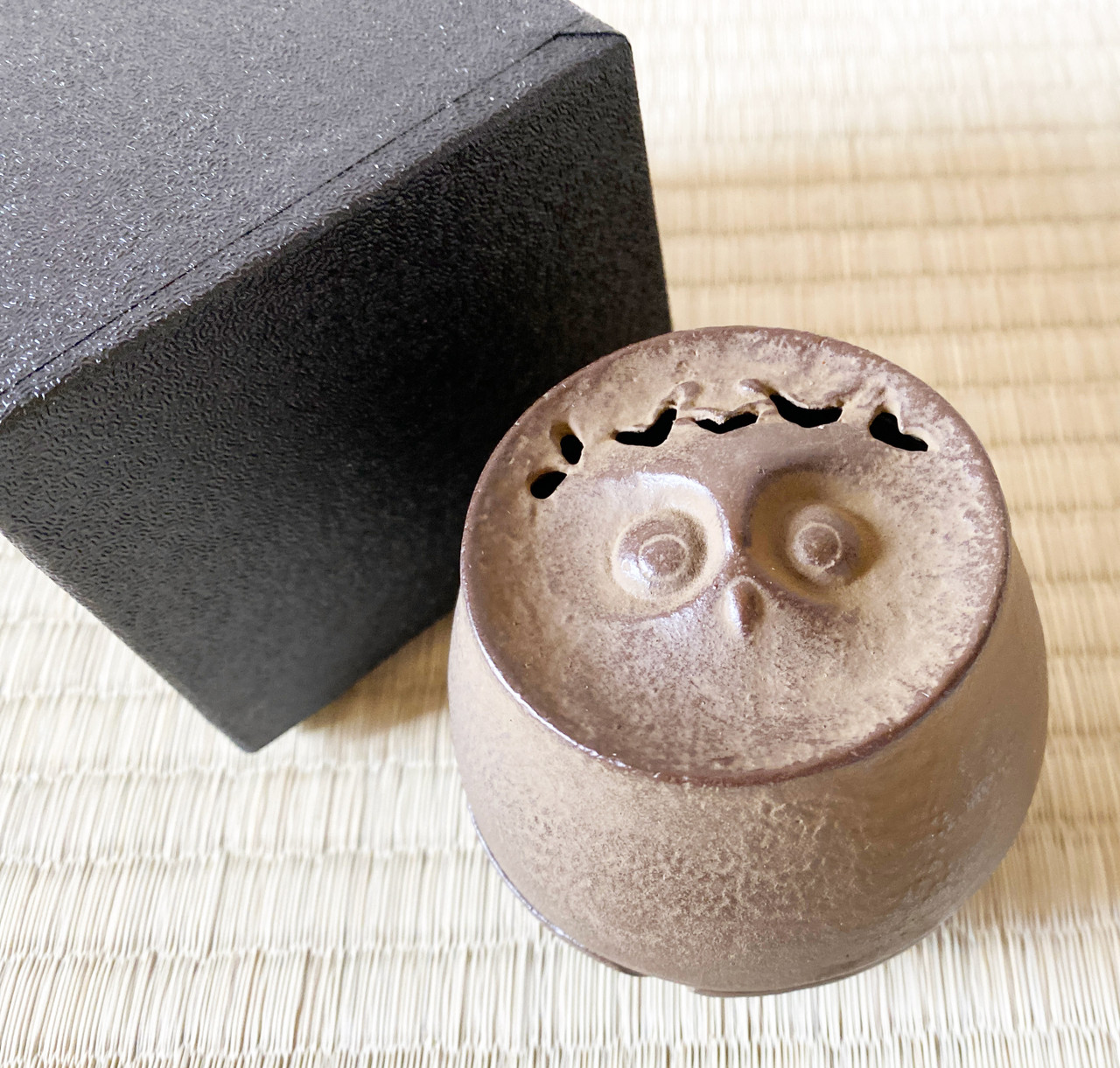
A cast-iron owl. In Japanese, owl (fukurō) can be read as "without hardship," so the owl is a common lucky motif. Takaoka iron koro, owl, US$ 160
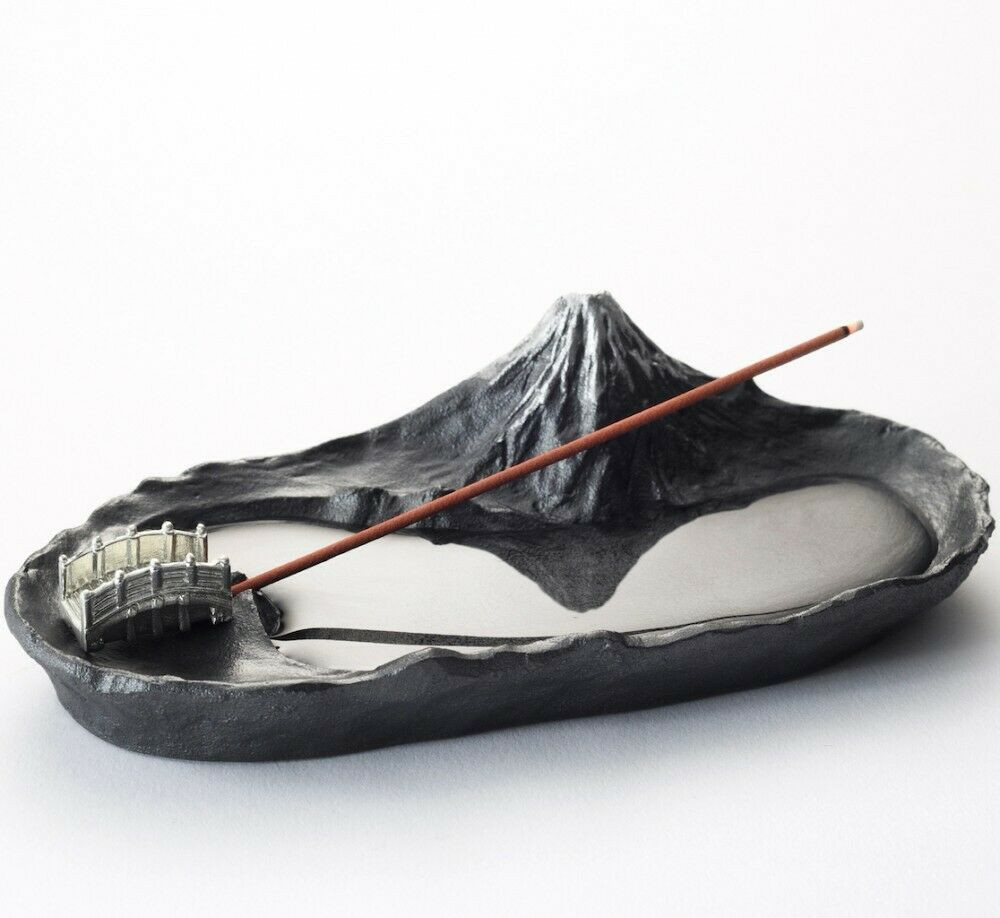
An aluminum incense stand shaped like Mt. Fuji. Pour water into the tray and the mountain appears upside down, reflected on the surface. Takaoka incense stand, reflection of Mt. Fuji, US$ 79
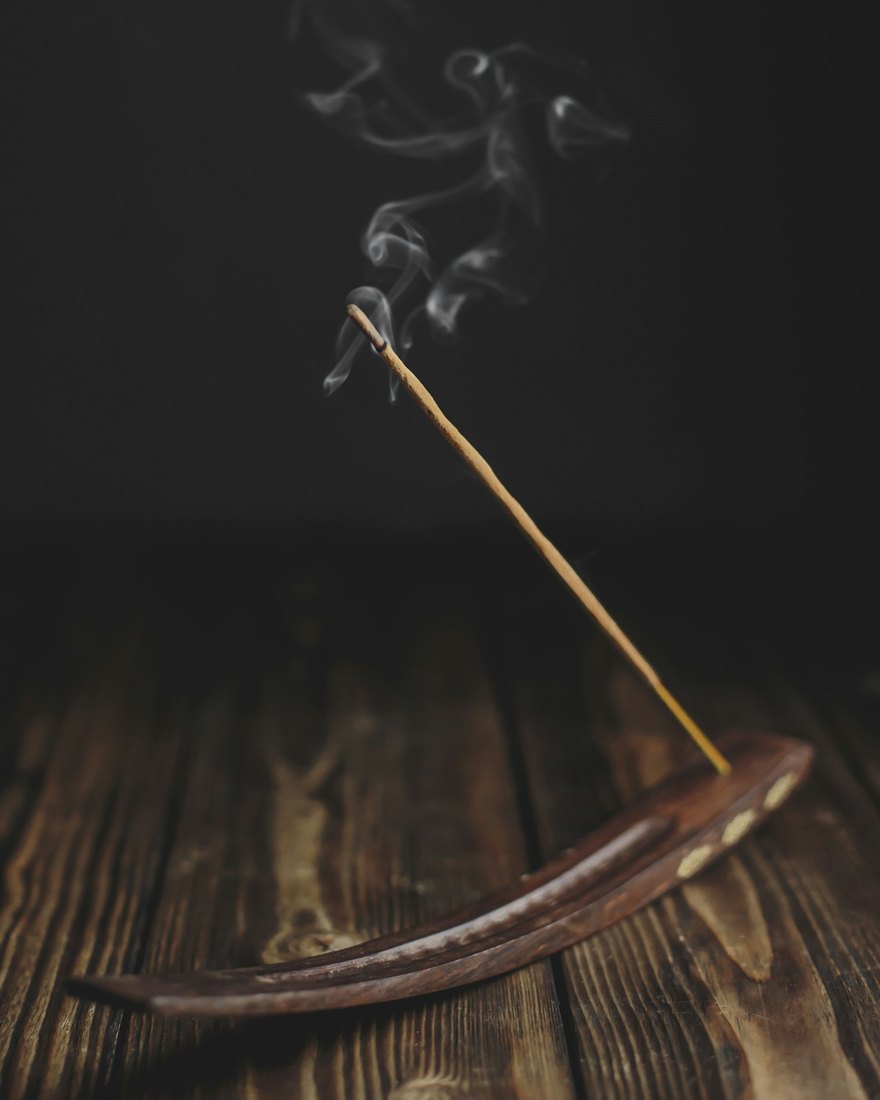
Our guide to choosing a Japanese incense burner explains the shapes and how each is used.
7. Wrapping, a Written Card, and Timing
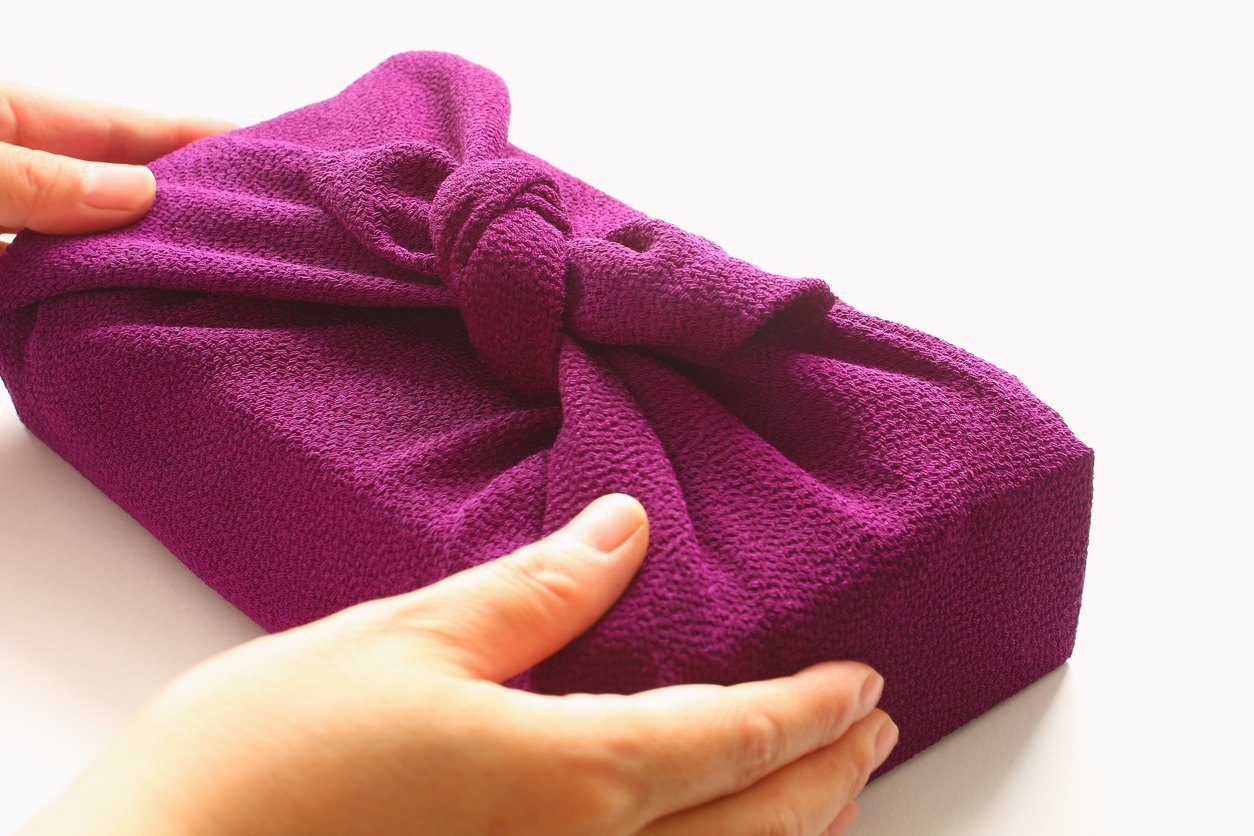
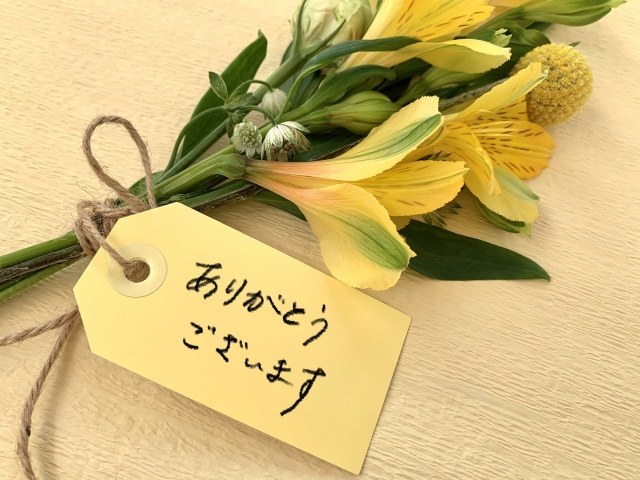
A gift from Japan can arrive ready to give. When gift wrapping is selected at checkout, we wrap the order in paper, in the Japanese style, at no extra cost, and furoshiki cloth wrapping is available for an additional fee. A short handwritten card, in English or Japanese, can be added by leaving the message in the order notes. Gifts can be sent directly to the recipient's address, and no price tag is included in the parcel.
In-stock pieces usually leave Osaka within about a week of payment, and made-to-order pieces take longer. Delivery time depends on the shipping method and on customs. If a gift needs to arrive by a certain date, please check our Shopping Guide and order with some time to spare.
8. FAQ
Q: What do you get someone who loves Japan?
Something they can use in their own routine tends to mean the most: a tea cup, a pair of chopsticks, a sake set, or an incense burner. Handcrafted pieces from a specific region also carry a story the person can enjoy learning about.
Q: What is a traditional Japanese gift?
Tableware, tea utensils, chopsticks, and lucky figures such as the maneki neko are all long-standing gifts in Japan. Many are chosen for their motifs, such as cranes, plum blossoms, or gourds, which carry wishes for long life and good fortune.
Q: Is there anything to avoid when giving a Japanese gift?
Sets of four are often avoided, because the word for four (shi) sounds like the word for death. Our guide to choosing a meaningful Japanese gift covers this and other customs.
Q: Can I send a gift directly to the recipient?
Yes. You can enter a different shipping address at checkout. The parcel does not include a price tag, though the customs form will show a value.
Q: How long does shipping from Japan take?
It depends on the method. DHL and FedEx usually take about 3 to 5 business days, and EMS about 4 to 8 business days, from Osaka. ePacket Light takes about 2 to 4 weeks. From late November through early January, please allow a few extra days. Made-to-order pieces need extra time before they ship. Please see our Shopping Guide for current details.
— from Osaka, Team Manekineko-Ai
PIECES IN THIS ARTICLE
Three pieces from this guide
CONTINUE READING
MORE IN RECIPES →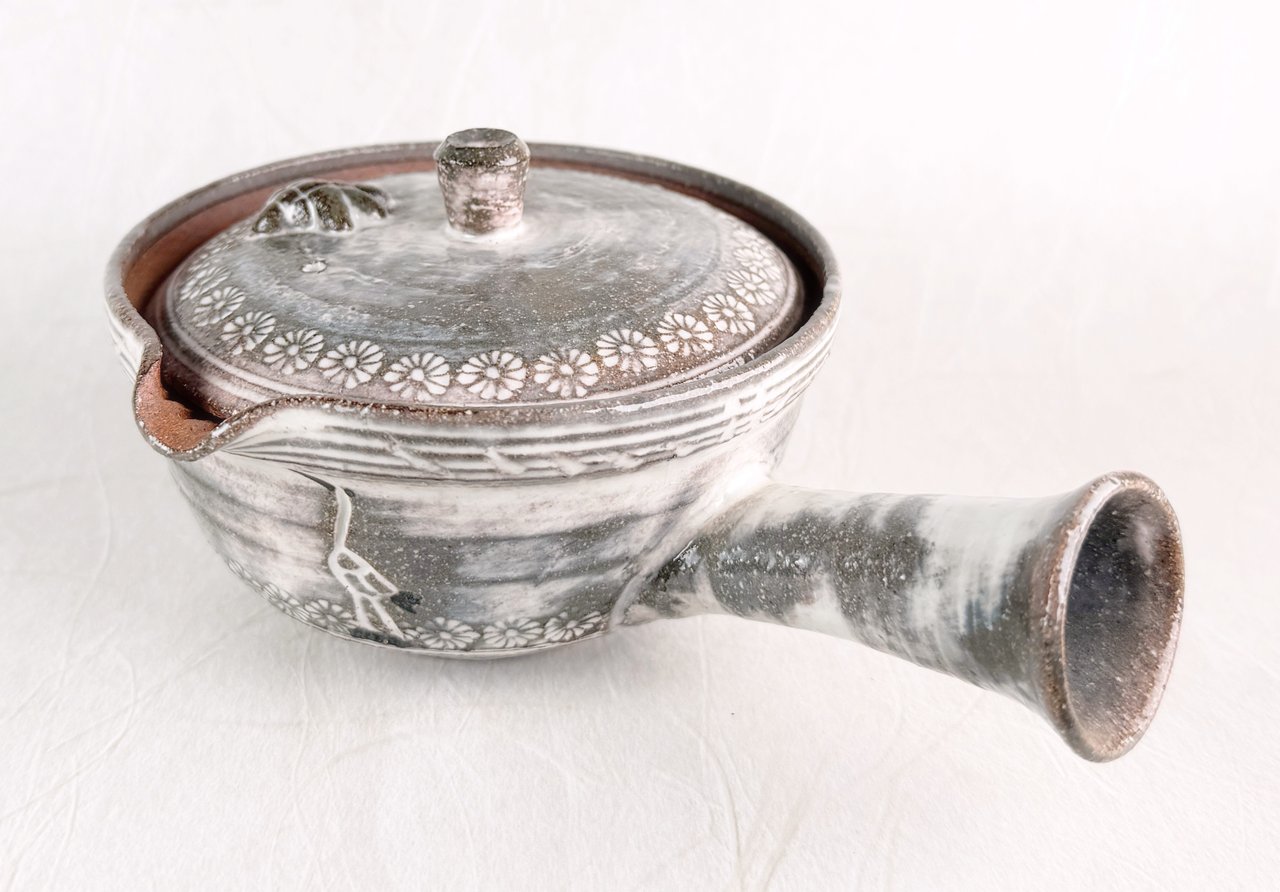 RECIPES & TABLE SETTING
Japanese Tea Gifts: How to Choose Yunomi, Kyusu, and Matcha Bowls
How to choose a teacup, a teapot, or a matcha bowl as a gift, and what each one is for.
 RECIPES & TABLE SETTING
How to Choose Japanese Chopsticks as a Gift: Meanings, Sizes, and Pairs
What a pair of chopsticks means as a gift, how to choose a length, and when to give a pair.
 RECIPES & TABLE SETTING
How to Choose a Japanese Sake Cup: A Guide to Shapes, Materials, and Giving One Well
Shapes and materials of Japanese sake cups, and how to choose one as a gift.