
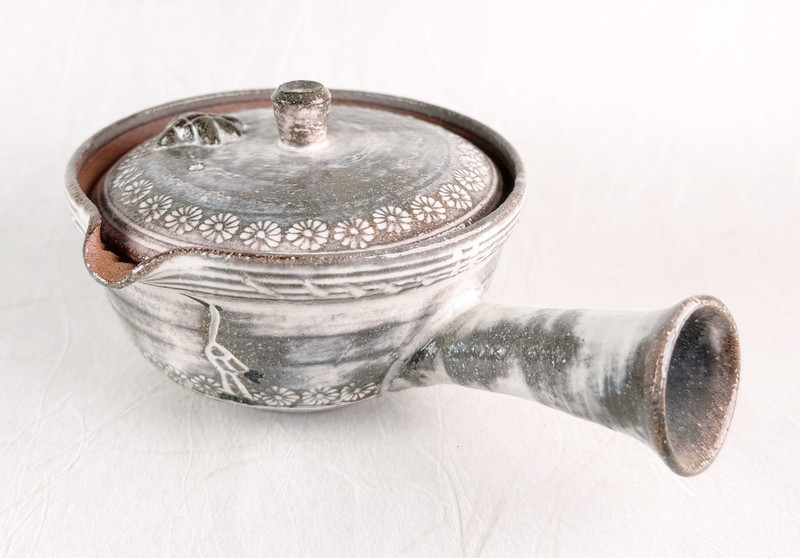
Match the object to the way the person already drinks tea, and the gift cannot miss.
There is a quiet advantage to giving a tea lover a vessel rather than tea itself. Tea is consumed and gone, and taste in tea is personal in a way that is easy to get wrong. A good cup, on the other hand, is used almost every day, suits whatever the recipient already drinks, and stays in their hands for years. If someone you care about loves tea, the most reliable gift is not the leaf — it is the thing they drink it from.
The difficulty is that Japanese teaware comes with its own vocabulary — yunomi, kumidashi, kyusu, chawan — and it is not obvious from the outside which of these your tea lover would actually use. This guide sorts that out. It is organized around a simple idea: match the object to the way the person already drinks tea, and the gift cannot miss.
On this page
1. First, Picture How They Drink Tea
Before looking at any object, picture the person's tea habit. Most tea lovers fall somewhere among these four, and each points to a different gift.
The everyday sipper drinks green tea, or any loose-leaf tea, at their desk or with meals, most days. For them, the gift is a cup — a yunomi — or a pair of them.
The brewer owns loose-leaf tea and cares how it is steeped. They may be making do with a Western teapot or an infuser basket. For them, the gift is a small Japanese teapot — a kyusu — which is built specifically for green tea and changes how it tastes.
The matcha maker whisks matcha at home, or has been saying they want to start. For them, the gift is a matcha bowl — a chawan — or the small set of tools around it.
The one who has everything already owns good teaware. For them, the gift is a piece with a story: a hand-painted cup from a named kiln, a pair in a wooden box, something from a pottery town they have not met yet. Our Kutani and Kyo-Kiyomizu collections are good places to wander for exactly this kind of piece.
If you can place your person in one of these four, the rest of this guide is simply detail.
2. The Teacup: Yunomi and Kumidashi
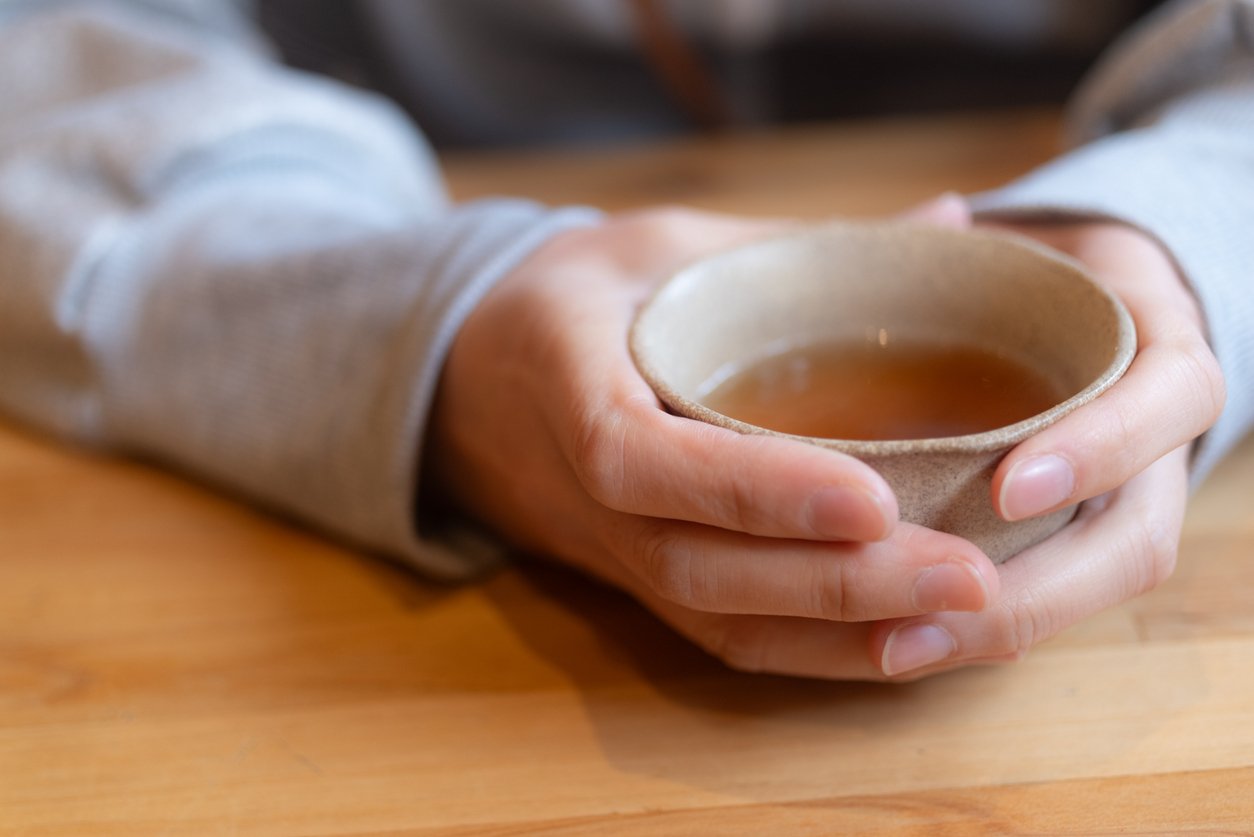
The Japanese teacup has no handle. Warmth against the palm is part of drinking tea, and the cup is sized so that this is comfortable — if it is too hot to hold, the tea is too hot to drink. Within that idea there are two main shapes, and the difference is worth knowing because it changes who the gift suits.
A yunomi is the tall, cylindrical, everyday cup — the one you see at home tables and sushi counters across Japan. It holds a generous amount, keeps its warmth well, and is entirely unceremonious. This is the shape for the everyday sipper: bancha in the afternoon, sencha with breakfast, hojicha in the evening. A yunomi is personal in the way a favorite mug is personal; many Japanese households have a specific cup for each family member.
A kumidashi is shorter and wider, with an open rim. It is the shape used for serving guests — the open profile releases aroma and shows the color of the tea, and it suits fine sencha or gyokuro served in smaller, more attentive quantities. Kumidashi are what a visitor is handed in a formal room. As a gift, a set of kumidashi suits someone who entertains, or who treats good tea as an occasion rather than a habit.
Two practical notes for gift-buyers. First, pairs are a classic gift form in Japan — a matched or deliberately contrasting pair of cups (sometimes called a meoto pair, for couples) turns a household object into a small ceremony of giving. Second, many finer cups come in a wooden or presentation box, which does half of the gift-wrapping for you and signals, correctly, that the object was made with care.
3. The Teapot: Kyusu
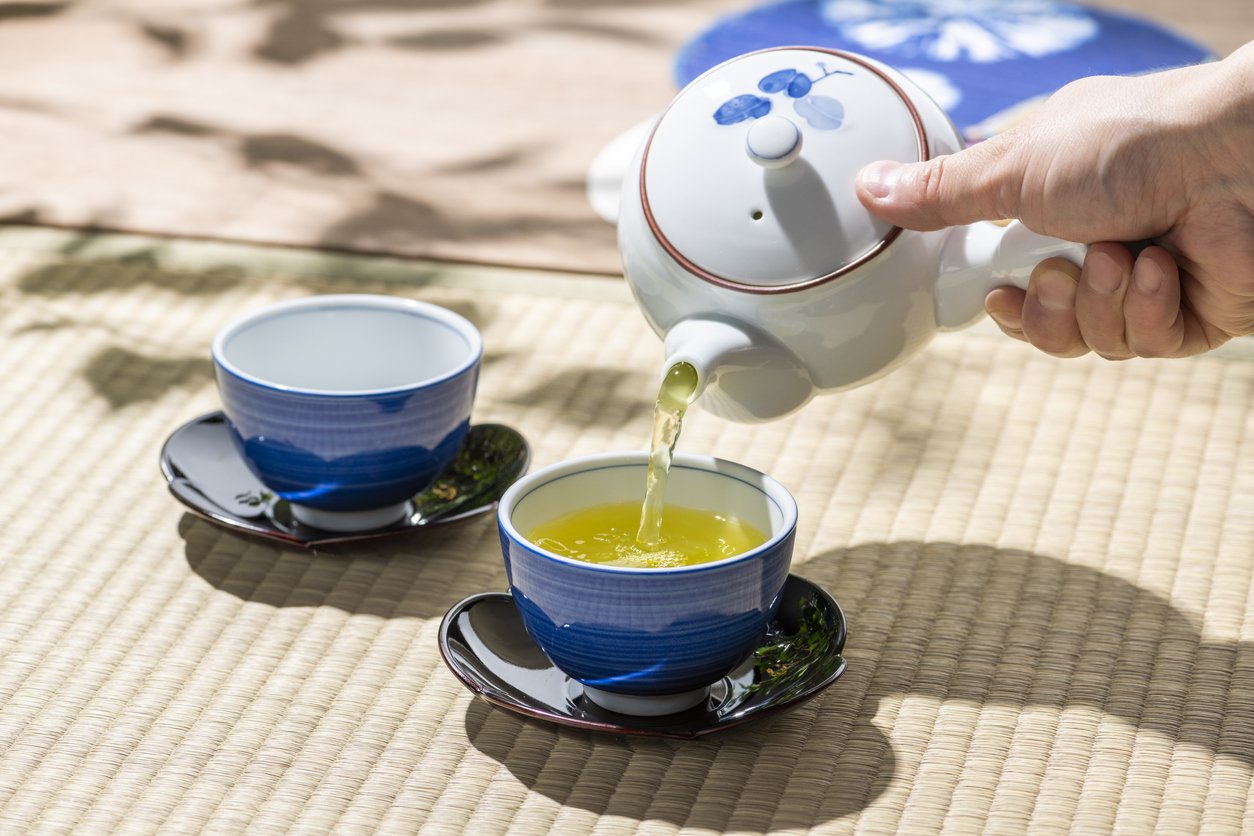
A kyusu is a small Japanese teapot, and the first thing to say about it is that its size is not a limitation — it is the point. Japanese green tea is brewed briefly and poured out completely, then brewed again; a small pot means each steeping is fresh and controlled. If your tea lover has been steeping sencha in a large Western pot, a kyusu is the single most tea-changing object you can give them.
The most common form is the yokode kyusu, with its distinctive handle set at a right angle to the spout. Held in one hand, thumb on the lid, it pours with a control that feels surprising the first time. There are also back-handled pots (ushirode, familiar to Western hands) and top-handled ones (uwade) for larger servings — the side handle is the classic, but a back handle can be the kinder choice for someone left-handed, since most yokode pots are made for right-handed pouring.
The material matters more than it does in most vessels. The famous kyusu clay comes from Tokoname, one of Japan's oldest pottery towns, and it is traditionally left unglazed on the inside. The iron-rich, unglazed clay is traditionally believed to soften the astringency of green tea, creating a smoother, rounder cup, and with steady use the pot gradually seasons — regular brewers often keep one pot to one kind of tea for exactly this reason. A pot that participates in the tea, and improves with years of use, makes an unusually good gift: it says this is for the long term.
One care note worth passing on with the gift: because the porous clay absorbs subtle flavors over time, an unglazed pot is simply rinsed with hot water and left to dry — no soap, ever. Like fine cast iron, a Tokoname kyusu ages gracefully with every brew, and detergent is the one thing you do not want it to remember.
For size, something in the range of 250–450 ml suits most households. Smaller pots are for concentrated, attentive brewing; larger ones for family tea.
4. The Matcha Corner: Chawan and the Tools Around It
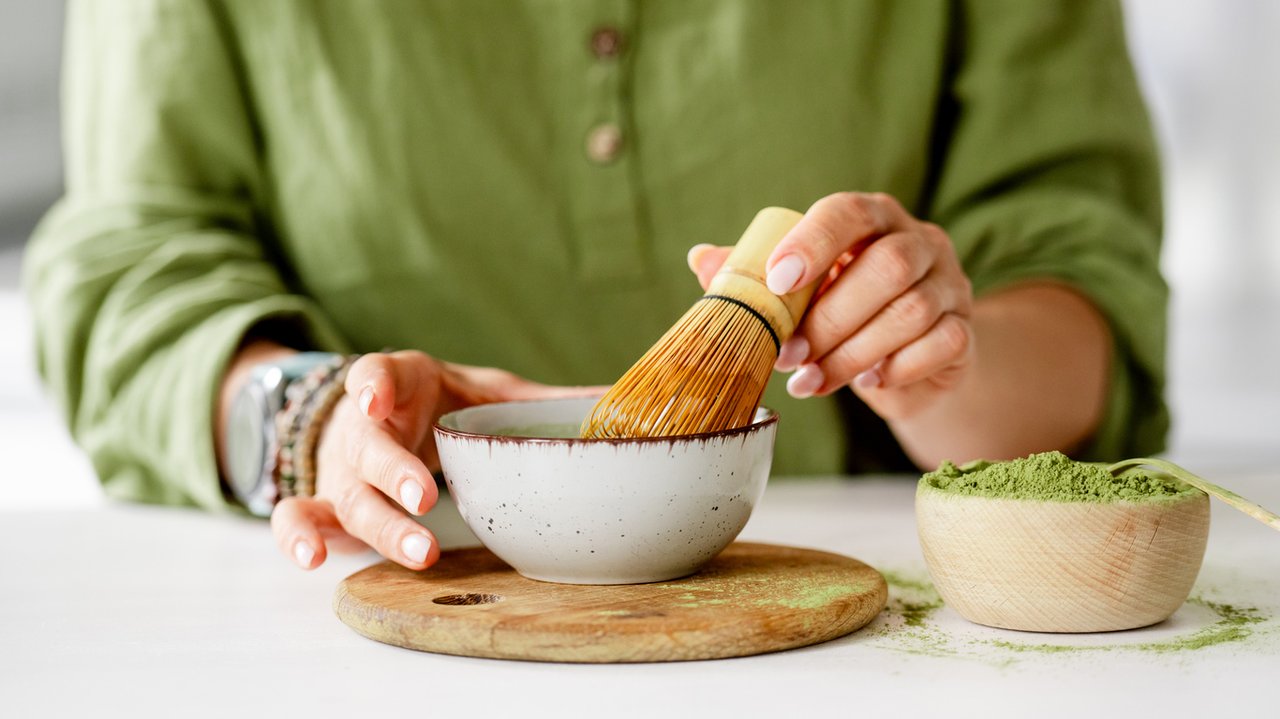
Matcha has traveled far beyond the tea room, and many people now whisk a bowl at home most mornings. The equipment for this is famously minimal — which is good news for a gift-giver, because it means a single well-chosen piece is never wrong.
The heart of it is the chawan, the wide bowl matcha is whisked and drunk from. The width is functional: it gives the whisk room to move and build foam, which is why a mug never quite works. But the chawan is also the one piece of teaware you hold in both hands and look into, which is why it has been the most contemplated object in Japanese ceramics for four centuries. As a gift, it spans an unusual range — there are honest, sturdy production bowls at friendly prices, and hand-painted or hand-glazed bowls that become the recipient's single most personal possession.
Around the bowl sit the bamboo tools: the chasen (whisk — the one genuinely essential tool; a standard 80–100 prong whisk suits beginners), the chashaku (the slender bamboo scoop), and, if you want to complete the picture, a small whisk stand that keeps the chasen's shape between uses. For someone just starting, bowl plus whisk is the complete kit. For someone established, a beautiful bowl is the upgrade they will not buy themselves.
5. Choosing Well: A Few Honest Rules
Match the object to the habit, not to your image of Japan. The most beautiful matcha bowl is the wrong gift for someone who only drinks sencha. Section 1 is the whole method: cup for the sipper, pot for the brewer, bowl for the whisker.
One good piece beats a large set. Japanese tea culture itself leans this way — vessels are chosen individually, and a table of deliberately unmatched pieces is the norm, not a compromise. A single fine cup is a complete gift.
Price reflects the making, quite honestly. A production yunomi from a skilled kiln town is inexpensive because the region is genuinely good at making it, not because corners were cut. A hand-painted Kyoto cup carries the hours of a painter's brush in its price. Both are honest gifts; they are simply different gestures — one says for every day, the other says this is special, like you.
The box matters more than usual. Where a wooden box or presentation box is offered, take it. In Japanese gift culture the wrapping is part of the respect, and a boxed cup arrives as an event rather than an object.
6. Frequently Asked Questions
Q: Isn't tea itself the more natural gift for a tea lover?
Tea is a fine small gift, but it is consumed, and taste in tea is personal — a daily sencha drinker may have fixed loyalties you do not know about. A vessel suits whatever they already drink and stays with them, which is why it is the more reliable of the two.
Q: Is giving Japanese tea or teaware considered good luck?
It is a well-regarded gift. The tea plant puts down deep roots and thrives for decades, and in parts of Japan tea has traditionally appeared in celebratory gifts — betrothal presents among them — as a symbol of putting down roots and lasting stability. A tea vessel carries the same spirit in a form that stays: a wish for warm, settled, everyday comfort.
Q: What is the difference between a yunomi and a kumidashi?
A yunomi is tall and cylindrical, holds more, keeps its warmth, and is for everyday drinking. A kumidashi is shorter and wider, shows the tea's color and aroma, and is traditionally used to serve guests finer tea. As gifts: yunomi for the daily drinker, kumidashi for the host.
Q: Do I need to give a whole matcha set?
No. The genuinely essential tools are the bowl and the whisk; a scoop is a small pleasure and everything else is optional. A good chawan alone is a complete and generous gift — the recipient can pair it with an inexpensive whisk themselves.
Q: Are these things dishwasher-safe?
Treat handmade and hand-painted ceramics as hand-wash items — dishwashers are hard on overglaze decoration and gold. Unglazed teapots (Tokoname and similar) should only ever be rinsed with hot water, with no detergent at all, since the porous clay absorbs it. Plain glazed production ware is generally more forgiving, but for a gift, it is safest to assume gentle care.
Q: What if I don't know how they drink tea?
Choose a yunomi, or a pair. Every tea drinker uses a cup, whatever else they own — it is the one piece with no wrong recipient. If you want the gift to feel more considered, choose the cup from a kiln town with a story to tell, and tell it in the card.
7. Editor's Picks — Three Gifts, Three Kinds of Tea Lover
Three pieces from our collection, one for each of the main paths through this guide.
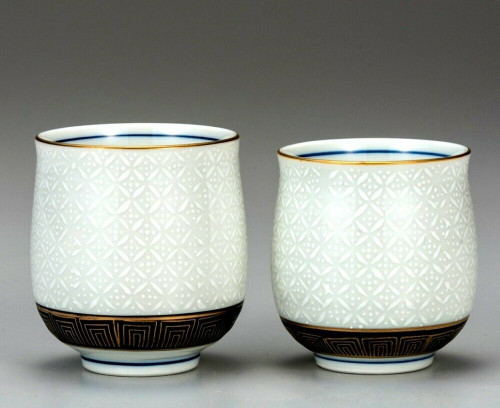
Pick 1 — Kutani White Shippo Pair Yunomi (for the everyday sipper). A pair of porcelain yunomi from Kutani in the shippo — "seven treasures" — pattern, an interlocking circle motif that traditionally carries wishes for harmony and good relations, which makes it a quietly articulate thing to give a couple or a household. Everyday cups, meant for every day. (See the pair)
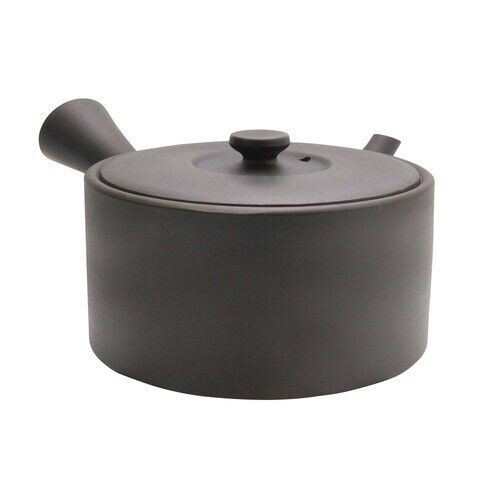
Pick 2 — Tokoname Kyusu with Ceramic Strainer, Jinsui Kiln (for the brewer). A classic side-handled kyusu in the deep black of Tokoname, with a fine ceramic strainer, at a family-tea 420 ml. This is the pot described in Section 3 — iron-rich clay, unglazed where it counts, the kind of pot that seasons with use and quietly improves the tea it brews. (See the kyusu)
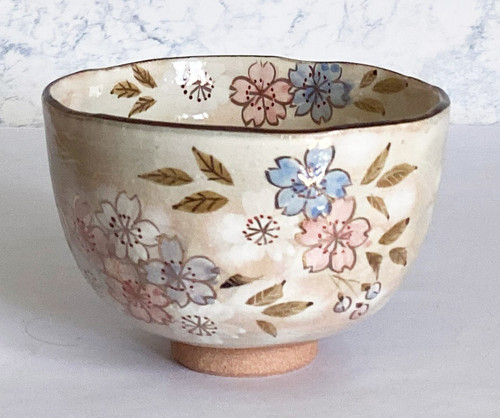
Pick 3 — Kyo-Kiyomizu Sakura Matcha Chawan, hand-painted (for the matcha maker). A Kyoto chawan with cherry blossoms painted by hand — the kind of bowl that turns a morning habit into a small occasion. For someone who whisks matcha, or someone you would like to give a reason to start. (See the bowl)