
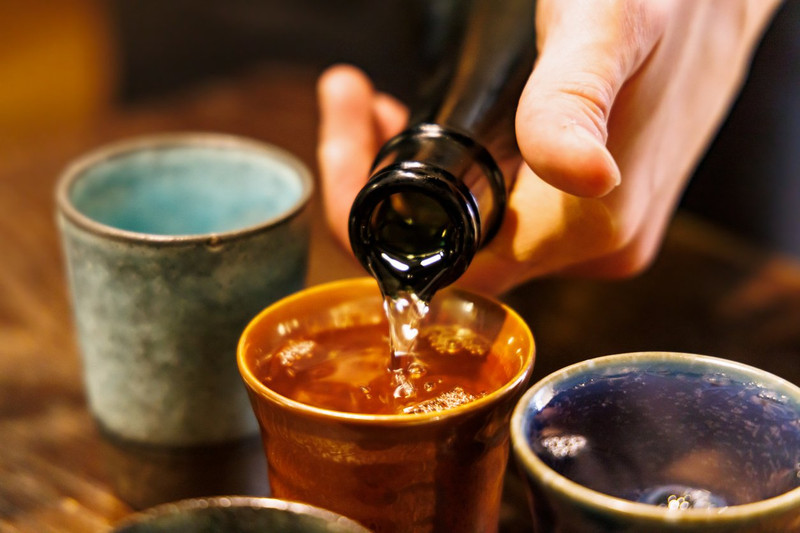
Three questions decide a sake cup: which shape fits their way of drinking, which material fits the sake they love, and which register fits the occasion. Everything else is pleasure.
A sake cup is one of the smallest objects in Japanese craft, and one of the most personal. It costs less than a dinner plate, takes up less room than a teacup, and yet the person who owns a good one tends to know exactly where it is, reach for the same one every evening, and remember who gave it to them. Small object, long shadow.
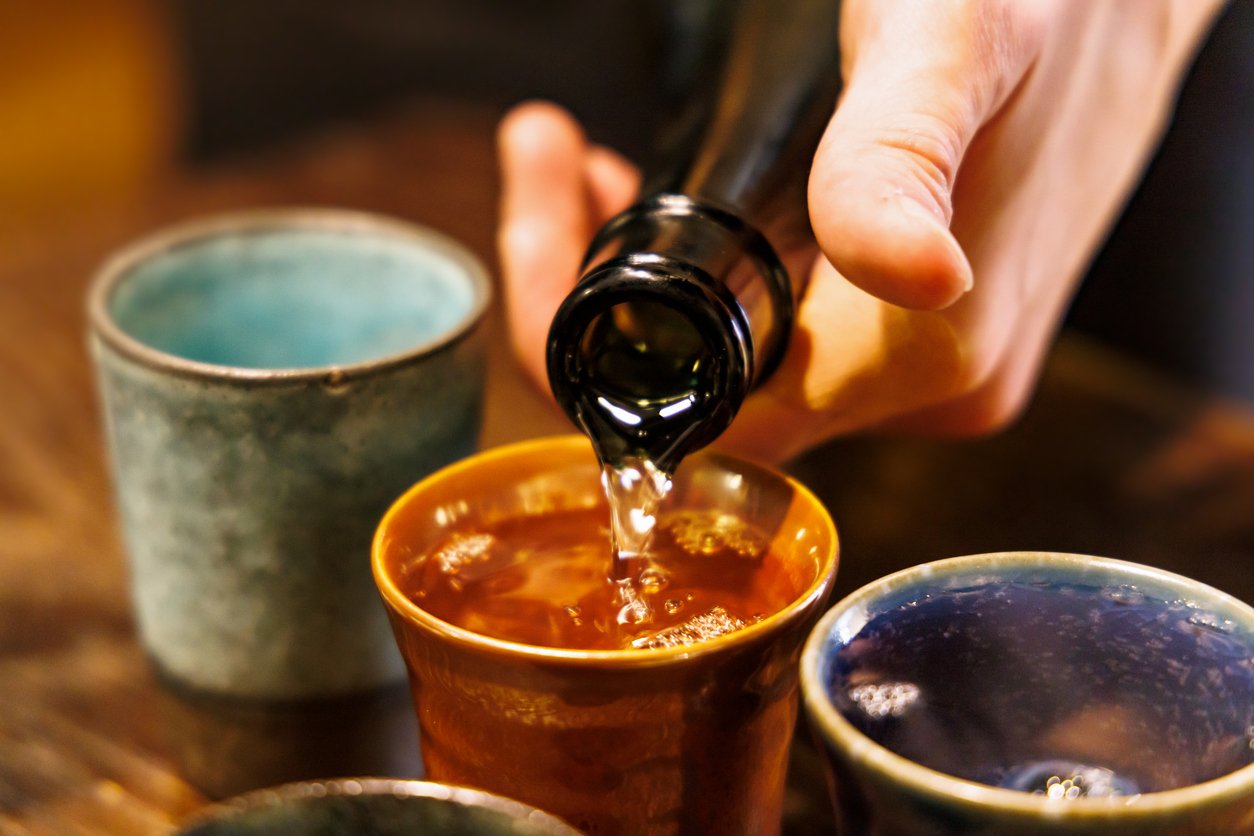
That is what makes choosing one — for yourself or for someone else — feel harder than it should. The names are unfamiliar (ochoko? guinomi? sakazuki?), the materials all claim to matter, and the prices run from the cost of a coffee to the cost of a good chair. This guide is here to make the choosing simple. Not by telling you which cup is correct — there is no such cup — but by giving you the three questions that actually decide it: what shape suits the person's way of drinking, what material suits the sake they love, and what register of cup suits the occasion. Answer those three, and the right cup mostly chooses itself.
On this page
1. First, the Three Shapes
Japanese sake cups come in many forms, but nearly all of them descend from three, and knowing these three is enough to shop with confidence.
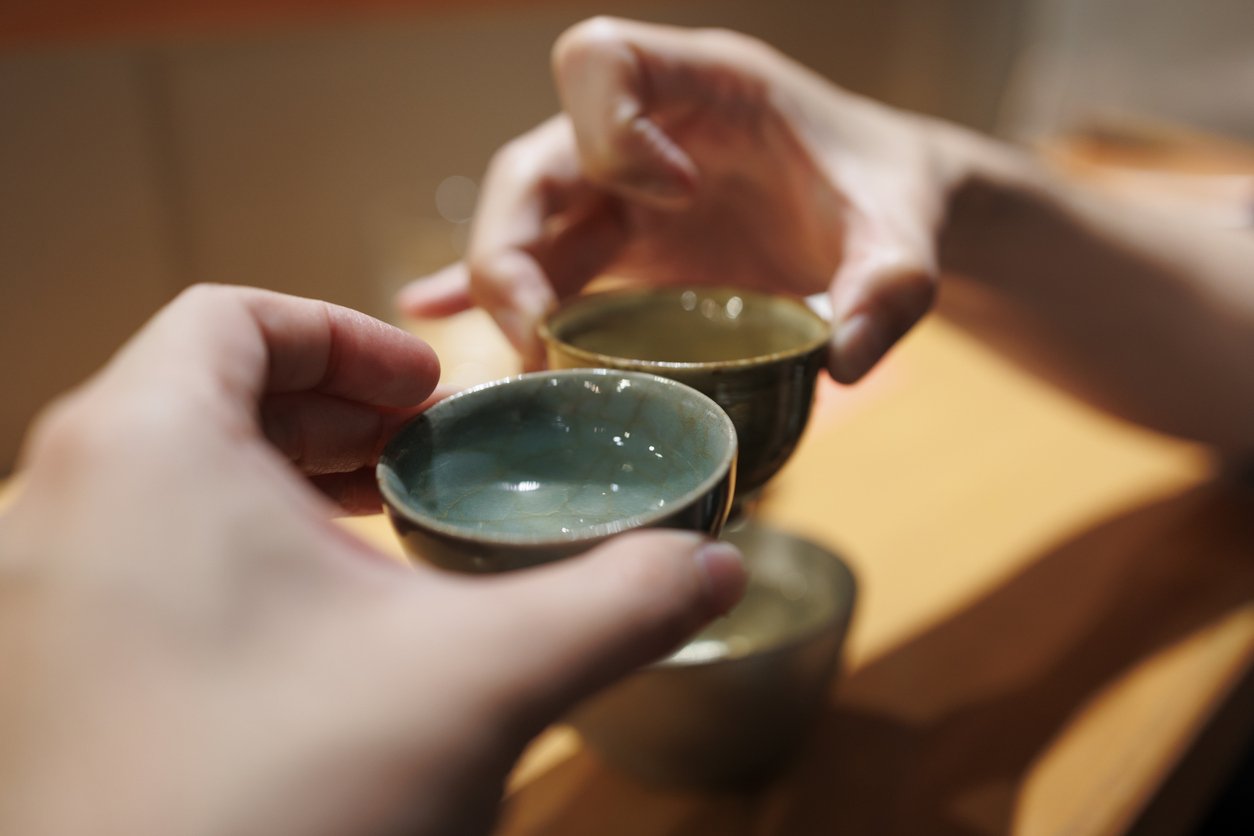
The ochoko (お猪口) is the small classic — the cup most people picture, roughly the size of a plum, holding somewhere between 30 and 90 ml, emptied in a sip or two. Its size is social by design: a small cup empties quickly, and in Japan one does not refill one's own cup — you pour for your companion and they pour for you, and the little ochoko keeps that gentle exchange going all evening. Choose an ochoko for someone who drinks sake with others, who serves it warm, or who loves the classic izakaya rhythm of pour and be poured.
The guinomi (ぐい呑) is the ochoko's freer, more personal cousin — deeper, roomier, typically 90 to 180 ml, named for drinking in one satisfying go. There is no strict rule dividing the two; guinomi is simply the cup that outgrew the pouring ritual. It is the cup for drinking at one's own pace, and because of that it has become the most personal vessel in sake culture — the one serious drinkers choose for themselves, often signed by a single potter, often the only sake vessel they truly love. Choose a guinomi for someone who savors sake slowly, drinks alone or with one other person, or appreciates pottery as pottery.
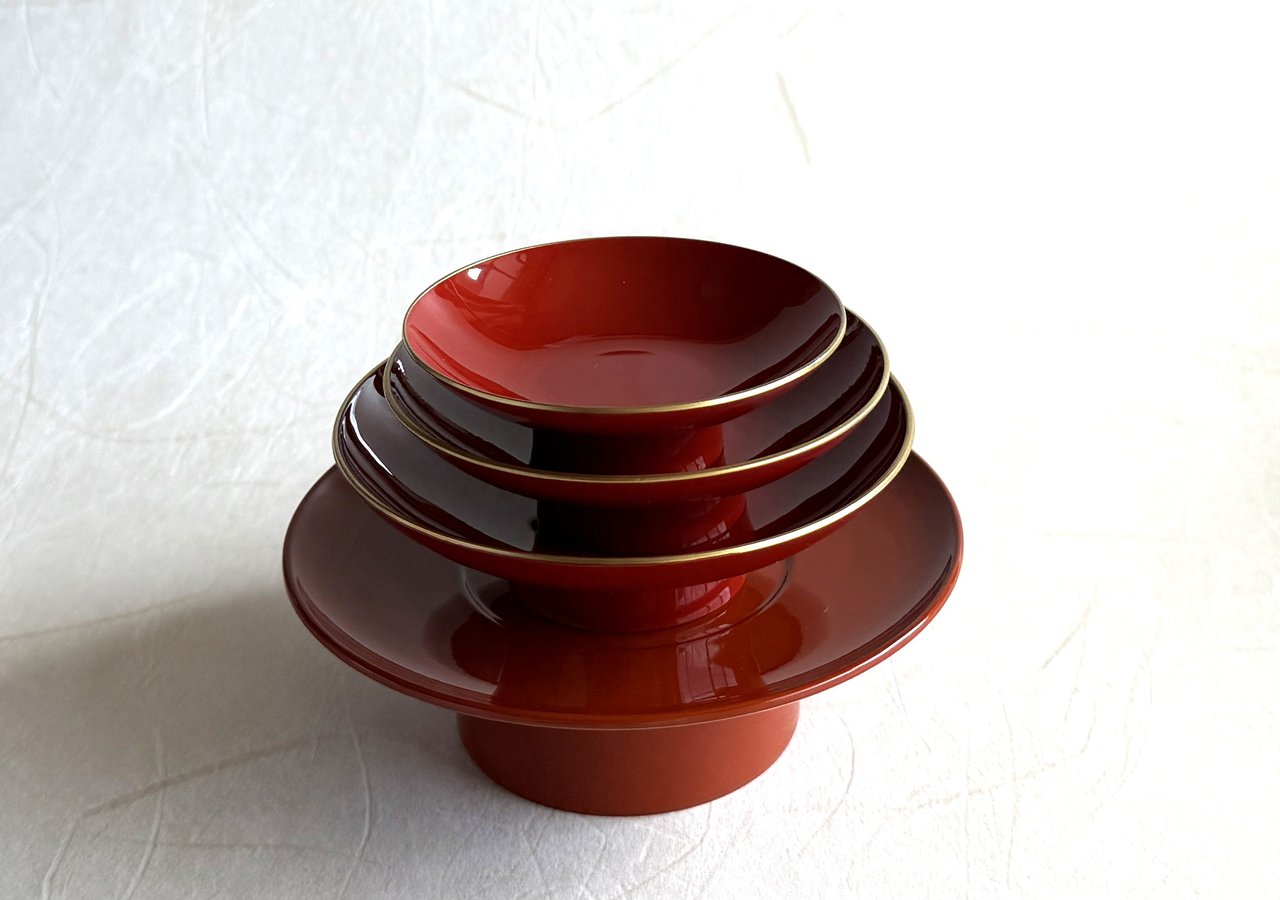
The sakazuki (盃) is the flat, shallow, saucer-like cup of ceremony — the shape you have seen at Shinto weddings, holding only 20 to 50 ml, so open and so shallow that it cannot be drunk from carelessly. That is the point: a sakazuki slows the drinker down and dignifies the moment. In modern homes it comes out for the New Year's first cup, for toasts, for milestones. Choose a sakazuki when the gift itself marks an occasion — a wedding, a retirement, a new chapter — especially in vermilion or black lacquer, the traditional festive forms.
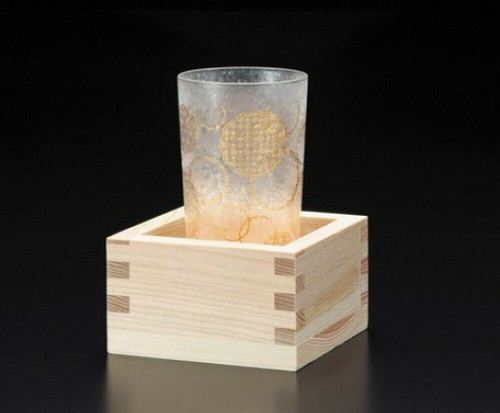
(You will also meet the masu, the square cedar box holding one go — 180 ml, the traditional unit of sake — and modern glass cups. Both are real and both are lovely, but the three above are the heart of the tradition.)
2. Second, the Material — What the Cup Does to the Drink
Here is the quiet secret of sake vessels, and the reason this gift impresses people who love sake: the material of the cup genuinely changes the drink. Not mystically — physically. Thickness changes how temperature moves; the rim changes where the sake lands on the tongue; the surface changes how aroma gathers.
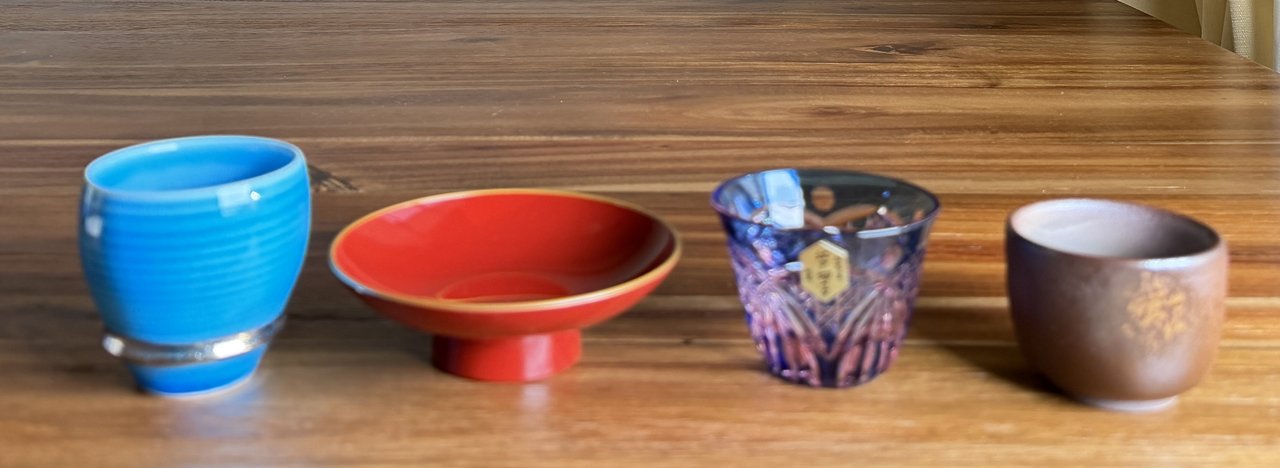
Porcelain (jiki) — Arita, Kutani, Kiyomizu — is thin, smooth, and precise. A fine porcelain rim delivers sake cleanly to the front of the palate, which flatters aromatic, delicate sake: ginjo, daiginjo, anything the drinker describes as "fragrant." Porcelain is also the canvas of Japanese painting traditions, so it is the choice when you want the cup to carry color and image — Kutani's dense enamel and gold, Arita's cobalt blue.
Stoneware (tōki) — Shigaraki, Hagi, Bizen, Mashiko — is thicker, warmer, earthier. It softens edges and rounds the body of the sake, which suits junmai and honjozo, and it holds warmth longer, which suits warm sake in winter. Stoneware cups also change with use: Hagi ware in particular is famous for slowly deepening in tone over years of drinking, a phenomenon lovely enough that Japan gave it a name — the "seven changes of Hagi." A stoneware guinomi is a gift that gets better every year it is used.
Glass is the honest modern choice for chilled sake — it holds cold, adds nothing, and shows the drink. For someone who keeps their sake in the refrigerator and drinks it cold in summer, glass is not a compromise; it is the correct answer.
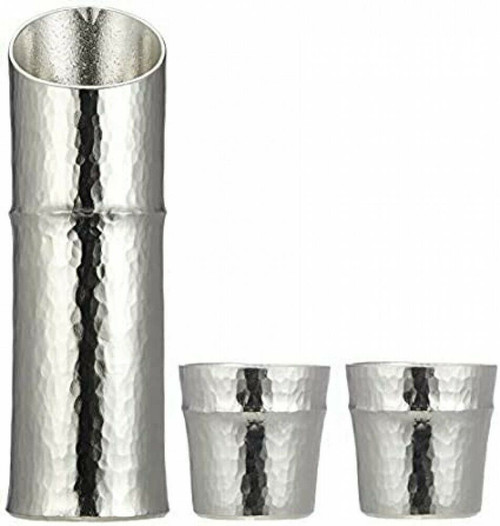
Tin (suzu) is the connoisseur's curiosity — a soft metal from the Takaoka and Osaka traditions, said to round off sake's rougher edges, and prized for conducting temperature evenly. A tin cup is heavier than it looks and keeps cold sake cold to the last sip. As a gift it has the advantage of surprise: even people who own good ceramics rarely own tin.
Lacquer (urushi) belongs mostly to the sakazuki — the vermilion and black cups of celebration. It is the warmest material against the lip and the most ceremonial to the eye. A lacquered sakazuki is less an everyday cup than a small heirloom, brought out when the day deserves it.
A one-line cheat sheet: fragrant cold sake → porcelain or glass; rich warm sake → stoneware or tin; a day worth marking → lacquer.
3. Third, the Person and the Occasion
Now the part that no chart can do — matching the cup to the human. A few honest sketches:
For the person discovering sake — a porcelain ochoko or a friendly guinomi in the everyday price range. Nothing precious enough to frighten them; something pretty enough to make the next bottle an occasion. If they drink with a partner, make it a pair.
For the person who already loves sake — a potter's guinomi, chosen for the maker's hand: visible clay at the foot, a glaze with depth, ideally a kiln with a story (a Hagi cup that will change color over years; a Kutani cup painted by a named artist). This is the gift that says I noticed what you love. One good cup, not a set — serious drinkers prize the single chosen object.
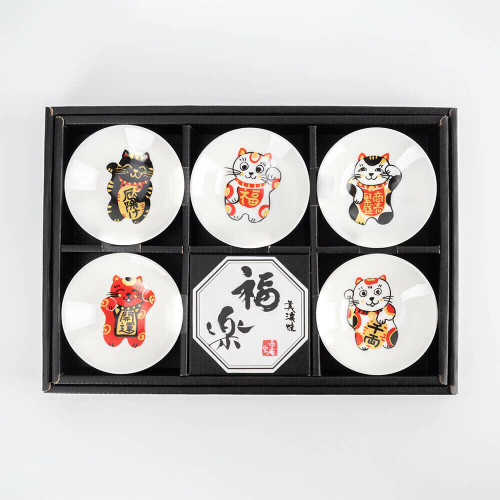
For a wedding, retirement, or New Year — a sakazuki, or a celebratory pair of cups. Vermilion and gold read festive; a pair reads as a wish for shared evenings. This is also where the classic auspicious motifs — crane, pine, Mt. Fuji, the beckoning cat — do their quiet work, because on a celebration cup, meaning is welcome.
For the person who has everything — tin, or a cup in a form they will not own: a masu, a fine sakazuki, a cup with a motif tied to their year or their story. The pleasure of this gift is precision, not price.
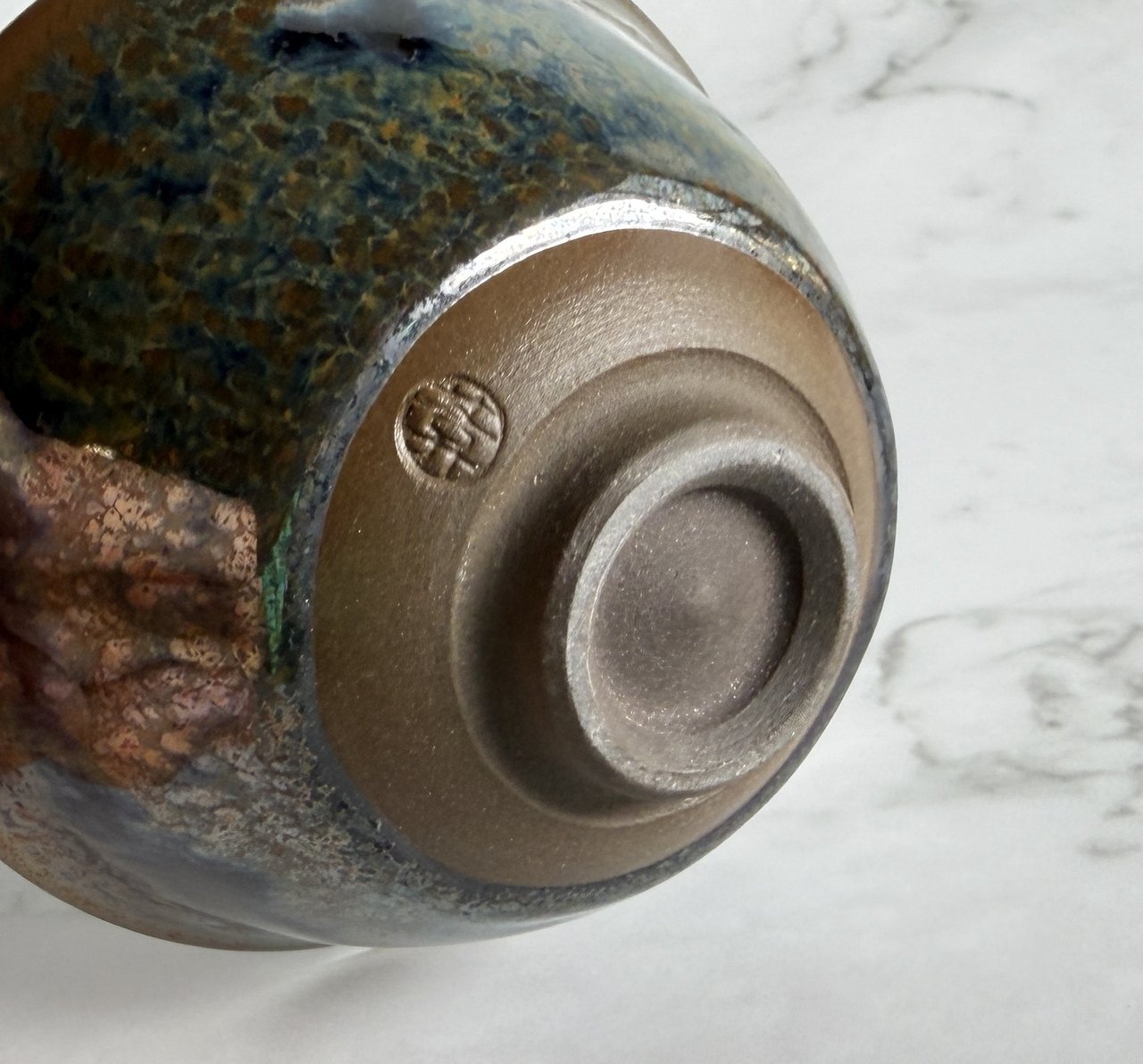
Two practical notes for gift-buyers. First, size errs friendly: a guinomi suits more people than an ochoko, because it works for both slow sipping and generous pouring. Second, when in doubt between two cups, choose the one with the more beautiful foot — turn it over; a carefully finished foot ring is the quiet signature of a maker who cared about the whole object, and sake people always look.
4. What You Do Not Need to Worry About
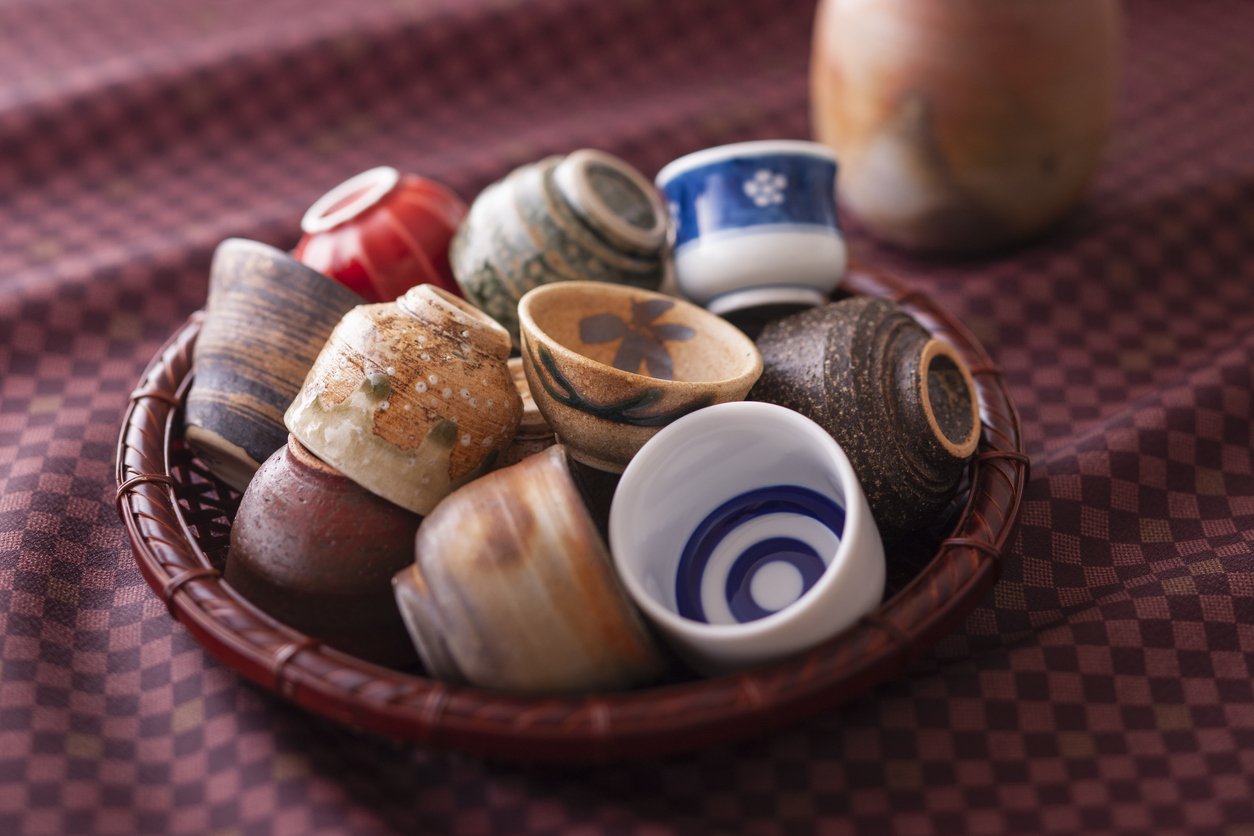
A short list of non-problems, for peace of mind. You do not need to match the cup to a specific brand of sake — materials matter, brands do not. You do not need a full matching set — in Japan, a table of deliberately unmatched cups is not a compromise but a style, and many hosts keep a small gathering of different cups so each guest chooses their own. You do not need to spend heavily for the gift to be real — a $50 Shigaraki guinomi made in a real kiln is a true object, and a sake lover knows it. And you do not need to fear "wrong": among the three shapes, there is no faux pas, only better and worse fits to a person's evenings.
One thing worth checking is the practical care register. Porcelain and glazed stoneware are easy keepers; unglazed and ash-glazed pieces prefer a quick hand wash; lacquer should never see a dishwasher. If the cup is a gift, a one-line care note tucked into the box is a kindness.
5. Frequently Asked Questions
Q: What is the difference between an ochoko and a guinomi?
Size and spirit. An ochoko is the small cup (roughly 30–90 ml) built for the social rhythm of pouring for one another; a guinomi is larger (roughly 90–180 ml), named for drinking "in one good swallow," and chosen for drinking at one's own pace. There is no official boundary — the guinomi is simply the ochoko grown personal.
Q: How much sake does a sake cup hold?
Ochoko around 30–90 ml, guinomi around 90–180 ml, the ceremonial sakazuki as little as 20–50 ml. For reference, sake's traditional unit is the go — 180 ml — which is what a standard tokkuri carafe holds and what the square masu box measures.
Q: What are the blue circles inside some sake cups?
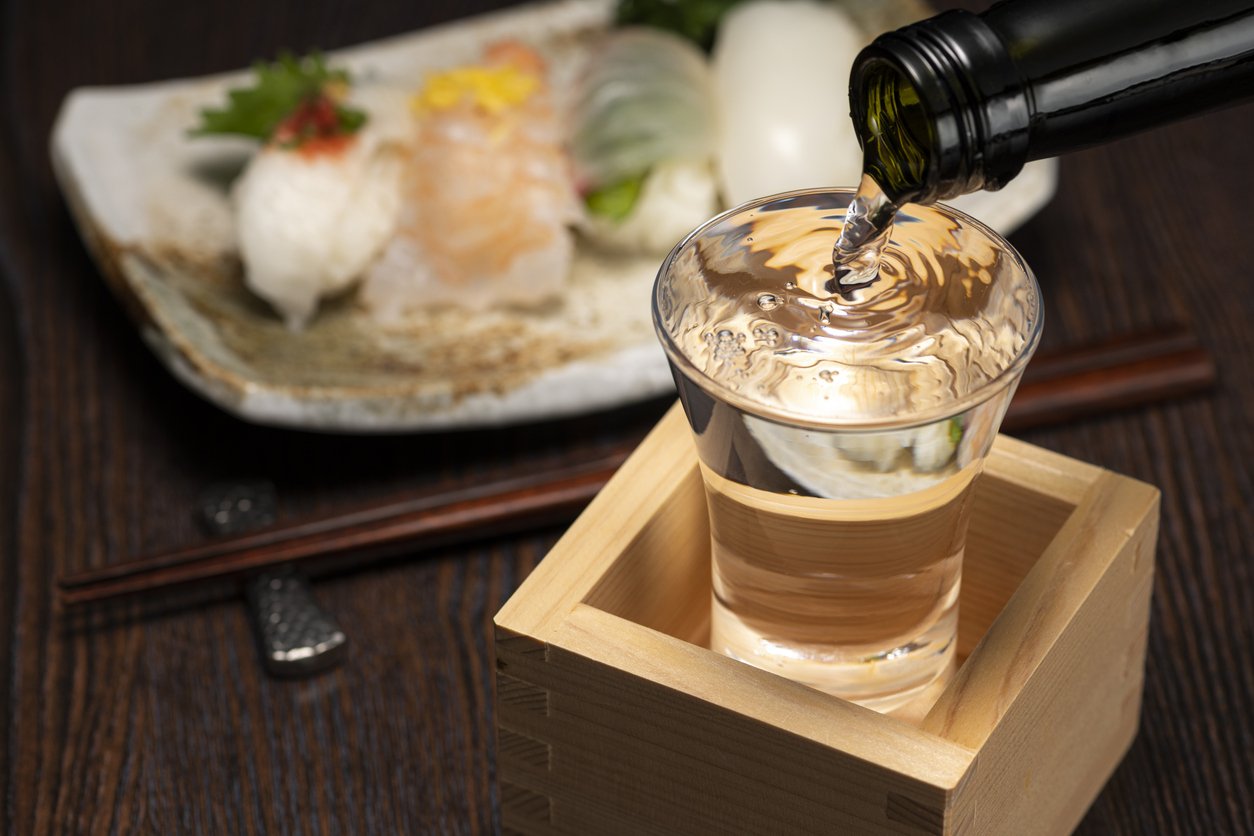
That is the janome — "snake's eye" — the twin cobalt rings you will find inside white tasting cups. Professional tasters use the contrast to judge a sake by eye before tasting it. For a gift-buyer, it is a charming choice for the analytically minded sake friend: a working tool that happens to be a handsome pattern.
Q: Which material is best for cold sake? For warm sake?
Cold, aromatic sake shows best in glass or thin porcelain, which stay cool and deliver the aroma cleanly. Warm sake favors stoneware or tin, which hold their temperature and round the flavor. If you must pick one all-rounder, a mid-weight porcelain or light stoneware guinomi handles both honorably.
Q: Is a sake cup a good gift?
One of the best small gifts in Japanese craft — personal without being intimate, useful without being dull, and available at every price. A single well-chosen guinomi for a sake lover, a pair of cups for a couple, a lacquered sakazuki for a milestone: each is a complete gift on its own, and each gets used, which is more than most gifts can say.
Q: Do I need a tokkuri (carafe) to go with it?
No. A cup alone is a complete gift and a complete drinking vessel — bottles pour perfectly well. A tokkuri or a spouted katakuchi bowl is a lovely later addition for those who serve sake warm or like the ritual of the pour, but the cup is the heart of the matter.
6. Editor's Picks — Three Cups, Three Registers
Three cups from our collection, one for each register this guide describes — the artist's cup, the everyday companion, and the celebration pair.
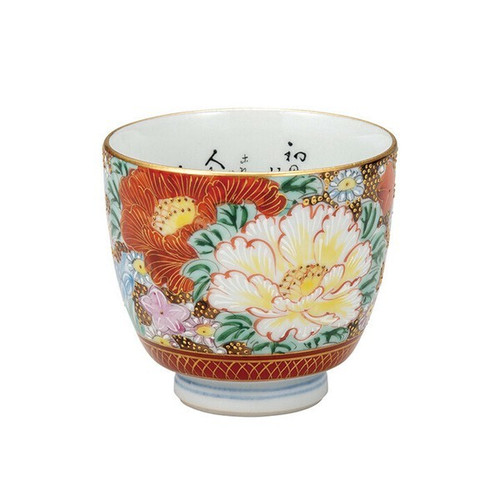
Pick 1 — Kutani Guinomi “Kinsei” Gold Hanazume. The artist's cup, for the person who already loves sake. Kutani's hanazume — "packed flowers" — covers the porcelain edge to edge in blossoms outlined in gold, so the cup reads as a small painted object first and reveals itself as a drinking vessel second. Thin porcelain walls flatter fragrant ginjo sake; the painting does the rest. This is the single chosen object a serious drinker keeps for decades and remembers who gave them. (See the cup)
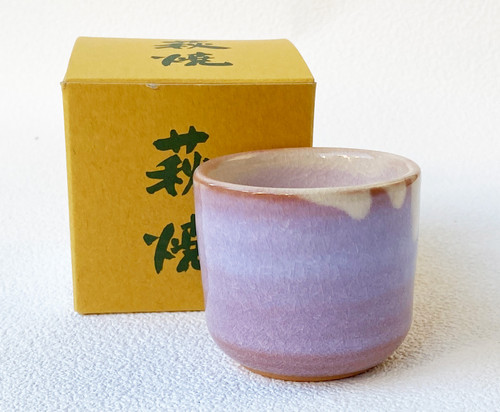
Pick 2 — Hagi Ware Guinomi, Murasaki Purple. The everyday cup that gets better every year. Hagi's soft, porous glaze slowly absorbs the sake it serves, deepening in tone over years of evenings — the famous "seven changes of Hagi." At a friendly price and with its kiln box included, this is the cup for the person just beginning to take sake seriously, or the gentle first gift that quietly becomes a favorite. Warm in the hand, forgiving of daily use, and honestly made. (See the cup)
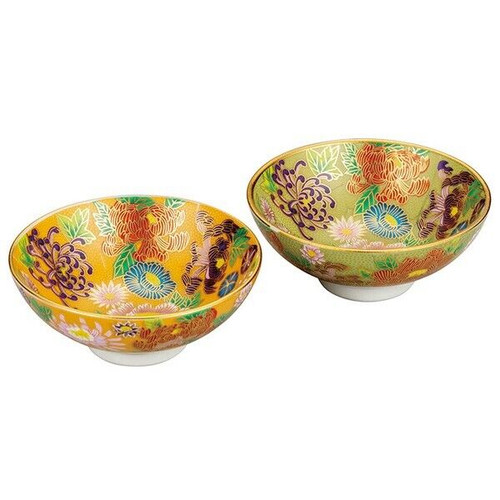
Pick 3 — Kutani Sakazuki Pair, Flower Garden. The celebration pair. Two shallow cups painted inside with a garden of chrysanthemums and peonies on a gold ground — the kind of vessels that come out for a wedding toast, a New Year's first cup, an anniversary evening. A pair of cups is, in the older grammar of the table, a wish for shared evenings; this one makes the wish in gold. (See the pair)
7. Closing
Choosing a sake cup comes down to three small questions: which shape fits their way of drinking, which material fits the sake they love, and which register fits the occasion. Shape, material, occasion — everything else is pleasure. Turn the cup over, look at the foot, imagine the evening it belongs to, and choose the one you can picture in their hand. If you would like help finding the right cup for a particular person or occasion, we are always glad to help.
— from Osaka, Team Manekineko-Ai