
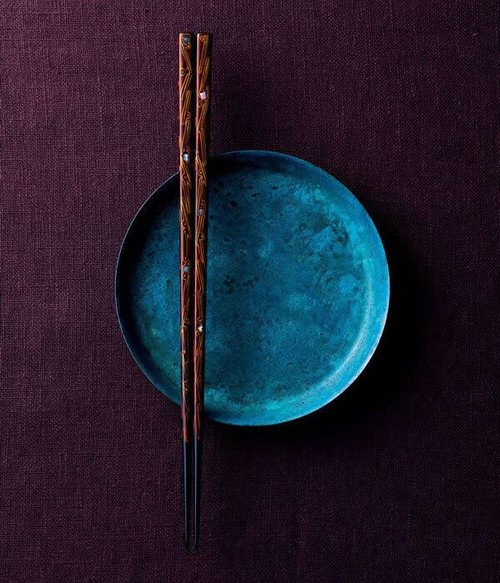
Chopsticks are the most personal object on a Japanese table — and the care they ask for is about thirty seconds at the sink, and a few habits worth knowing.
Of everything on a Japanese table, chopsticks are the most personal object. Bowls and plates are shared, passed around, replaced in sets; a pair of chopsticks belongs to one person, touches their lips at every meal, and is often the first thing in the kitchen to show its age. In Japan it is common for each member of a household to have their own pair — my-hashi, as the habit is affectionately called — and that intimacy is exactly why they deserve a little care.
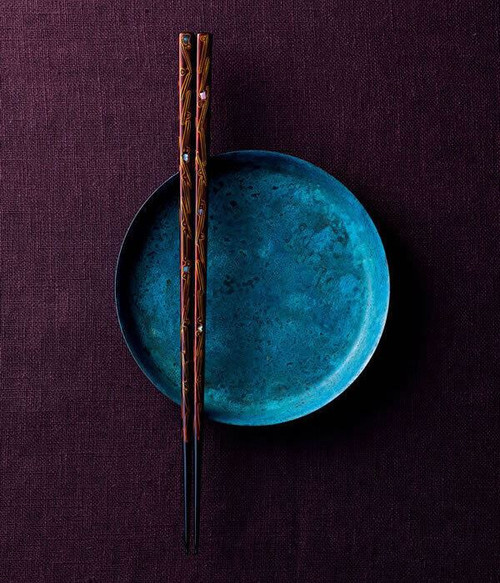
The good news is that the care is genuinely little. Wooden and lacquered chopsticks do not ask for rituals or special products. They ask for perhaps thirty extra seconds at the sink and a few habits worth knowing — most of which come down to understanding what water, heat, and time do to wood and to lacquer. This guide covers those habits: how to wash and dry your chopsticks, how to look after bare wood and urushi lacquer respectively, how to store them, and how to recognize, honestly, when a pair has reached the end of its working life.
On this page
2. Daily Care: The Thirty-Second Habit
3. Caring for Lacquered Chopsticks
4. Caring for Bare Wooden Chopsticks
5. Storage: Small Habits, Long Life
6. When to Let a Pair Go
7. The Quick Reference
8. Frequently Asked Questions
9. Editor's Picks — Pairs Worth the Care
10. Closing
1. First, Know Your Chopsticks — the Pair You Own, or the Pair You Are Choosing
Care depends on the finish, so it is worth spending a moment identifying what you own — or, if you are still choosing a pair, what you are about to bring home, since the same distinctions decide how much care a pair will ask of you. Most Japanese chopsticks fall into one of three groups.
Lacquered chopsticks (nuribashi, 塗り箸) are wood coated with lacquer — either natural urushi (漆) or a modern synthetic such as urethane. The coating seals the wood, which makes these the most water-resistant of the three, and it carries the color and pattern: the deep reds and blacks, the seashell shimmer of Wakasa-nuri, the quiet gloss of a plain vermilion pair. Whether the lacquer is natural or synthetic is usually stated on the product information, and it matters — natural urushi is the more beautiful and the more particular of the two.
Untreated or oil-finished wooden chopsticks (shiraki-bashi, 白木箸) are bare wood, sometimes wiped with a food-safe oil at the workshop and nothing more. They are prized precisely for that bareness — the grip of unsealed wood at the tips is why sushi shops favor them — but bare wood drinks water, so these ask for the most attentive drying and reward occasional oiling.
Bamboo chopsticks behave much like untreated wood: light, strong, fine-tipped, and happiest when washed quickly and dried well.
If you are unsure which you have, the surface will tell you. A coated pair feels smooth and slightly glassy and water beads on it; bare wood feels matte and warm, and water darkens it on contact.
2. Daily Care: The Thirty-Second Habit
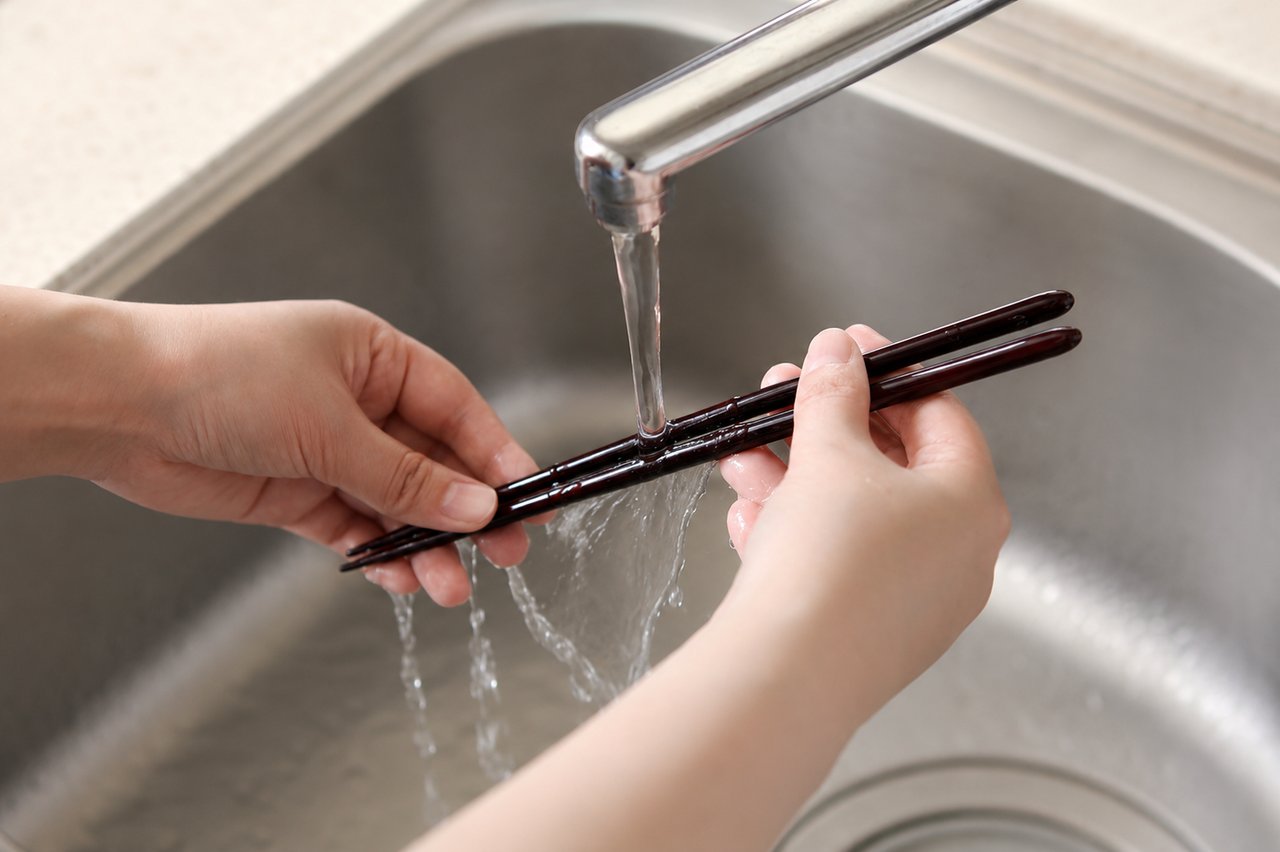
Almost everything that shortens a chopstick's life happens at the sink, and almost all of it is avoidable.
Wash them soon after the meal. Rice is the main reason. Japanese rice is glutinous, and its starch hardens on the tips within an hour or two; once hardened, it tempts people to scrub or pick at the tips, which is how finishes get scratched and wood gets scored. Washed promptly, the same starch slips off with a soft sponge and a drop of mild detergent.
Wash by hand, gently, in lukewarm water. A soft sponge and mild dish soap are all a chopstick ever needs. Avoid the abrasive side of the sponge, scouring powders, and bleach — all of them dull lacquer and roughen wood. Avoid very hot water too, which over time weakens finishes, natural urushi especially. And wash each stick on its own rather than scrubbing the pair against each other in a fist, which sounds efficient and is in fact the quickest way to scratch them.
Never soak them. This is the single habit that matters most. A pair left overnight in a basin of dishwater will swell at the tips, and the cycle of swelling and drying is what cracks bare wood and lifts lacquer at the edges. Even lacquered chopsticks, waterproof as the coating is, deteriorate when water is given hours to find its way in at the tips and the seams. Thirty seconds of washing now spares them twelve hours of soaking later.
Keep them out of the dishwasher. Heat, harsh detergent, and a long hot soak are the three things wood and lacquer like least, and a dishwasher delivers all three at once. Chopsticks sold as dishwasher-safe exist — they are synthetic-coated and made for exactly that life, and there is no shame in owning them for weekdays. But a wooden or urushi pair should never go in.
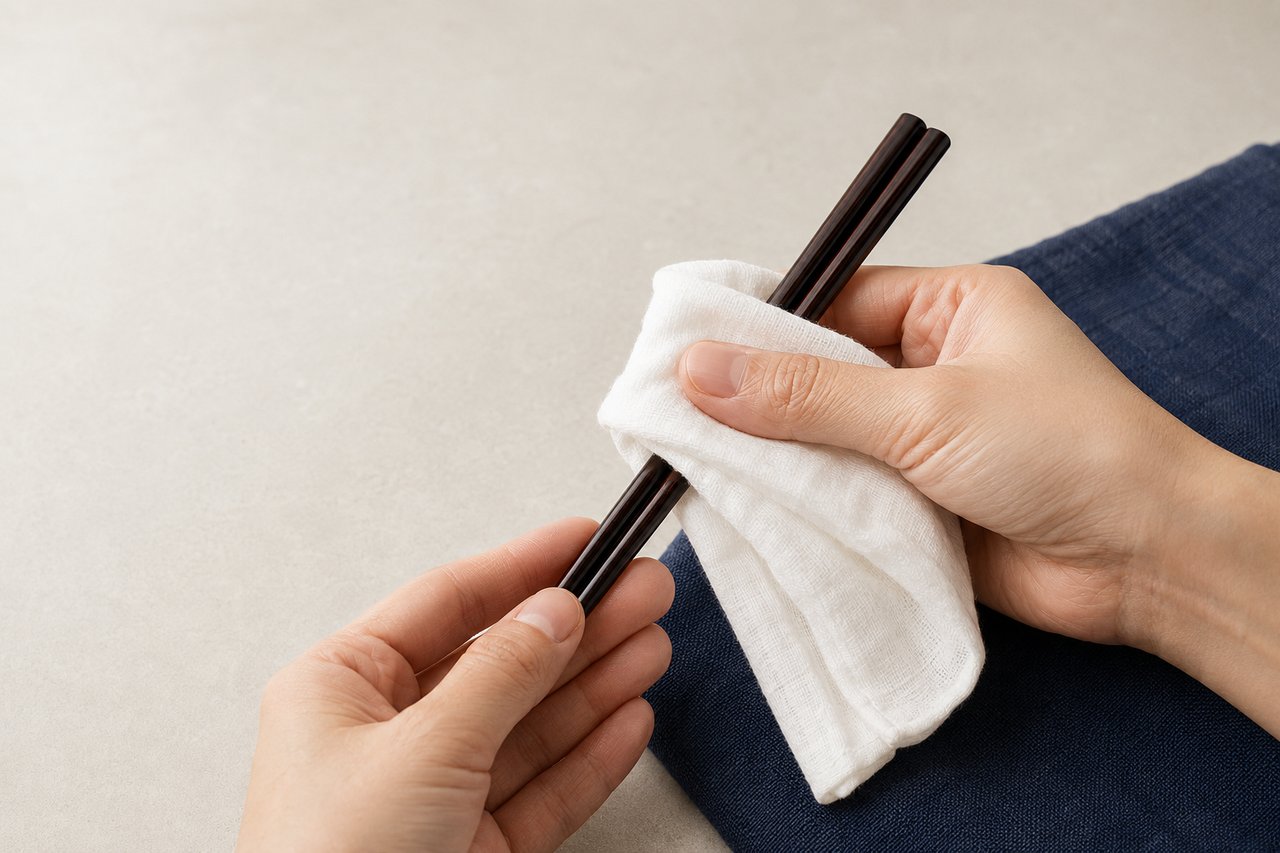
Dry them immediately, then let them rest. After washing, wipe the pair dry with a soft cloth right away rather than leaving them in the rack — standing water leaves spots on lacquer and soaks into bare tips. Then let them finish drying in the air, somewhere ventilated, before they go back in a drawer or box. Wood that is shut away damp is wood that molds.
3. Caring for Lacquered Chopsticks
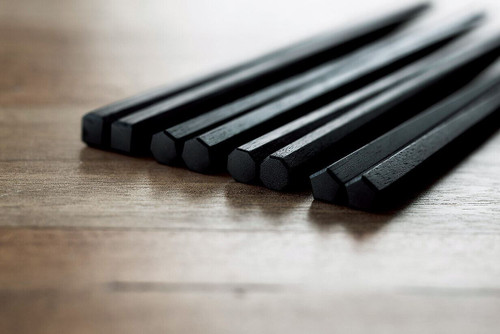
A lacquered pair asks for the gentle washing above and two extra considerations.
Keep them away from sunlight. Natural urushi is remarkably durable against water and daily use — it has sealed bowls and chopsticks for centuries — but it is sensitive to ultraviolet light. A pair stored on a sunny windowsill or draining in direct sun will fade and grow brittle years before its time. A drawer, a chopstick box, or simply a shaded corner of the counter is all the protection it needs.
Trust the sheen, and let it deepen. New urushi sometimes has a faint firmness to its gloss that softens beautifully with use; a well-kept pair grows warmer and deeper in color over years of meals and gentle washing. There is nothing to polish and nothing to apply — the daily wipe of a soft cloth is the maintenance. If the surface ever turns cloudy, the usual culprits are hot water or detergent left to dry on the lacquer, and gentler washing generally brings the depth back.
One reassurance worth giving: urushi, once cured, is stable and food-safe — it is, after all, the coating Japan has eaten from for most of its history. The care it asks for is about preserving its beauty, not about any fragility in use.
4. Caring for Bare Wooden Chopsticks
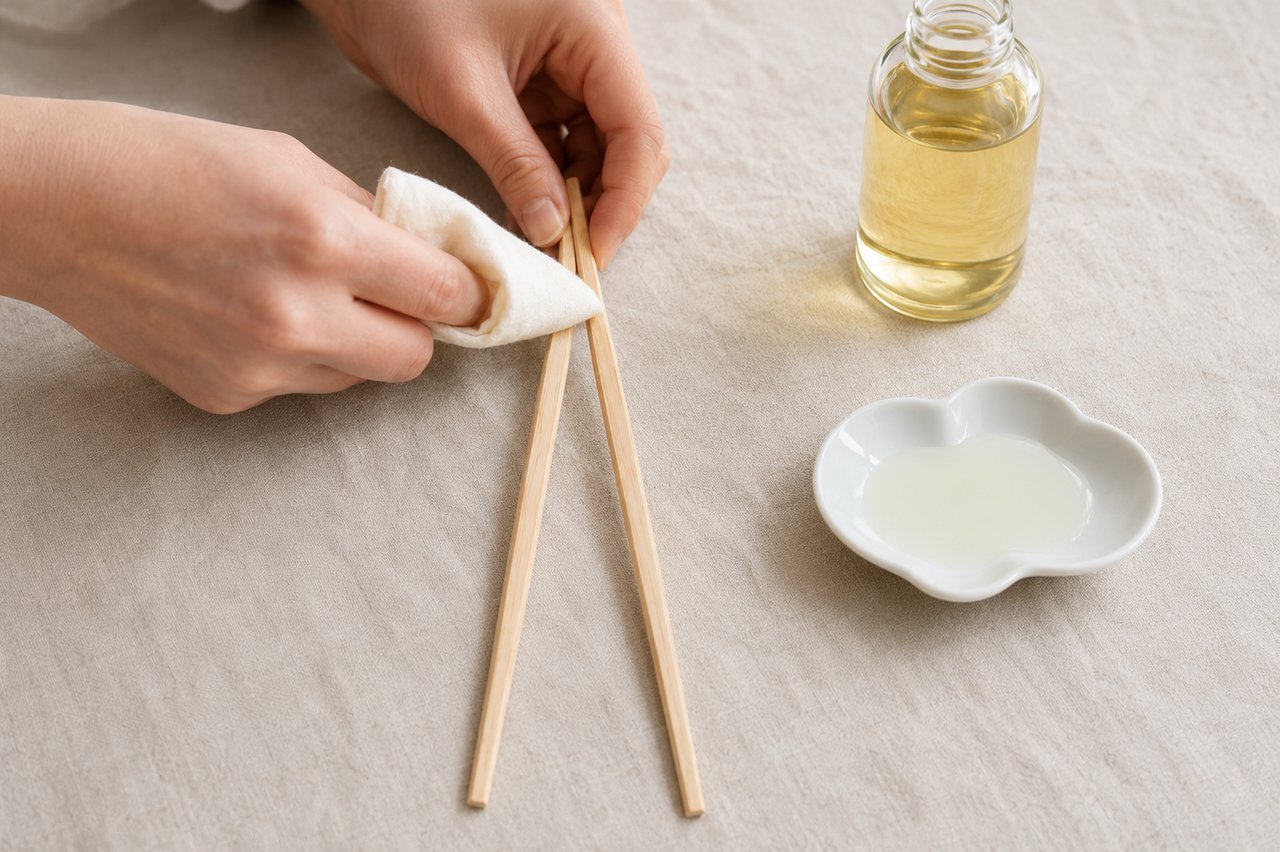
Untreated wood asks for the opposite of lacquer's patience: quick washing, immediate drying, and a little occasional feeding.
Oil them now and then. Bare wood slowly surrenders its natural oils to washing, and the signs are easy to read — the surface turns pale, dry, and slightly rough, and water stops beading and starts sinking in. When you see that, wipe the chopsticks with a few drops of a food-safe oil on a soft cloth: camellia oil is the traditional choice in Japan, and walnut, rapeseed, or a good olive oil work as well. Let the oil sit for a few minutes, wipe off the excess, and let the pair rest overnight before use. For chopsticks in daily rotation, once every month or two is plenty.
Smooth what roughens. If the tips of an untreated pair grow whiskery with use, a light pass with very fine sandpaper followed by an oil wipe restores them — one of the small pleasures of bare wood is that it can be renewed this way. This is for untreated wood only; sanding a lacquered pair removes the lacquer.
Be strict about drying. Everything said above about soaking and damp storage goes double for bare wood. If a pair does mold — black spotting at the tips that washing will not lift — it should be retired without regret; mold roots deeper than the surface, and chopsticks are too close to the mouth to gamble on.
5. Storage: Small Habits, Long Life
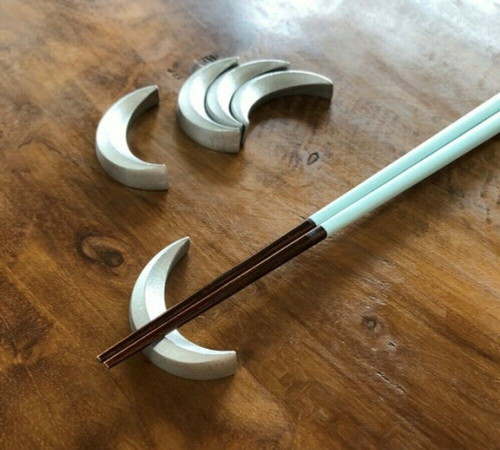
Where chopsticks rest matters almost as much as how they are washed. Three habits cover it. Store them fully dry, never damp — the ventilated air-dry before the drawer is the whole game. Keep them out of direct sunlight and away from heat sources like the stove or a sunny sill, which fade lacquer and dry wood into cracking. And give them a little order: a chopstick box, a divided drawer, or a jar with the tips upward, so the working ends are not grinding against other cutlery every time the drawer opens. If you carry chopsticks out of the house, a ventilated case matters more than a pretty one — a sealed case around damp chopsticks is a small greenhouse.
6. When to Let a Pair Go
Chopsticks are working tools, and honest care includes knowing when their work is done. In Japan it is often said that a pair in daily use lasts about a year, and there is an old custom of replacing household chopsticks at the New Year — beginning the year, quite literally, with a fresh start at the table. A well-made pair that is washed gently and dried well can certainly serve far longer, but the one-year figure is a useful reminder that chopsticks, unlike bowls, are consumed by use.
The signs that a pair is finished are plain to see. Lacquer peeling or flaking at the tips — where the coating has opened, water is already in the wood, and on a lacquered pair the tips are the first place to look. Cracks or splinters anywhere along the stick. Tips gone soft, rounded, or shortened from wear. Mold or a musty smell that washing does not remove. Any of these, and the pair has earned its retirement.
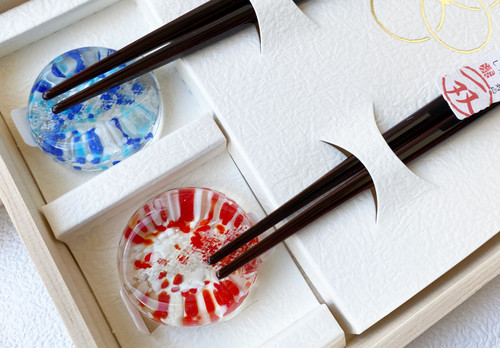
One gentler note: replacement itself has its own small ceremony in Japan — a new pair for the New Year, for a birthday, for a fresh chapter. A worn pair going out and a beautiful pair coming in is not a loss; it is one of the quiet rhythms of a well-kept table.
7. The Quick Reference
- Wash by hand, soon after eating, with a soft sponge, mild soap, and lukewarm water.
- Never soak; never use the dishwasher on a wooden or urushi pair.
- Dry immediately with a cloth, then air-dry before storing.
- Keep lacquer out of the sun.
- Oil bare wood when it turns pale — camellia or another food-safe oil, excess wiped away.
- Store dry, tips protected, away from heat.
- Replace when tips peel, crack, or wear round.
8. Frequently Asked Questions
Q: Can I put wooden or lacquered chopsticks in the dishwasher?
No. The combination of high heat, strong detergent, and a long wet cycle warps wood and lifts lacquer. If dishwasher convenience matters for daily life, keep a synthetic-coated pair sold specifically as dishwasher-safe for weekdays, and save the wooden or urushi pair for the meals you sit down for.
Q: I left my chopsticks soaking overnight — are they ruined?
Once is rarely fatal. Dry them thoroughly, let them rest a day, and check the tips: if the wood has not cracked and the lacquer has not lifted, they will be fine. It is the habit of soaking, repeated over months, that destroys chopsticks — the swelling-and-drying cycle cracks wood and opens seams in lacquer.
Q: What oil should I use on wooden chopsticks, and how often?
Any food-safe oil works: camellia oil is the Japanese tradition, and walnut, rapeseed, or olive oil are fine substitutes. Wipe a few drops on with a soft cloth when the wood looks pale and dry, let it sit briefly, wipe off the excess, and rest the pair overnight. For daily-use chopsticks, every month or two is usually enough. Lacquered chopsticks need no oil at all.
Q: How long do Japanese chopsticks last?
A common rule of thumb in Japan is about a year for a pair in daily use, and many households traditionally replace chopsticks at the New Year. With gentle washing and good drying, a quality pair often serves much longer — let the condition of the tips, not the calendar, make the final call.
Q: What are Japanese chopsticks called?
Hashi (箸) — or ohashi in polite speech. Within that word lives a small vocabulary: nuribashi are lacquered chopsticks, shiraki-bashi are untreated wooden ones, waribashi are the disposable pairs that split apart, and saibashi are the extra-long pairs used for cooking. A personal pair kept for one's own daily use is affectionately called my-hashi.
Q: What is the difference between Japanese and Chinese chopsticks?
Mostly shape and length. Japanese chopsticks are shorter and taper to fine, pointed tips — made for individual servings, and for the precise work of lifting fish from its bones. Chinese chopsticks are longer and thicker with blunt tips, built for reaching shared dishes at the center of the table. Japanese pairs are typically wood or bamboo and very often lacquered, which is why they reward the gentle care this guide describes; Chinese pairs are more often bare wood, bamboo, or melamine. (Korean chopsticks, for completeness, are the flat metal ones.)
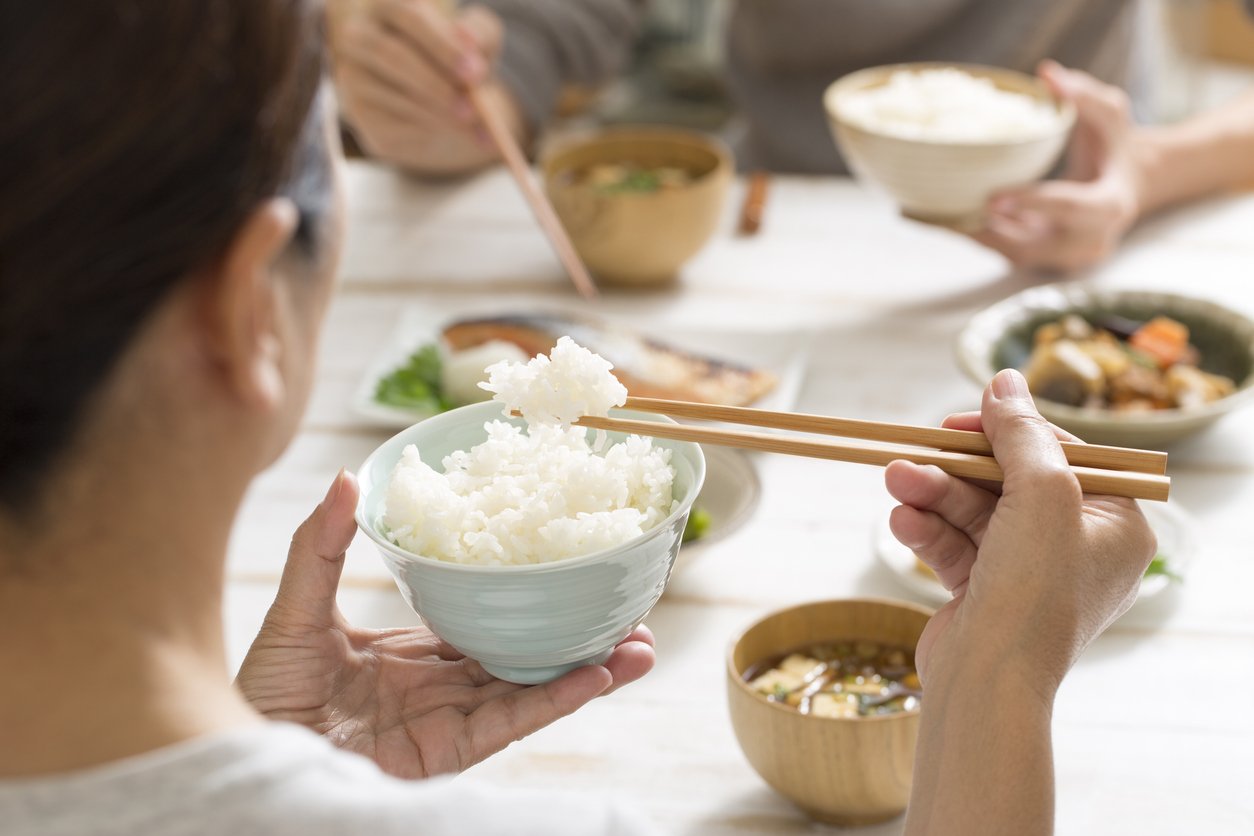
Q: How do you eat rice in Japan?
Lift the rice bowl with one hand and bring it close, holding the chopsticks in the other — in Japan, raising the bowl is good manners, not a shortcut. Japanese rice is glutinous enough to lift in small, tidy clumps, so no scooping is needed. Two things to avoid: never stand chopsticks upright in a bowl of rice, and never pass food from one person's chopsticks to another's — both echo funeral rites. Between bites, rest the pair on a chopstick rest or across the bowl's edge. And that same glutinous starch is why this guide asks you to wash the tips soon after the meal.
9. Editor's Picks — Pairs Worth the Care
Three pieces from our collection, chosen to match the spectrum this guide describes — one fine urushi pair to live with, one everyday pair, and the small companion that protects them both.
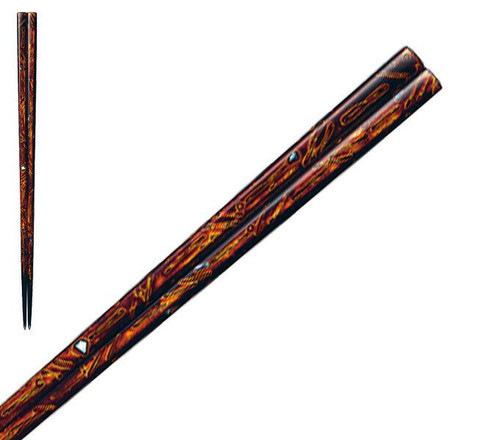
Pick 1 — Wakasa-nuri Chopsticks “Ryuen” (L). A fine pair from Obama in Fukui, the home of Wakasa-nuri — the lacquer craft famous for setting eggshell and seashell into layer upon layer of urushi, then polishing down until the pattern surfaces like light on water. This is the pair this whole guide was written for: washed gently, dried with a cloth, kept out of the sun, it grows more beautiful for years — the kind of pair that quietly becomes part of a household's story. (See the chopsticks)
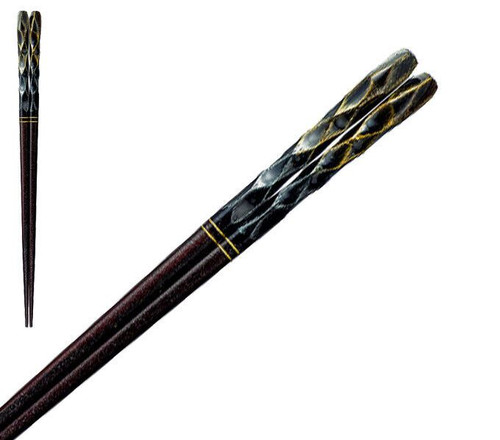
Pick 2 — Wakasa-nuri Chopsticks “Brilliant Kikou” Black (L). The everyday register of the same craft — a friendly-priced Wakasa-nuri pair in deep black with a quiet shimmer at the grip. This is the pair for every single meal: light in the hand, easy to wash well in thirty seconds, and proof that the daily habits in this guide are not reserved for special occasions. A good first pair, and a good my-hashi. (See the chopsticks)
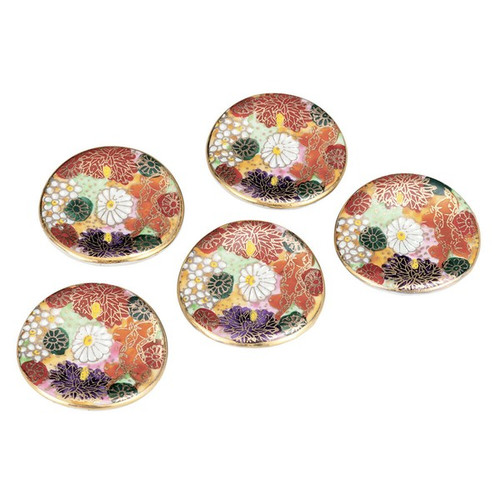
Pick 3 — Kutani Ware Chopstick Rest Pair, Hanazume. The small companion that quietly does half the care for you. A chopstick rest keeps the working tips off the table at every meal — protecting the lacquer, the wood, and the tablecloth at once — and this Kutani pair, painted edge to edge in the hanazume packed-flower style with gold, makes the habit a pleasure to keep. A natural gift alongside a good pair of chopsticks. (See the rests)
10. Closing
Chopstick care asks so little that it barely deserves the word: wash soon, wash gently, never soak, dry well, keep the sun off the lacquer, and feed bare wood a little oil when it asks. In return, the most personal object on your table stays beautiful for years — and when a pair does finally wear out, replacing it is its own small pleasure. If you would like help choosing a pair worth caring for, we are always glad to help.
— from Osaka, Team Manekineko-Ai