
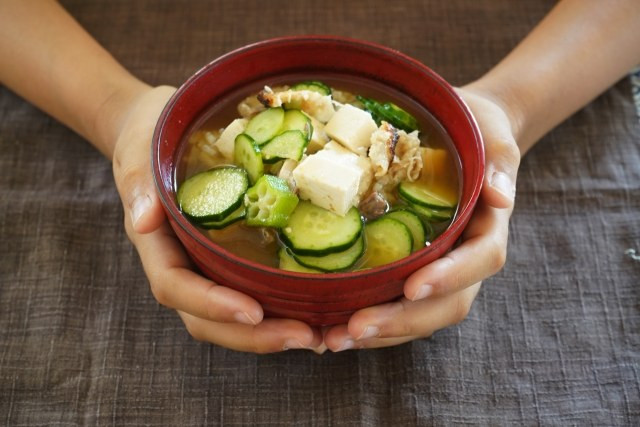
Lacquer is a skin, not a stone — treat the surface the way you would treat good leather, and the rules become easy to remember.
Lacquerware has a reputation for being delicate, and it is largely undeserved. A lacquered bowl survived daily miso soup in Japanese households for centuries before anyone owned a sponge with a scouring side. What lacquer actually asks for is not tiptoeing but a handful of correct habits — most of them easier than the care a cast-iron pan expects.
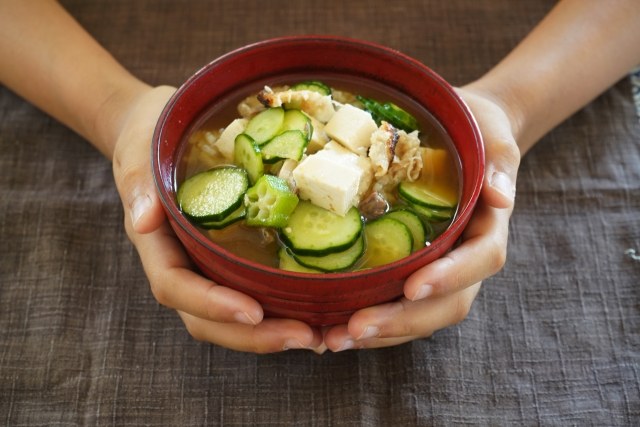
One idea organizes everything that follows: lacquer is a skin, not a stone. It is a thin, cured coating over a body of wood or resin, and everything on the "avoid" list — harsh heat, long soaking, hard scrubbing, direct sun, parched air — is simply something that stresses a skin. Treat the surface the way you would treat good leather, and the rules become easy to remember. This guide covers the daily habits first, then the part most care guides skip: what to do when something has already gone wrong — a smell, a white mark, a dulled gloss, a chip.
On this page
1. First, Know Which Lacquer You Own
Care differs slightly by coating. Traditional urushi — natural lacquer over wood — is valued for its depth and the way its appearance develops with use; it is also the most particular, disliking extreme dryness and direct sun. Cashew and urethane coatings, over wood or resin, are the modern majority: tougher against knocks, less sensitive to climate, but sharing the same core enemies — dishwashers, very hot liquids, abrasion. The reliable way to know what you own is the maker's care label, which states the material and coating; when the label is silent or lost, use the urushi rules below, which protect every type.
2. Everyday Washing
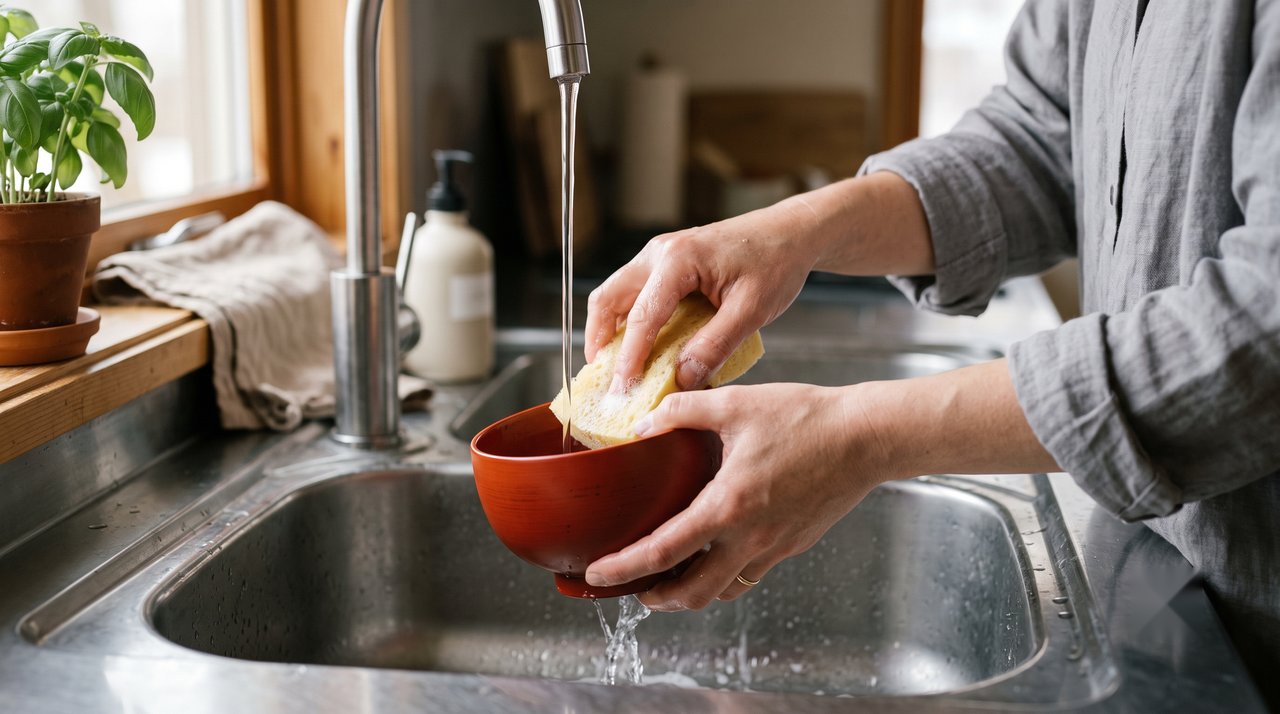
Wash soon, wash gently. Lacquer releases food easily — that slickness is the point of the coating — so a soft sponge, mild dish soap, and lukewarm water handle everything. Wash soon after the meal rather than letting sauces dry overnight, and skip the scouring pad, cleansers, and bleach.
Give lacquer its own moment in the sink. Most scratches come not from the sponge but from the sink: a lacquered bowl knocking against ceramics and cutlery in a crowded basin. Wash lacquer separately and set it on a cloth rather than in the rack among the plates. Pieces with maki-e or gold decoration prefer a wrung-out soft cloth or gauze to a sponge — the decoration sits on top of the lacquer, like the surface of a painting.
No soaking, no dishwasher, no microwave. Soaking gives water hours to work into any small gap in the coating. Dishwashers pair hot water with strongly alkaline detergent, which dulls a lacquer surface long before it breaks it. Microwaves heat the body unevenly until coating and core part company. Even for pieces sold as dishwasher-tolerant, hand-washing is what keeps the surface beautiful rather than merely intact.
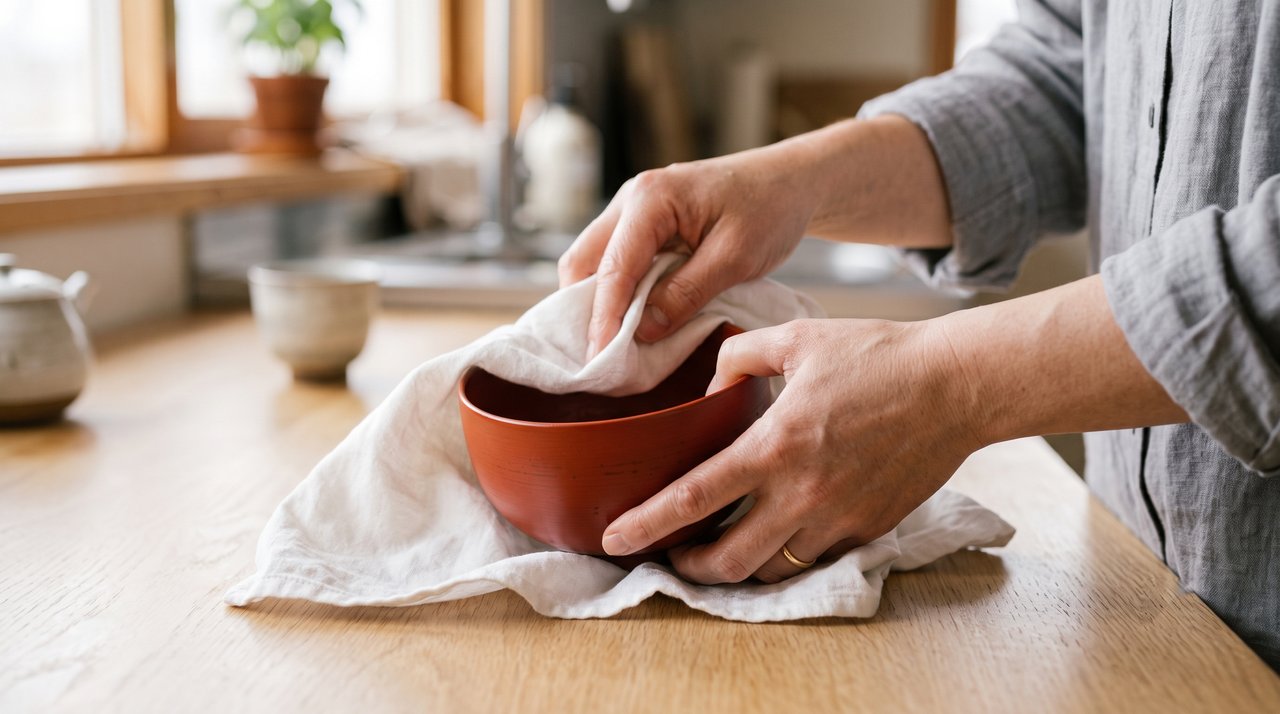
Then dry with a cloth, right away. This single habit outranks the rest. Air-drying leaves water standing at the foot and in corners — exactly where coatings fail first. A quick pass with a soft cloth chases the water out, and doubles as a gentle daily polish: over months, that wipe is what builds the soft luster that separates a lived-with bowl from a warehouse one.
3. Heat: What Lacquer Can Take
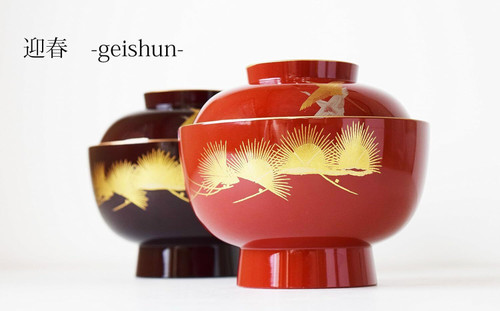
Lacquerware is made for hot food. Miso soup, rice, tea — serving temperatures are its native habitat, and its low heat conduction is why a full soup bowl does not burn your hands. The line to respect is boiling: liquid fresh off the boil may leave a cloudy or whitish mark on the coating, so let it stand a moment first. And keep lacquer away from stoves, ovens, and freezers entirely.
4. Storage
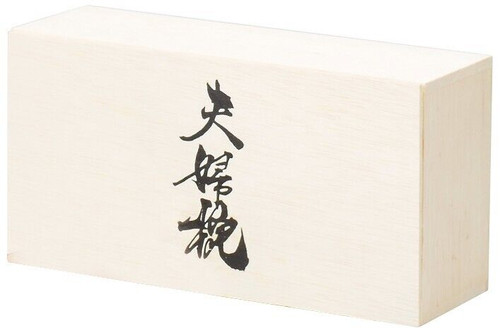
Three habits cover it. Keep lacquer out of direct sunlight, which fades vermilion, dulls black, and embrittles coatings. Stack kindly — lacquer against ceramic foot rings is how mystery scratches happen, so lay paper or cloth between mixed stacks, and let boxed pieces live in their boxes. And avoid parched, heated air: do not store fine urushi next to a heater or in the direct draft of climate control, where months of dry air can end in hairline cracks. Beyond that, the best storage is regular use — lacquer kept working ages better than lacquer kept waiting.
5. When Something Goes Wrong
Here is the part most guides skip — the troubleshooting.
A new piece has a sharp smell. This is the residual scent of the coating, most noticeable on new urushi. It is generally temporary and usually fades with airing and regular use: wash in lukewarm water, dry, let the piece rest somewhere ventilated and shaded for a few days, then simply use it. Do not try to burn or scrub the smell out — heat and harsh cleaning will do harm the smell never would.
A white or cloudy mark after hot liquid. Too-hot liquid may leave a whitish bloom on the coating. Return to the gentle routine — lukewarm wash, cloth-dry — and give it a few uses; marks sometimes soften, though some remain as a quiet record of the lesson. Prevention is simple, and worth the habit: let boiled liquids rest a moment before they meet lacquer.
Food has dried onto the surface. Never scrape. Lay a cloth wrung out in lukewarm water over the spot for a few minutes to soften it, then wash as usual. The coating releases almost anything once it is softened.
The gloss has dulled or clouded. Usual suspects: hot water, detergent left to dry on the surface, or a piece put away damp. Gentle, correct cleaning may improve it, and the daily cloth-wipe slowly rebuilds luster over weeks of normal use — patience does more here than any product. Avoid polishes and abrasives, which take gloss away far faster than they add it.
Scratches. Mostly a prevention story: wooden or bamboo utensils instead of metal, a solo wash instead of a crowded sink. Shallow marks in urushi tend to soften visually with use; a scratch that shows a different color underneath belongs with prevention's lessons rather than remedies.
A chip, a worn patch, peeling. Lacquer is, by tradition, a mendable material — Japan's kintsugi culture grew from exactly this idea — but in practice such restoration is specialized work, done by a small number of artisans mostly within Japan. For everyday pieces, the honest path is prevention (the habits above) and, when a piece has truly worn out, a graceful retirement. A bowl that served daily meals for years has done what it was made for — and choosing its successor is a small pleasure of its own.
6. The Quick Reference
Hand-wash soon and gently, lacquer separate from ceramics, gauze for gold. Never soak; no dishwasher, microwave, oven, or freezer. Serving-hot is fine; boiled liquids rest first. Cloth-dry immediately. Store out of sun, paper between mixed stacks, away from heaters and dry drafts. Soften dried food with a warm damp cloth, never a scrape. And use the piece often — regular use is the best care lacquer can receive.
7. Frequently Asked Questions
Q: The label says dishwasher-safe. Should I still hand-wash?
If the piece matters to you, yes. The label speaks to survival, not beauty: repeated hot, alkaline detergent cycles dull the surface depth years earlier than thirty seconds at the sink would.
Q: What should I do about a white or cloudy mark?
Try the gentle routine first — lukewarm wash, mild soap, immediate cloth-dry — over a few uses; the daily wipe often softens mild clouding over time. Avoid polishes and abrasives, which do more harm than good. And going forward, let very hot liquids rest a moment before pouring — that habit prevents most marks entirely.
Q: How do I get rid of the smell of a new piece?
Wash in lukewarm water, dry with a cloth, and air the piece in a ventilated, shaded spot for a few days — then use it normally. The scent is generally temporary and fades fastest through ordinary use.
Q: Is daily use really okay — soup, rice, curry?
That is exactly what lacquerware is for. Daily hot meals at serving temperature, followed by a quick wash and wipe, are not wear on the piece; they are how its luster develops.
Q: My lacquerware chipped. Can it be repaired?
In principle, traditional urushi is a mendable material — the philosophy behind Japan's kintsugi. In practice, such restoration is specialized work done mostly within Japan, so for everyday pieces the realistic answer is prevention and, eventually, graceful replacement. A chipped piece can still serve away from the mouth — as a key tray or a stand for small things — which is its own kind of second life.
8. Editor's Picks — Three Pieces That Repay the Care
Three pieces from our collection, arranged as a small ladder of materials — modern coated, wood-bodied, and a tray to carry them.
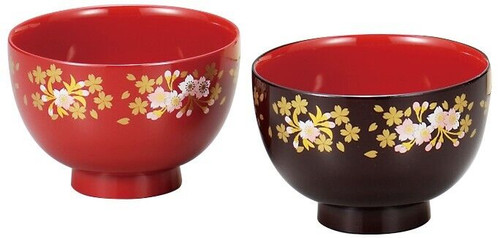
Pick 1 — Yamanaka Pair Bowls, Sakura, Red & Black. The everyday starting point — a boxed pair of soup bowls from the Yamanaka tradition in its modern, durable form, light in the hand and unafraid of daily miso soup. This is exactly the register of lacquerware this guide's habits are written for: wash gently, wipe dry, use every day, and the pair keeps its quiet gloss for years. The wooden gift box makes it a natural present for a couple, too. (See the pair)
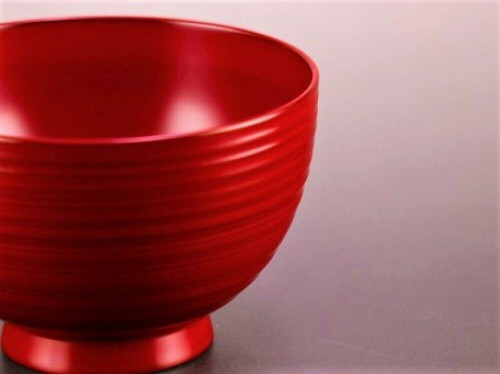
Pick 2 — Echizen Soup Bowl, Lateral Stripes, Red. One step up the material ladder: a wood-bodied bowl from the Echizen lacquer tradition, its turned stripes catching the light along the rim. Wood under the coating brings the warmth and lightness that lacquerware is loved for — the bowl feels alive in the hand in a way resin never quite does — and it responds visibly to the cloth-wipe habit this guide keeps returning to. For the reader ready to feel the difference, this is the honest next bowl. (See the bowl)
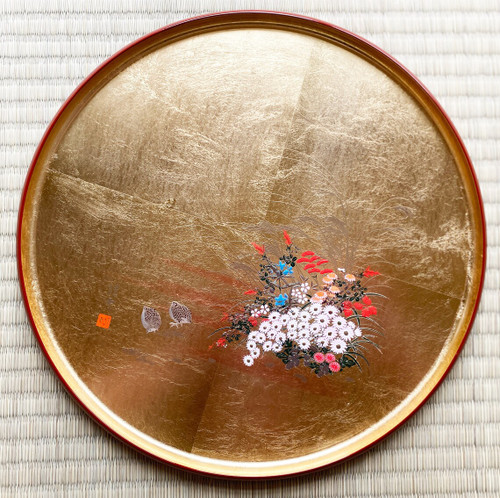
Pick 3 — Yamanaka Round Tray, Gold “Miyabi”. The piece that carries the others — a round Yamanaka tray finished in gold leaf, bright enough to make a simple tea moment feel deliberate. A tray is also the gentlest introduction to lacquer care: it never meets soup or the sink's crowd, asks only for a soft cloth and a shaded shelf, and rewards that little with a surface that lights up a room. (See the tray)
9. Closing
Lacquerware asks for less than its reputation suggests: lukewarm water and a soft touch at the sink, a cloth pass after washing, shade and gentle air in the cupboard, and honest use at the table. Trouble, when it comes, usually has a gentle answer — and a good piece rewards the small habits above by growing more beautiful the longer it is used. If you are choosing a lacquerware piece and wondering how it will fit your daily life, we are always glad to help.
— from Osaka, Team Manekineko-Ai