Art & Craft > Ceramic > Hagi yaki
Cup & Mug
Sake cup & bottle
Tea pot Tea bowl
Plate & Bowl
Flower Vase
Hagi-yaki is a distinguished Japanese ceramic tradition originating in Hagi City, Yamaguchi Prefecture, with over four centuries of history.
Renowned for its soft clay texture, the subtle emergence of fine crackle (“kan’yū”), and the celebrated concept of “nanabake” (the seven transformations of aging ware), Hagi-yaki expresses a refined simplicity that deepens with use.
At Manekineko-Ai, we carefully select authentic Hagi-yaki pieces made by skilled artisans in Yamaguchi. Each vessel is chosen to enrich your tea time or daily table setting with elegant craftsmanship and the gentle beauty that only Hagi-yaki can provide.
History of Hagi-yaki
Hagi-yaki traces its origin to the early Edo period, when the ceramic artisans Lee Shakukō and Lee Kei were invited to Hagi by Lord Mōri Terumoto following the campaigns of Toyotomi Hideyoshi.
Over the centuries, Hagi ware developed as the official kiln of the Hagi domain, and its popularity among tea masters led to the saying “ichiraku, nihagi, santōratsu” (first Raku, then Hagi, then Karatsu).
Characteristics & Techniques
• Soft Clay Body & Warm Texture
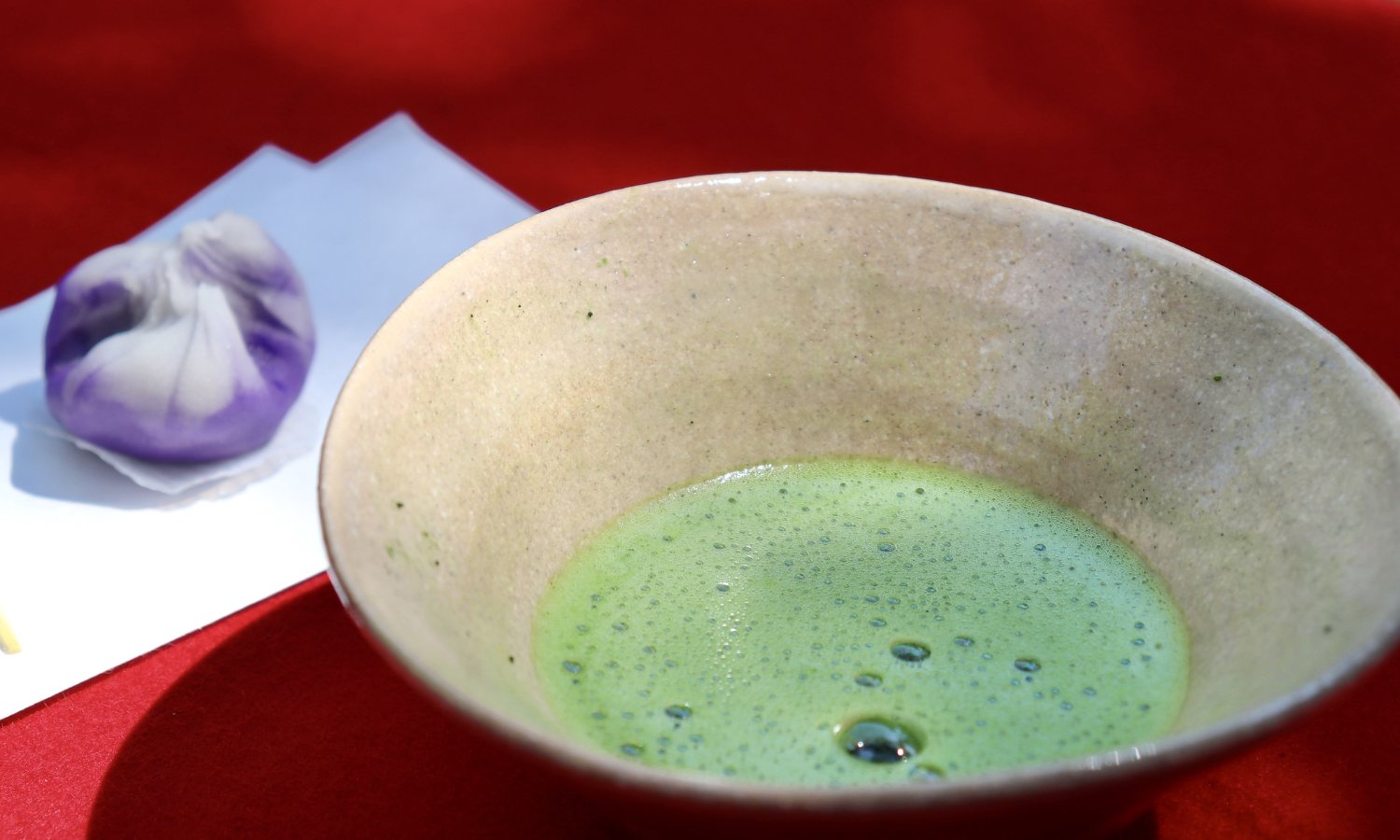
Hagi-yaki uses a blend of local clays and yields a softly fired ware with a warm, mellow surface, enabling tea and liquid to subtly interact with the body.
• Crackle (Kan’yū) & Nanabake (Seven Transformations)
The fine crackle in the glaze allows tea or liquids to seep in, gradually altering the colour and character of the piece—this evolving beauty is known as “nanabake”.
• Minimal Decoration & Subtle Aesthetic
Rather than ornate decoration, Hagi-yaki places emphasis on texture, form, and ageing. The plain yet expressive qualities align with the spirit of wabi-sabi.
• Tea Ceremony Heritage & Modern Tableware Use
Rooted in Japanese tea ceremony, Hagi-yaki now also serves as versatile tableware for modern living, combining tradition with everyday elegance.
When choosing Hagi-yaki, look for pieces with a soft, crackled glaze and warm clay tones. The fine crazing on the surface shows how the glaze and clay interact, and these lines slowly deepen with use — a natural aging process known as “Nanabake.”
For everyday tea or table use, cups and bowls with a gentle matte surface feel warm and comfortable in the hand. For display, choose pieces with unique color transitions or beautiful pooling of the milky glaze, which highlight the charm of Hagi-yaki.
Because Hagi-yaki is slightly porous, it slowly absorbs tea and water over time, creating richer colors and a soft gloss. This makes each piece more personal as it “grows” with you — a special quality that many collectors treasure.