
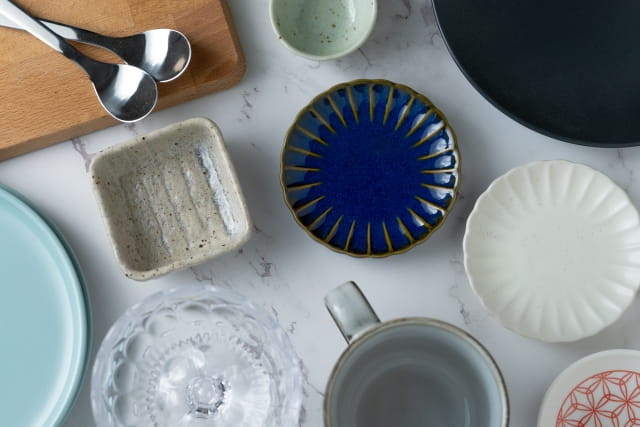
Pick up a bowl made in Japan, and you are holding something shaped by centuries of local knowledge — particular clay, particular water, particular fire. Japanese pottery is not a single tradition but many, each rooted in a specific region, each with its own character and aesthetic logic. A piece from Arita looks nothing like one from Bizen. A cup from Kutani tells a completely different story than one from Shigaraki. Yet all of them share something: the sense that the maker paid close attention to materials, and that the object was made to be used, not merely admired.
This guide introduces the major regional styles of Japanese pottery — where they come from, what makes each one distinct, and how they might find a place in your own everyday life.
What Is Japanese Regional Pottery?
A Country of Kilns
Japan has one of the richest ceramic traditions in the world, built over more than a thousand years. What makes it unusual is its regionality. Rather than a single national style, Japanese pottery developed through dozens of distinct local traditions — each shaped by the clay found nearby, the fuel available for firing, the tastes of local patrons, and centuries of refinement passed from teacher to student.
The term yaki simply means “fired” or “ware,” and it appears in almost every regional name: Arita-yaki, Bizen-yaki, Shigaraki-yaki. Each yaki is a place as much as a style — a living tradition still practised in the town or region that gave it its name.
A Brief History
How Regional Traditions Were Born
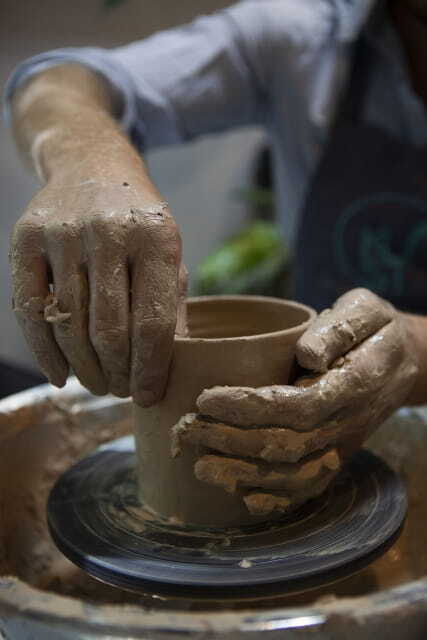
Japan's ceramic history stretches back to the Jomon period — some of the oldest pottery in the world was made on the Japanese archipelago — but the regional traditions most familiar today took shape between the 14th and 17th centuries.
Several factors drove this regional diversity. Japan's mountainous geography meant that communities developed largely in isolation, each working with local materials. The tea ceremony (chado), which rose to cultural prominence in the 15th and 16th centuries, created intense demand for specific kinds of vessels — rough, asymmetric, quietly beautiful — and patrons actively encouraged local kilns to develop distinctive styles.
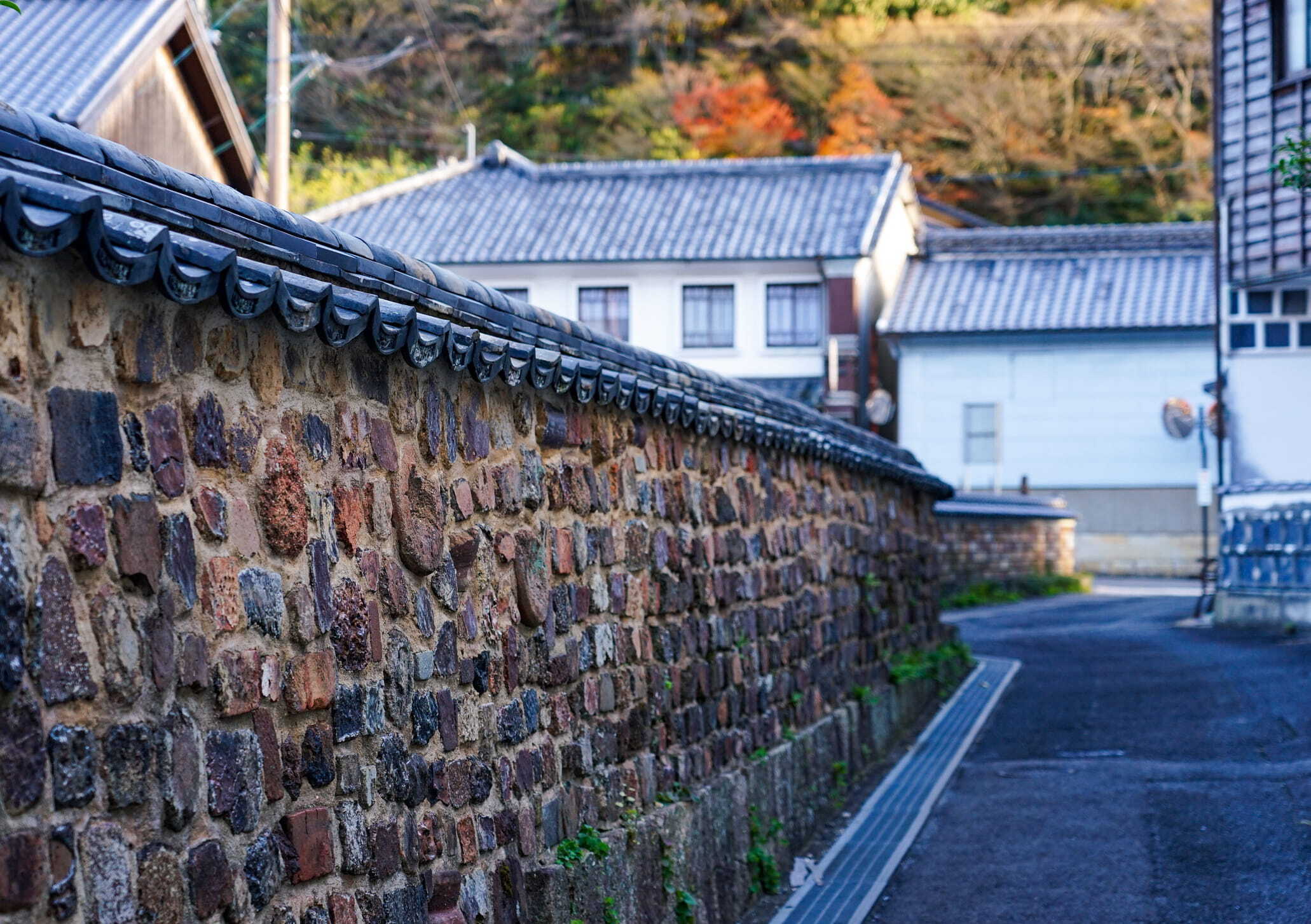
The 17th century brought another turning point. When Korean potters brought knowledge of porcelain-making to Kyushu around 1616 — leading to the founding of the Arita kiln — Japan's ceramic tradition split decisively between the older stoneware traditions of the mainland and the new porcelain centres of Kyushu. Both lines continued developing in parallel, and both are still very much alive today.
Japan's Major Pottery Styles
A Region-by-Region Guide
Arita (Arita-yaki) — Saga Prefecture, Kyushu
Japan's first porcelain, produced since the early 17th century. Known for its crisp white body and hand-painted blue-and-white (sometsuke) or polychrome overglaze designs. Historically exported to Europe as “Imari” ware and deeply influential on Meissen and Delft traditions.
Hasami (Hasami-yaki) — Nagasaki Prefecture, Kyushu
A neighbour of Arita, Hasami has produced everyday porcelain for ordinary households for over 400 years. Today it is one of the most design-forward pottery towns in Japan, producing clean, minimal tableware that sits easily on modern tables.
Kutani (Kutani-yaki) — Ishikawa Prefecture
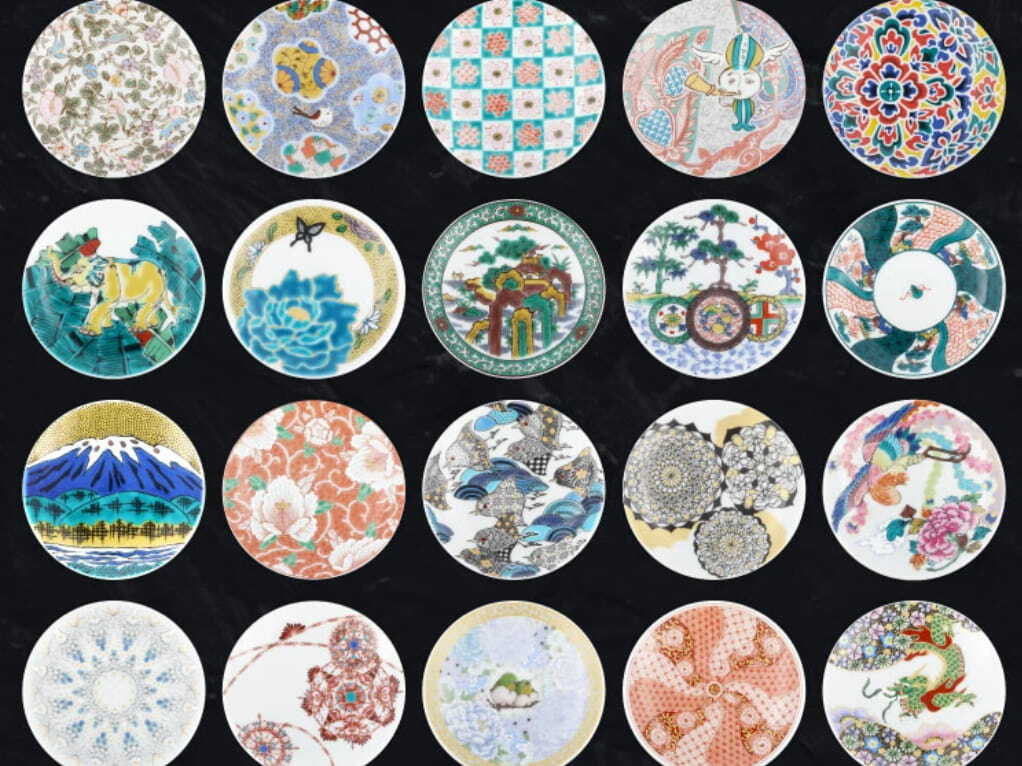
Immediately recognisable for its rich, saturated colours — deep reds, greens, blues, purples, and yellows — applied in bold, highly decorative overglaze enamel. Kutani has a dramatic visual presence unlike almost any other Japanese ceramic style.
Mino (Mino-yaki) — Gifu Prefecture
One of Japan's largest and most varied ceramic traditions. Mino encompasses dozens of sub-styles including Oribe (bold green glaze), Shino (thick milky white glaze), and Ki-Seto (yellow-glazed ware). Mino kilns produce roughly half of all ceramic tableware used in Japan today.
Tokoname (Tokoname-yaki) — Aichi Prefecture
Famous above all for kyusu — the small, side-handled teapots used to brew green tea. Tokoname's distinctive reddish-brown clay contains natural iron content that is said to soften water and enhance the taste of tea. One of Japan's oldest continuous kiln traditions, with roots stretching back nearly 900 years.
Shigaraki (Shigaraki-yaki) — Shiga Prefecture
One of Japan's Six Ancient Kilns. Shigaraki produces rough, warm-toned stoneware with a characteristic sandy texture and natural ash glaze effects created during wood firing. Beloved for its earthy, unpretentious character — it embodies the wabi aesthetic of finding beauty in imperfection.
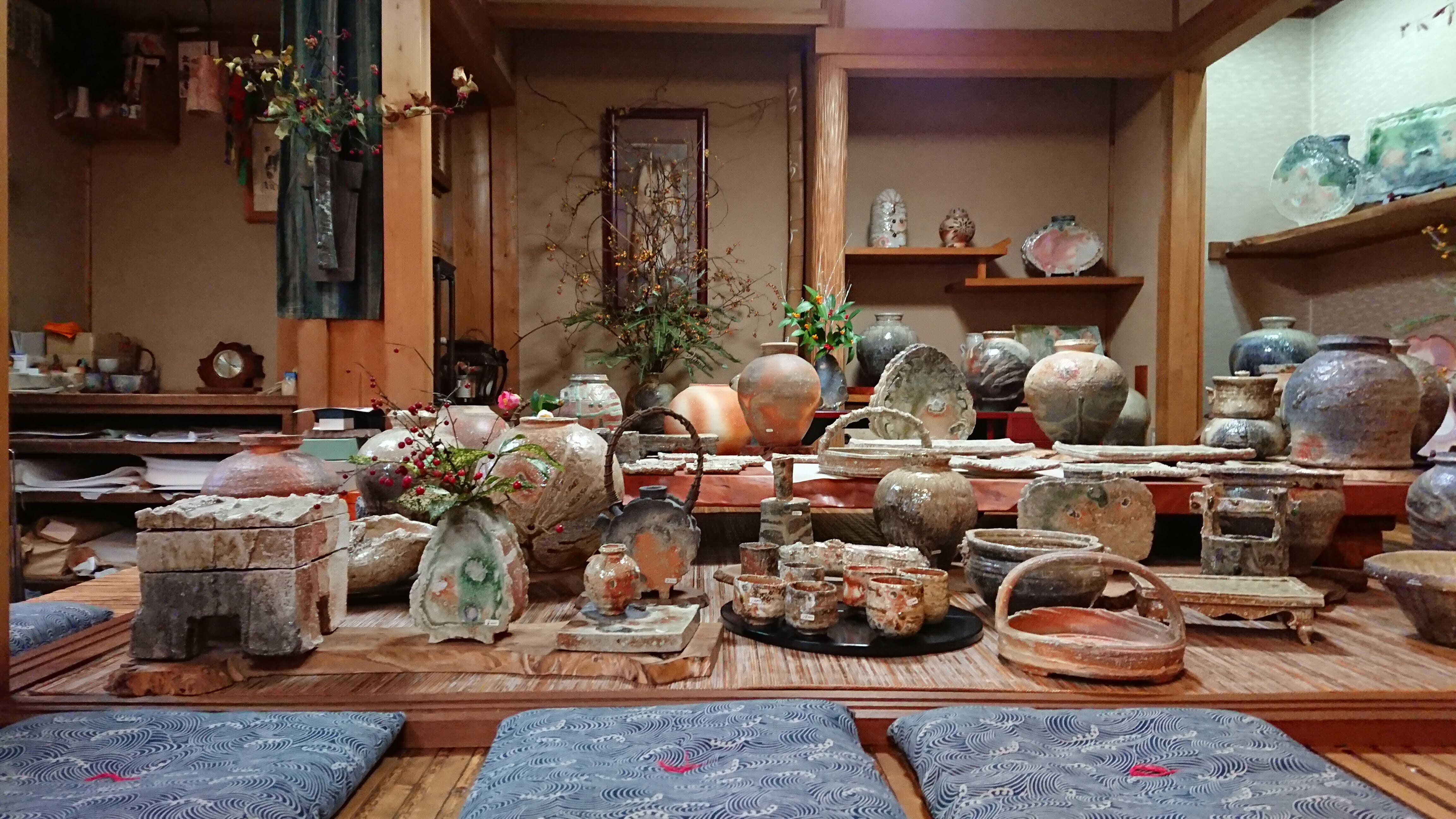
Bizen (Bizen-yaki) — Okayama Prefecture
Perhaps the purest expression of Japanese ceramic philosophy: Bizen is fired without glaze of any kind. Its surface patterns are created entirely by the kiln environment during long wood firings that can last up to two weeks. No two pieces are alike. Deeply associated with the tea ceremony.
Banko (Banko-yaki) — Mie Prefecture
A tradition with roots in the 18th century, Banko ware is particularly known for its heat-resistant clay, which makes it ideal for donabe (Japanese earthenware cooking pots) and teapots. Designed to go on the stove, to hold heat, to be used hard and last long.
Japanese Pottery in Modern Life
Still on the Table, Still in the Studio
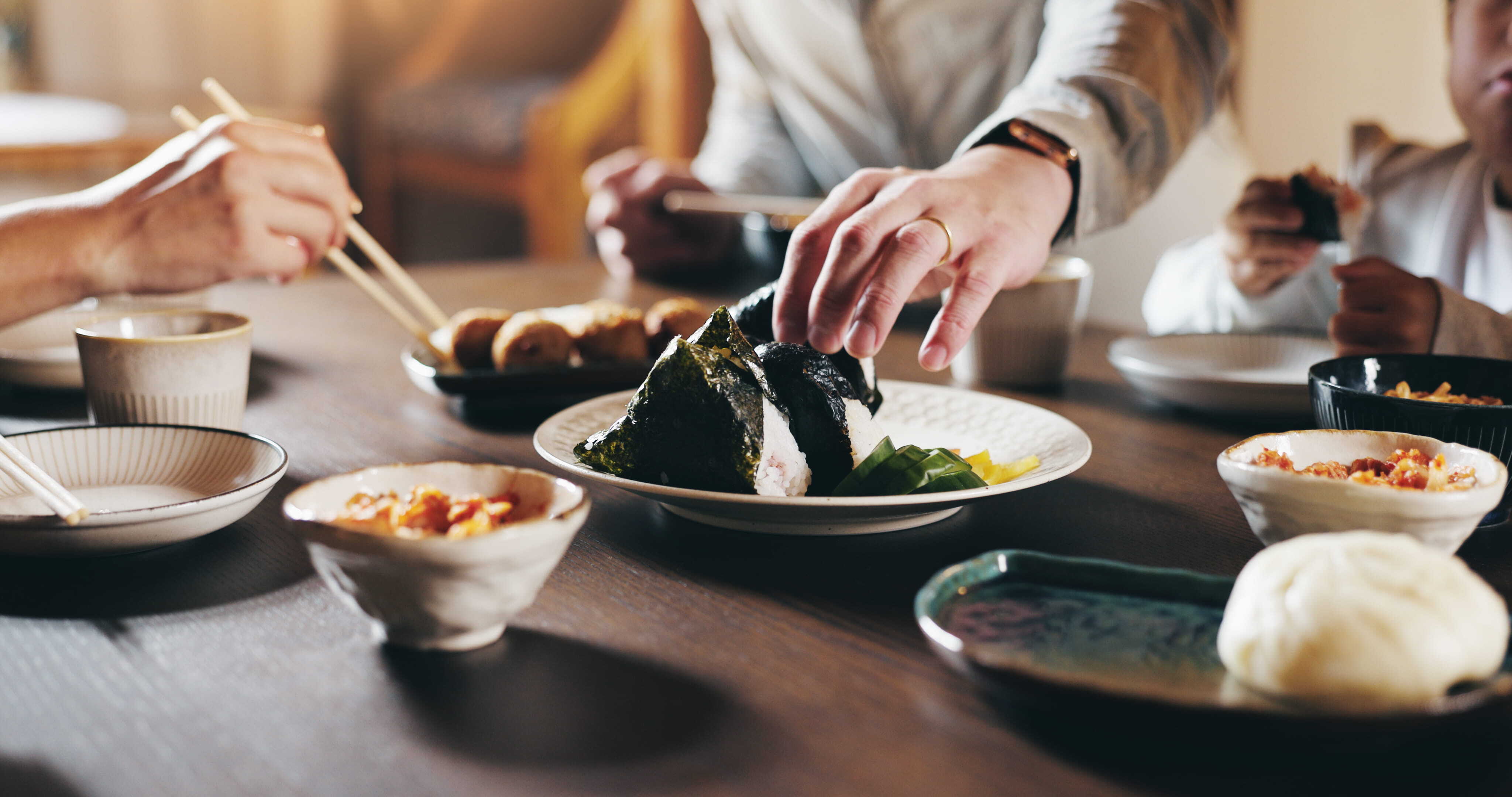
Japan's regional pottery traditions are not museum pieces. Walk into any Japanese kitchen and you will find evidence of several: a Tokoname kyusu for morning tea, Mino yunomi cups beside the sink, a Shigaraki pot on a shelf. Regional pottery shapes the texture of everyday eating and drinking in ways that most Japanese people barely notice — it is simply what tableware looks like.
At the same time, a new generation of ceramicists is working within and across these traditions in interesting ways. Young potters trained in Hasami are producing work that looks more like Scandinavian design than anything historically Japanese. The traditions are alive and changing — which is precisely what has kept them going for centuries.
A Story Worth Knowing
The Six Ancient Kilns
In 1948, a Japanese ceramics scholar named Fujio Koyama identified six kiln sites as Japan's most historically significant continuous pottery traditions. He called them the Nihon Rokkoyo — the Six Ancient Kilns of Japan: Bizen, Shigaraki, Tokoname, Echizen, Tamba, and Seto.
What made these kilns remarkable was their continuity. While many ceramic traditions died out or were disrupted, these six had produced pottery without interruption from medieval times to the present day — each in the same region, using the same basic methods, generation after generation. If you ever visit Japan, each one is worth a detour.
Bringing Japanese Pottery Into Your Life
How to Choose Without Overthinking It
For tea: A Tokoname kyusu is a considered, practical choice — its iron-rich clay genuinely affects the taste of green tea, and a well-made one will last decades.
For the table: Hasami and Mino produce everyday tableware that is affordable, well-designed, and genuinely pleasant to eat from.
For display or gifting: A single Kutani cup or small Arita plate brings colour and visual interest to a shelf or windowsill. These make thoughtful gifts for anyone who appreciates craft.
For atmosphere: A Shigaraki or Bizen vase, rough and unglazed, brings a grounded, natural quality to a room. These pieces age beautifully and become more interesting over time.
Editor's Picks
Two pieces worth knowing — as examples of what these traditions look like in practice today.
The first is a kyusu teapot from Tokoname — made from reddish-brown iron-rich clay, with a fine mesh filter built into the spout. Functional, quiet, shaped by 900 years of tea-making knowledge. This is Japanese pottery at its most purposeful.
The second is a set of everyday bowls from Hasami — thin-walled, lightly glazed, designed to be used daily rather than saved for special occasions. Not precious, not ceremonial, just very well made.
Quick Terms
| Term | Meaning |
|---|---|
| Yaki | Fired ware / ceramics |
| Sometsuke | Blue-and-white underglaze decoration |
| Iro-e | Overglaze enamel decoration in multiple colours |
| Kyusu | Small side-handled teapot for brewing green tea |
| Yunomi | Handleless teacup for everyday use |
| Donabe | Earthenware cooking pot for use on the stove |
| Wabi | Aesthetic of rustic simplicity and quiet beauty |
| Rokkoyo | The Six Ancient Kilns of Japan |
| Oribe | Mino sub-style known for bold green glaze |
| Shino | Mino sub-style known for thick milky-white glaze |
FAQ
Q: What are the different types of Japanese pottery?
Japanese pottery is organised primarily by region of origin, each with its own materials, techniques, and aesthetic character. Major traditions include Arita and Hasami (porcelain, Kyushu), Kutani (richly coloured overglaze ware, Ishikawa), Mino (diverse stoneware styles, Gifu), Tokoname (iron-rich clay, famous for teapots, Aichi), Shigaraki (rough wood-fired stoneware, Shiga), Bizen (unglazed stoneware, Okayama), and Banko (heat-resistant clay, Mie). Each tradition is still actively practised in its region today.
Q: What is the most famous Japanese pottery?
Several traditions compete for this title depending on context. Arita ware is arguably the most internationally recognised, having been exported to Europe since the 17th century under the name “Imari.” Within Japan, Mino ware is the most widely used — its kilns produce roughly half of all ceramic tableware in the country. Among collectors and tea ceremony practitioners, Bizen and Shigaraki carry particular prestige. Japan's ceramic tradition is too rich and varied for a single “most famous” — it depends what you are looking for.
Q: What are the 5 types of ceramics?
In materials science, ceramics are generally classified into five broad categories: earthenware (porous, low-fire clay), stoneware (denser, higher-fire clay), porcelain (fine white kaolin clay, fired at very high temperatures), bone china (porcelain with added bone ash), and terracotta (a type of earthenware, typically unglazed). Japanese pottery spans several of these: Arita and Hasami are porcelain; Mino, Shigaraki, and Bizen are stoneware; Banko cooking pots are earthenware. The distinction matters for care — porcelain is generally more delicate than stoneware, while unglazed pieces like Bizen change character with use.
All pieces mentioned in this article are intended as cultural references. Explore our collection of Japanese ceramics at Manekineko Ai → (URL)