
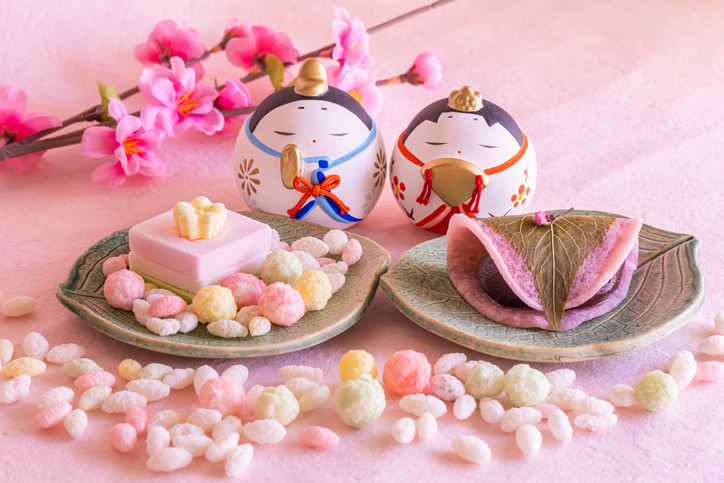
Hinamatsuri, celebrated on March 3, is Japan’s gentle spring festival of wishes and blessings. Learn what it means, what Japanese people do on March 3, and how ceramic lovers can enjoy the season through tableware and craft.
What is Hinamatsuri?
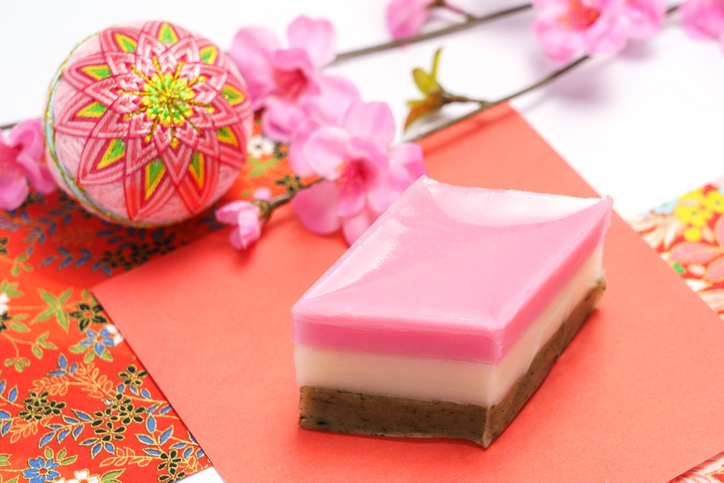
Hinamatsuri (ひな祭り), often translated as the Doll Festival or Girls’ Day, is a traditional Japanese celebration held on March 3. Families mark the arrival of spring by displaying hina dolls, decorating with peach blossoms, and sharing seasonal foods. At its heart, Hinamatsuri is a quiet, beautiful expression of hope—for health, happiness, and well-being.
The Meaning Behind the Dolls
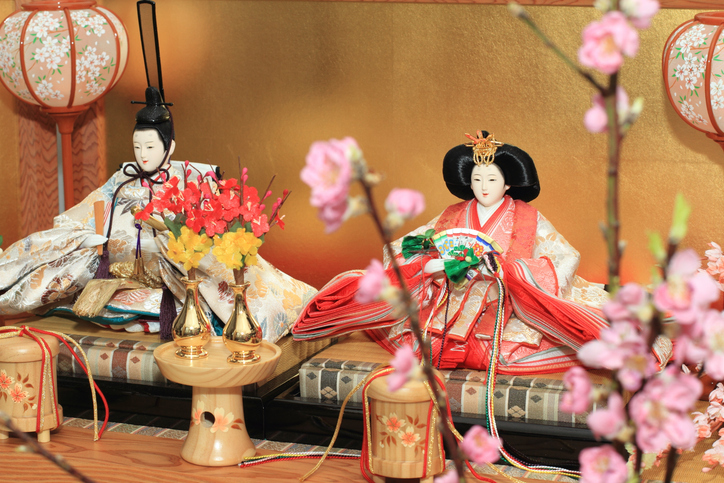
Hina dolls are more than decorative figures. They reflect a long-standing cultural idea of protection and blessings—a symbolic way of wishing for a child’s safe growth. Over time, hina displays evolved into elegant arrangements inspired by traditional court attire and ceremony, creating the timeless spring scene we recognize today.
Modern homes may choose a grand tiered display or a compact set for a small shelf—either way, the intention remains the same: to welcome spring with warmth, care, and gratitude.
Why Hinamatsuri Feels Special to Ceramic & Tableware Collectors
Hinamatsuri is one of those Japanese traditions where craftsmanship naturally becomes part of the celebration. Seasonal foods are colorful and delicate, and the mood is soft and refined—perfect for Japanese ceramics that highlight texture, glaze, and balance.
- Spring color harmony: pale pinks, whites, soft greens, and gentle gold accents complement the season
- Small dish culture: side plates, tiny bowls, and sauce dishes shine in a Hinamatsuri setting
- Gift appeal: meaningful seasonal pieces make thoughtful presents for collectors and Japan-lovers
- Display + use: ornaments and tableware can be enjoyed visually and in everyday life
Classic Hinamatsuri Foods (and How to Serve Them Beautifully)
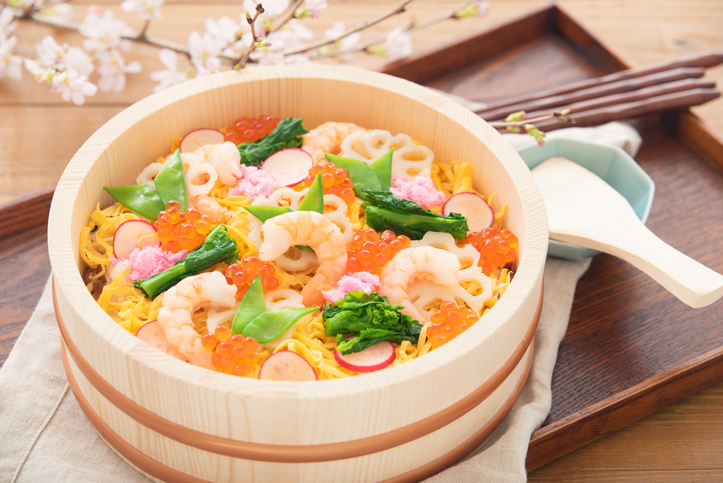
Many families enjoy a festive table with dishes that feel bright and springlike:
- Chirashi sushi — vibrant and celebratory, perfect on a wide platter
- Clam soup — light and elegant, best served in a refined bowl
- Hina arare — colorful sweets that look lovely in a small dish
- Amazake — a gentle sweet drink, ideal in a small cup or yunomi
For collectors, this is a wonderful moment to create a seasonal table setting—mixing one statement piece (a serving platter or bowl) with smaller supporting dishes that highlight glaze and craftsmanship.
How to Celebrate Hinamatsuri at Home (Even Outside Japan)
You don’t need a large display to enjoy Hinamatsuri. A simple seasonal corner is enough:
- Display a compact hina doll set on a shelf, entryway, or sideboard
- Add peach blossoms—or any spring flowers for a similar atmosphere
- Serve a simple meal using your favorite Japanese ceramics
- Choose a meaningful spring gift that carries a story
Hinamatsuri celebrates spring in a way that feels gentle and personal—and that makes it especially compatible with collecting: pieces you return to each year, creating a tradition of your own.
Featured: Hina Doll Sets as Seasonal Craft Décor
For collectors, hina dolls can be both a seasonal display and a craft object to appreciate year after year. Here are two styles that bring the Hinamatsuri spirit into your space—refined, giftable, and easy to display.
Kutani-yaki Hina Doll Pair (Purple Glaze & Floral Motifs)
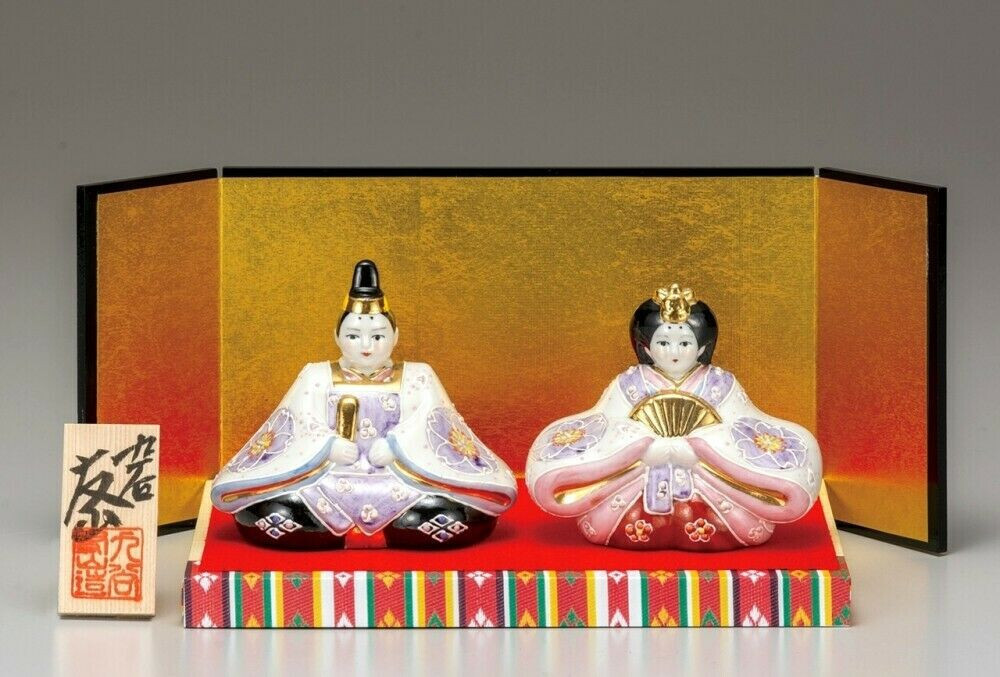
Welcome spring with a refined Kutani-yaki hina doll pair finished in a soft purple glaze. Set against a shimmering gold screen, the gentle expressions and floral accents create a calm, elegant presence—perfect for a seasonal shelf display.
- Quiet elegance: soft purple tones and delicate floral details
- Collector-friendly: a display piece that feels timeless, not seasonal-only
- Gift-ready: meaningful for spring celebrations and Japan craft lovers
Seto-yaki Hinamatsuri Doll Set (Multi-Figure Scene)
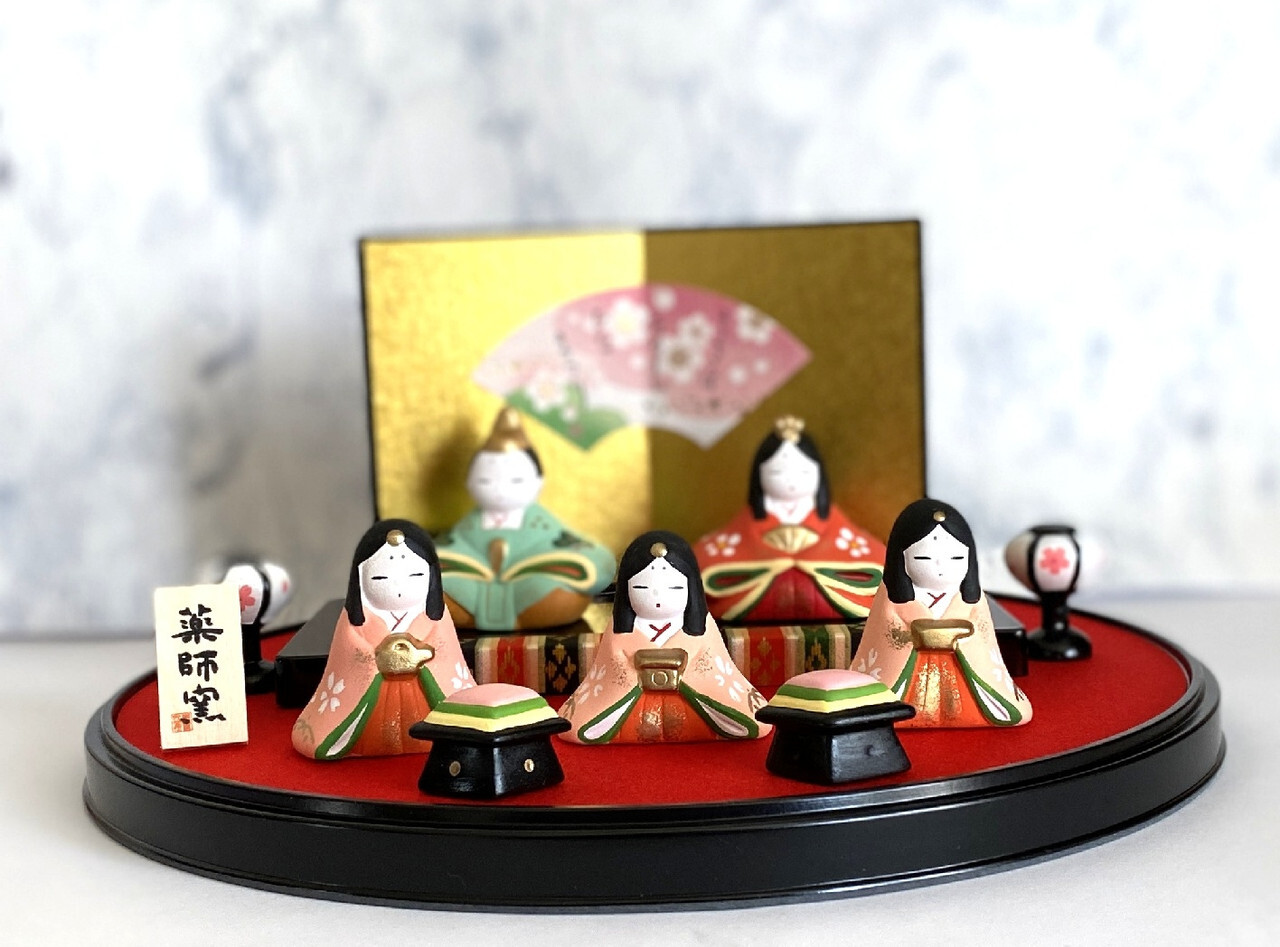
This charming Seto-yaki doll set creates a complete festive scene on a classic red platform. With multiple figures and warm hand-crafted character, it’s an inviting way to enjoy Hinamatsuri—especially for smaller spaces.
- Full festival mood: a complete scene in one compact set
- Warm craftsmanship: friendly expressions and colorful detail
- Easy to display: perfect for shelves, desks, and apartment décor
Understanding Hinamatsuri (Doll Festival)
What is the meaning of Hinamatsuri?
Hinamatsuri is a traditional Japanese spring celebration held on March 3. It is a day to express wishes for children’s healthy growth, happiness, and well-being. Families display hina dolls as symbolic guardians and decorate with seasonal elements such as peach blossoms.
What do Japanese people celebrate on March 3?
On March 3, many Japanese families celebrate Hinamatsuri—also known as the Doll Festival or Girls’ Day. It marks the arrival of spring and is often celebrated by displaying hina dolls, decorating the home, and enjoying special seasonal foods.
What is the festival of Hinamatsuri?
Hinamatsuri is a spring festival centered on displaying hina dolls inspired by traditional court attire. The festival is commonly celebrated with a gentle seasonal atmosphere—peach blossoms, festive foods like chirashi sushi and clam soup, and a table setting that highlights the beauty of Japanese craftsmanship.
PIECES IN THIS ARTICLE
Two pieces from this article
CONTINUE READING
MORE IN FESTIVALS →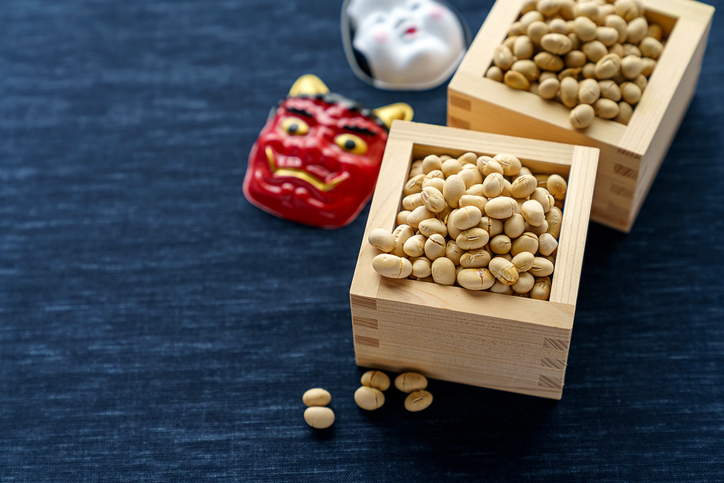 FESTIVALS & SEASONS
Setsubun in Japan: Bean-Throwing, Oni, Ehomaki, and a Seasonal Table in Early February
Setsubun in early February, with bean-throwing, oni, ehomaki and a seasonal table.
FESTIVALS & SEASONS
Setsubun in Japan: Bean-Throwing, Oni, Ehomaki, and a Seasonal Table in Early February
Setsubun in early February, with bean-throwing, oni, ehomaki and a seasonal table.
 FESTIVALS & SEASONS
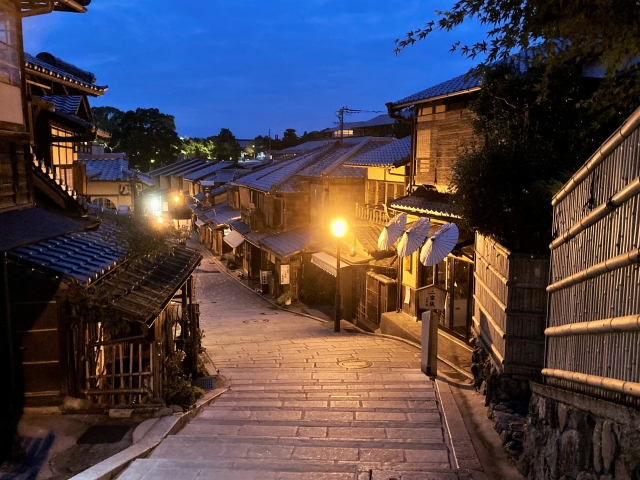
A Quiet Japanese Year-End: Resetting Your Home, Welcoming the New “Eto,” and Saying Thank You
Japan's quiet year-end: resetting the home, welcoming the new eto, and saying thank you.
FESTIVALS & SEASONS
A Quiet Japanese Year-End: Resetting Your Home, Welcoming the New “Eto,” and Saying Thank You
Japan's quiet year-end: resetting the home, welcoming the new eto, and saying thank you.
 FESTIVALS & SEASONS
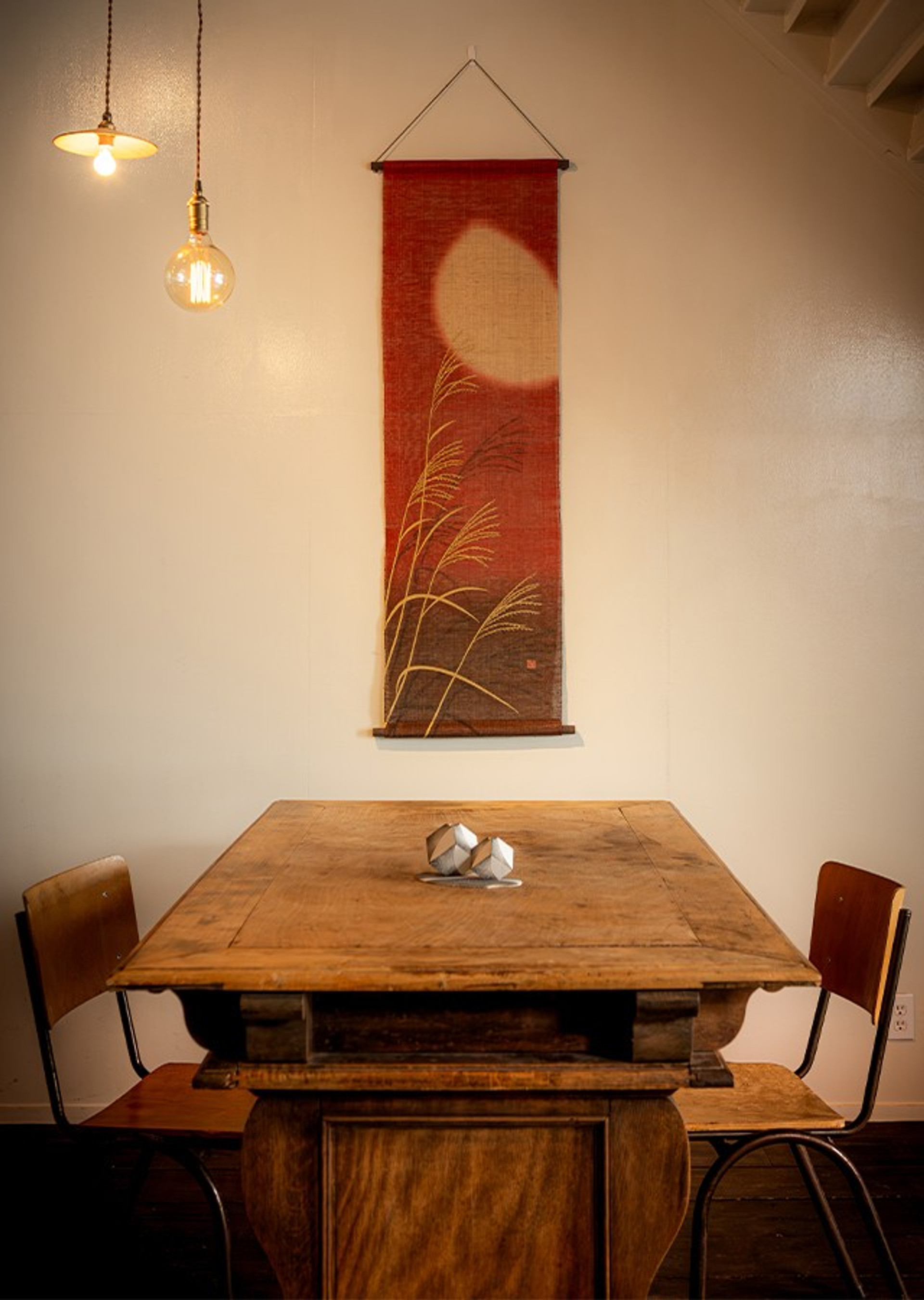
Bring Japanese Autumn Home: Curated Tapestries with Seasonal Stories
Kyoto tapestries for autumn: the moon, pampas grass, rabbits and maple leaves, and the stories behind them.
FESTIVALS & SEASONS
Bring Japanese Autumn Home: Curated Tapestries with Seasonal Stories
Kyoto tapestries for autumn: the moon, pampas grass, rabbits and maple leaves, and the stories behind them.