
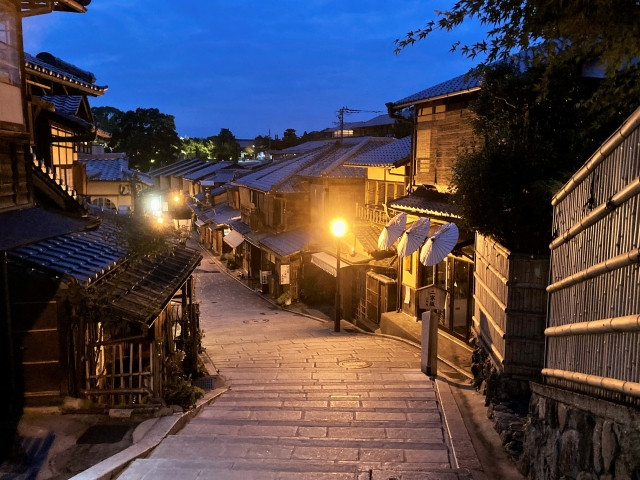
In Japan, the year doesn’t end with a loud countdown. It ends with small, intentional actions—cleaning, arranging, and caring for the everyday tools that support our lives. This gentle “reset” is also the doorway to the Japanese zodiac, known as Eto (干支), a tradition that frames the New Year as a fresh cycle rather than a simple date change.
Japan’s Year-End Is a Season of “Quiet Maintenance”
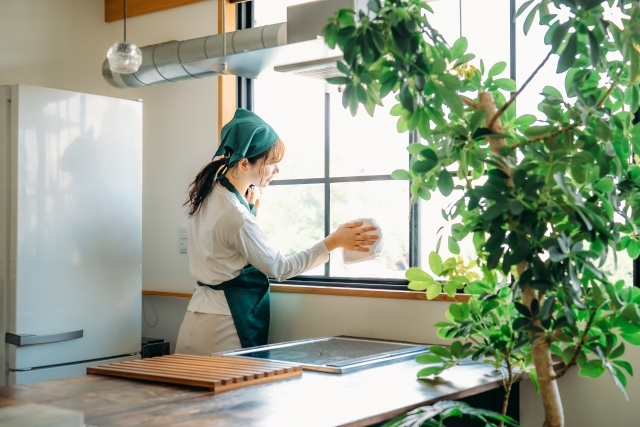
In many cultures, the end of the year is about celebration. In Japan, it can be about restoring order. Homes become a little calmer. People organize, wipe down shelves, fold away seasonal items, and make space for the next chapter.
This isn’t about perfection—it’s about respect. Respect for time, for the home, and for the tools that quietly carry our daily routines. For anyone who loves ceramics and tableware, this feeling is familiar: a good bowl isn’t only “pretty.” It’s a companion in everyday life.
Cleaning Isn’t Only Cleaning: It’s a Way of Honoring Tools
One reason Japanese year-end feels so distinct is that “preparation” often includes what we might call care culture: caring for objects, repairing what can be repaired, and keeping what matters in good condition. That care can be especially meaningful for handmade items—like pottery, lacquerware, or metal crafts—because they are created to be used.
For ceramic lovers, a year-end reset can look like this:
- Rotate your favorite pieces back into daily use (a plate shouldn’t live only in a cabinet).
- Review what you truly reach for—keep what supports your life, not only what looks good in photos.
- Wash and dry carefully; let pieces rest fully before storing.
- Choose one “New Year set” of tableware—just a small selection that makes meals feel intentional.
A Note of Gratitude: Thank You for Finding Manekineko-Ai

This year, we were truly moved by the fact that people around the world discovered our shop—sometimes through a single photo, sometimes through a story, sometimes through the quiet beauty of a handmade piece.
Whether you are a ceramic lover, a tableware collector, or simply someone who appreciates thoughtful craftsmanship: thank you. Your messages, your curiosity, and your care for Japanese making traditions give meaning to what we do.
For the New Year: A Small Ritual That Feels “Japanese” (Without Being Too Religious)
If you’d like a simple year-end / New Year moment that fits the Japanese mood—quiet, personal, and grounding—consider sound. Not loud music. Not a big ceremony. Just a small, clear tone that signals: “I’m here. I’m ready.”
In Japan, subtle sound tools have long been used to mark transitions—before tea, before prayer, before focus. For many international customers, this idea is appealing because it can be appreciated as mindfulness, not as religion.
Product Note (Just a Little): A Gentle “Reset” Sound from Takaoka
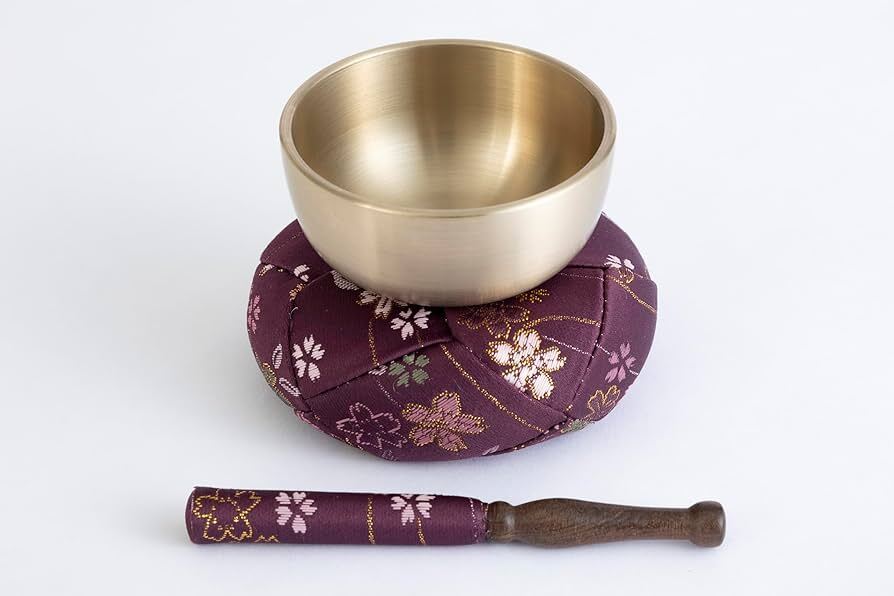
At ManekinekoAi, one item we quietly recommend for the New Year is a small orin bell made in Takaoka, a town known for metal craftsmanship. The tone is soft—ideal for a calm home and easy to introduce to guests.
- Why it works for a global audience: it’s peaceful, minimalist, and not overly symbolic.
- How to use it: ring once before tea, journaling, meditation, or simply to begin your day.
- How to describe it: “A Japanese sound for centering the mind before a new cycle (Eto) begins.”
If you’re building a New Year table setting or a small seasonal corner at home, pairing a quiet sound tool with your favorite ceramics can create a surprisingly meaningful atmosphere—without changing your entire space.
About Japan’s Year-End & New Year Holidays (Q&A)
Q1. How long is the year-end and New Year holiday in Japan?
In general, many companies and government offices in Japan close from December 29 to January 3, making it a six-day holiday period. However, for the 2024–2025 season, the calendar aligns favorably, and many workplaces enjoy an extended holiday from Saturday, December 28 to Sunday, January 5, resulting in a nine-day break.
Q2. Is January 2, 2025 a holiday in Japan?
Yes. While January 2 is not an official national holiday, government offices and banks are closed under Japanese administrative and banking regulations. Many private companies also observe this day as a holiday.
Q3. Is January 3 a holiday?
Yes. January 1 to January 3 are known as the Sanganichi — the three most important New Year days in Japan. During this time, many shops and businesses remain closed.
Q4. Is January an off-season in Japan?
It depends on the timing.
- Early January (New Year period): High season
Travel activity is very high due to homecomings and vacations. Transportation and accommodation prices increase, and reservations are harder to secure. - Mid to late January: Off-season (best value period)
After the New Year holidays end, travel slows down significantly. Flights and hotels become more affordable, and popular destinations feel calmer — except for winter sports areas such as Hokkaido and Nagano, which remain busy.