
侘び寂び — Beauty in imperfection, impermanence & simplicity
In short, wabi-sabi is the Japanese art of finding beauty in imperfection, impermanence, and simplicity. It's not a decorating trend — it's a centuries-old philosophy that can genuinely change how you see your home and your life.
Definition
What Is Wabi-Sabi?
Wabi-sabi is a compound of two words:
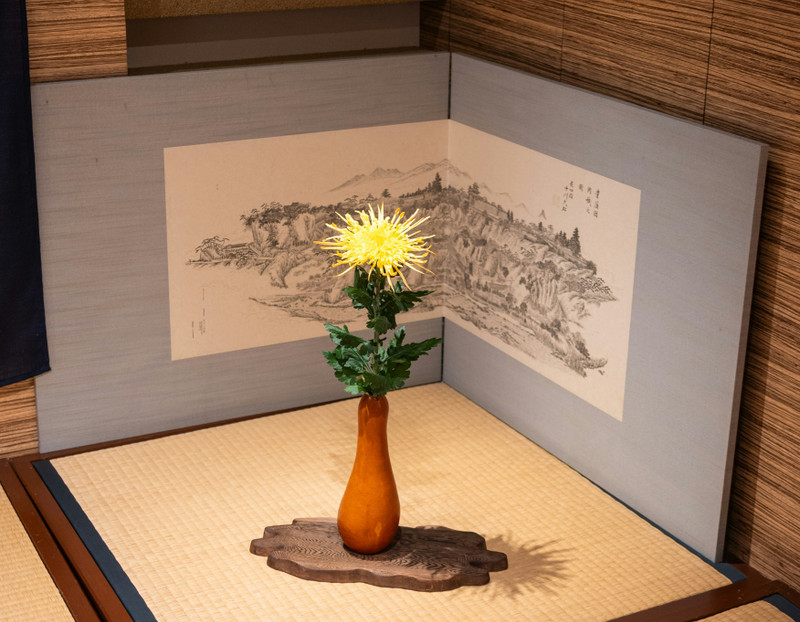
- Wabi (侘) — the beauty found in simplicity, rusticity, and quiet solitude. Think of a single wildflower in a plain clay vase.
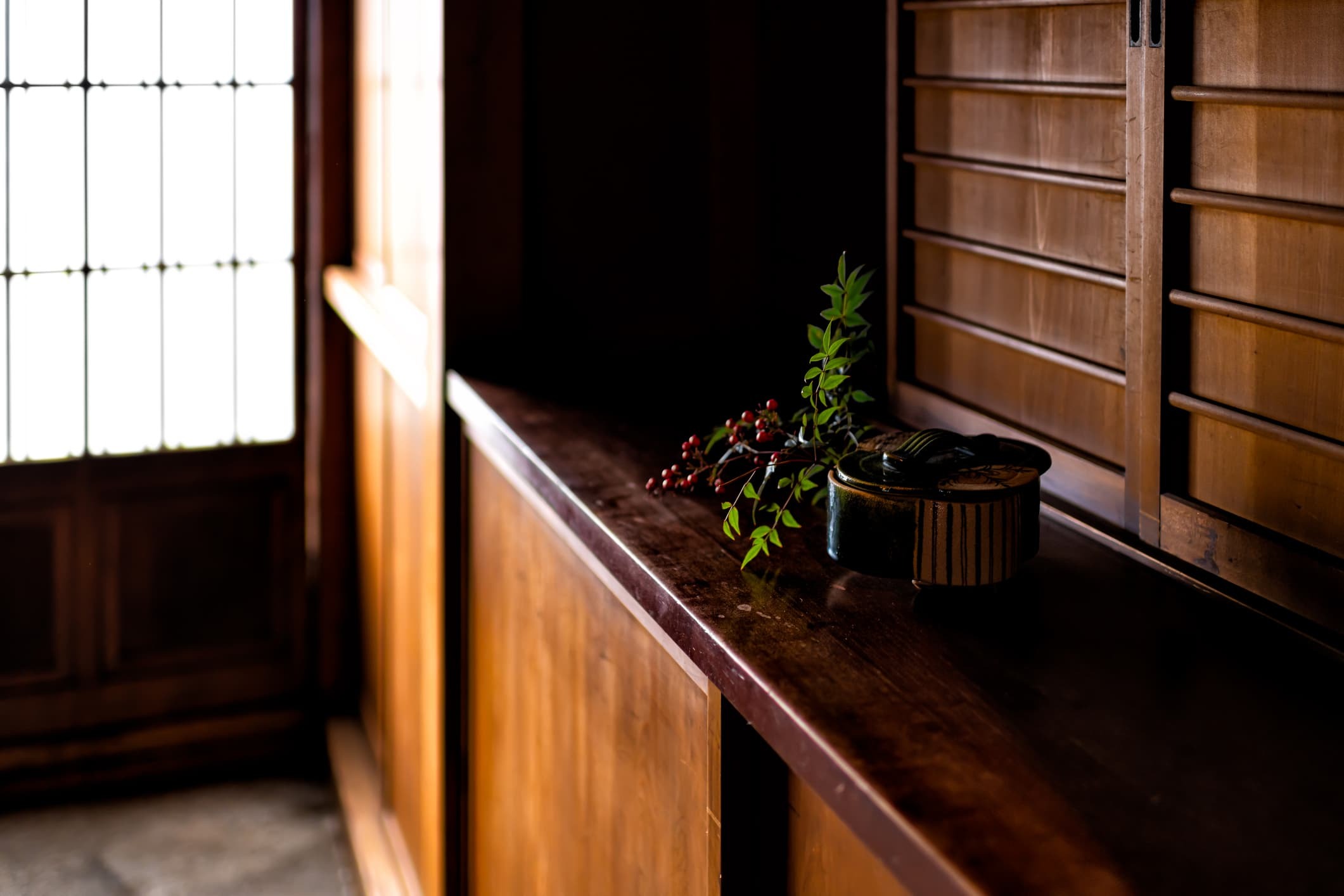
- Sabi (寂) — the beauty that comes with age, wear, and the passage of time. Think of a moss-covered stone lantern in a garden.
Together, wabi-sabi teaches us that nothing lasts, nothing is finished, and nothing is perfect — and that's exactly what makes things beautiful. This philosophy is deeply rooted in Zen Buddhism and has shaped Japanese art, architecture, tea ceremony, and everyday living for over 500 years.
In plain English: wabi-sabi means stop chasing perfection. Embrace the worn, the simple, and the natural.
Core Characteristics
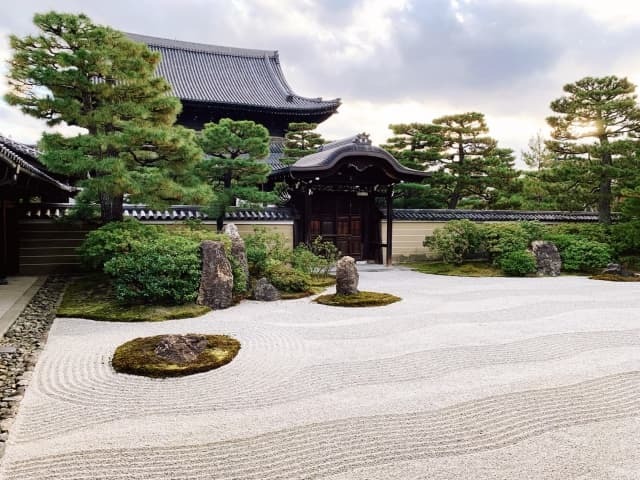
- Asymmetry — slightly uneven shapes feel more alive than perfect ones
- Roughness — handmade textures over machine-made smoothness
- Simplicity — only what is necessary; nothing more
- Naturalness — materials like wood, clay, linen, and stone
- Transience — seasonal decorations that change with time
- Incompleteness — a little empty space is part of the design
The Seven Principles
What Are the 7 Principles of Wabi-Sabi?
These seven principles describe a collective atmosphere — not a checklist, but a mood to aim for.
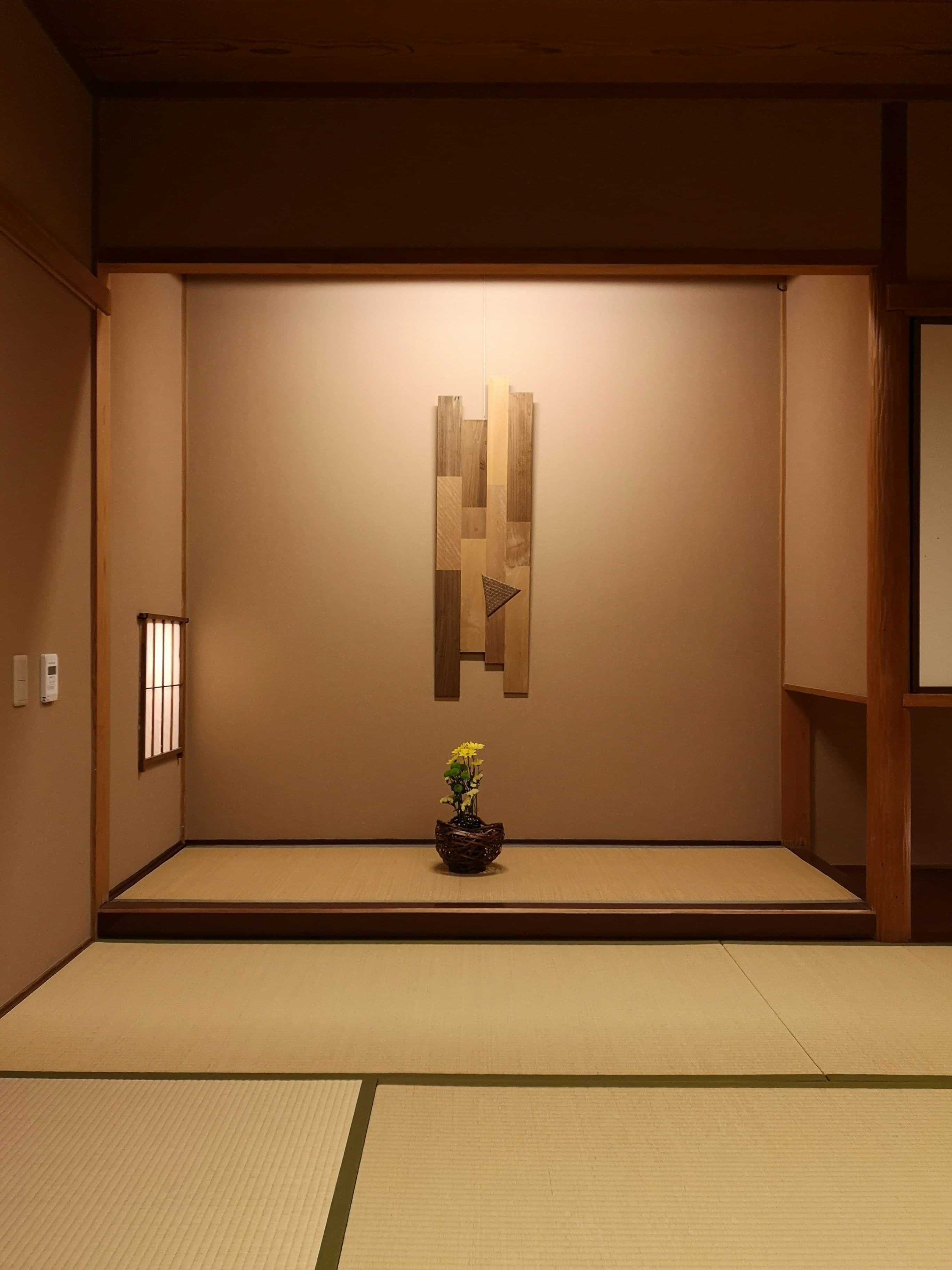
Remove the unnecessary. Every object must earn its place.
Reject perfect balance. Life is asymmetrical — so is great design.
Understated, not showy. Elegance that reveals itself slowly.
Without forced effort. Let materials be what they are.
A sense of mystery beneath the surface. Not everything explained.
Break convention. Surprise is a form of beauty.
Stillness, calm, and silence. The opposite of noise.
The Three Core Principles
The Simplified View
If seven feels like a lot, wabi-sabi really comes down to three ideas:
Accept impermanence — like cherry blossoms that fall after a week.
Leave room for growth, change, and becoming.
Celebrate flaws — they are where character lives.
The Wabi-Sabi Rule
Is There One?
If it looks too perfect, add nothing. If it looks too empty, take something away.
More practically: less is more, and natural is best. Choose one meaningful object over five decorative ones. Let wood show its grain. Let linen wrinkle. Let pottery show the fingerprints of its maker.
Practical Guide
How to Bring Wabi-Sabi into Your Home
You don't need to redecorate everything. Wabi-sabi is about attitude as much as aesthetics.
1. Choose Natural Materials
Swap synthetic fabrics for linen, cotton, or hemp. Choose ceramic over plastic. Pick up a piece of driftwood or a smooth stone and let it sit on a shelf — that's wabi-sabi.
2. Hang a Noren — Japanese Fabric Divider
A noren is one of the most wabi-sabi objects you can bring into your home. Made from natural linen or cotton, often in muted indigo or earth tones, a noren divides space softly without closing it off. It moves with the breeze, has texture, and ages beautifully.
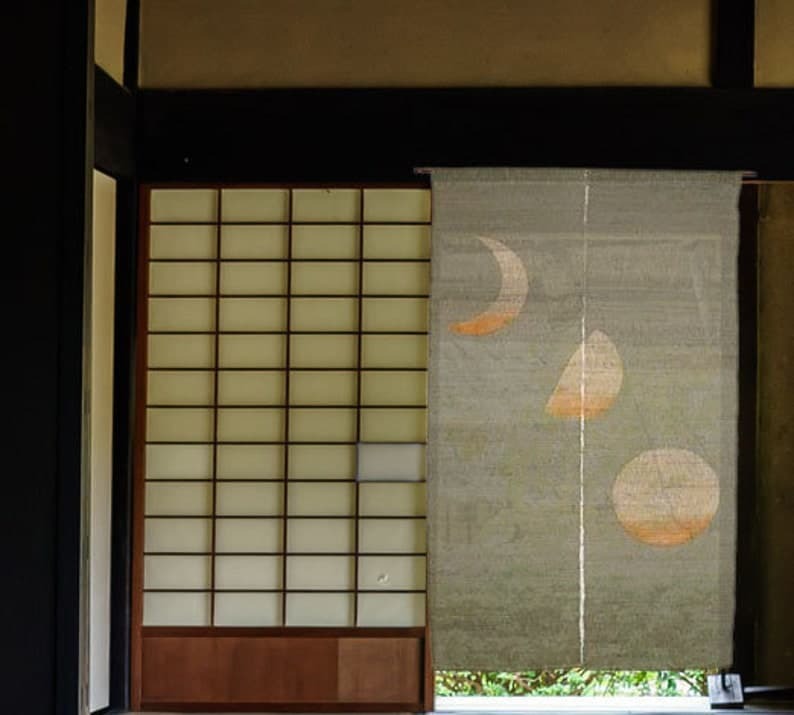
→ Explore handcrafted Japanese noren at manekineko-ai.com
3. Embrace Asymmetry in Your Arrangements
Resist the urge to center everything. Place objects slightly off-center. Leave deliberate empty space — in Japan, this emptiness is called ma (間), and it is considered just as important as the objects themselves.
4. Let Seasonality Guide Your Decor
Swap out a small seasonal item — a wind chime in summer, a dried branch in autumn, a simple candle in winter. Changing your space with the seasons keeps it feeling alive and intentional.
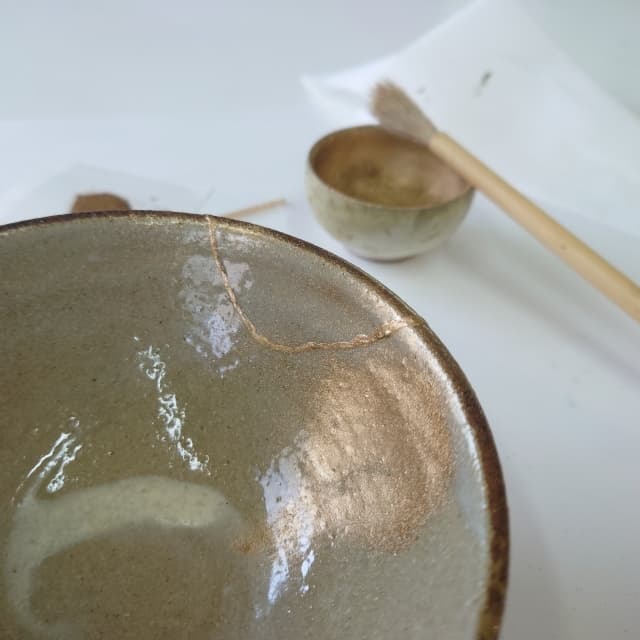
5. Repair Instead of Replace — Kintsugi
The Japanese art of kintsugi (金継ぎ) — repairing broken pottery with gold — is wabi-sabi in its purest form. A crack repaired with care becomes the most beautiful part of the object.
6. Edit Ruthlessly
Walk through one room and remove three things that don't feel necessary. Wabi-sabi spaces breathe. Clutter is the opposite of wabi-sabi.
Editor's Picks
Wabi-Sabi Objects for Your Home

暖簾 · Noren
Japanese Fabric CurtainsHandwoven linen in indigo or earth tones. Softens beautifully with age.
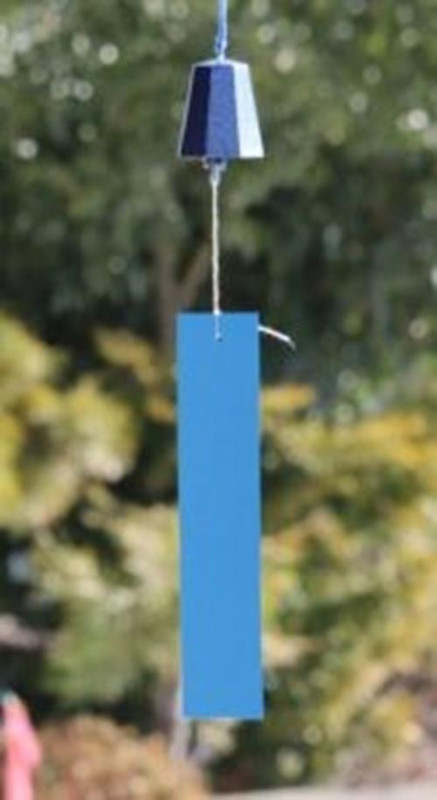
風鈴 · Furin
Japanese Wind ChimesCast iron or ceramic. The sound fades naturally — a reminder of impermanence.

陶器 · Ceramic
Handmade VesselsUneven glazing, finger marks, small cracks — the definition of wabi-sabi.
Glossary
Quick Terms
| Japanese | Reading | Meaning |
|---|---|---|
| 侘び寂び | Wabi-sabi | Beauty in imperfection and impermanence |
| 間 | Ma | Meaningful empty space |
| 金継ぎ | Kintsugi | Repairing with gold; beauty through repair |
| 暖簾 | Noren | Japanese split curtain / fabric divider |
| 風鈴 | Furin | Wind chime |
| 自然 | Shizen | Naturalness; without forced effort |
| 簡素 | Kanso | Simplicity; removing the unnecessary |
FAQ
Frequently Asked Questions
Q: What is the wabi-sabi rule?
There is no single official rule, but wabi-sabi is guided by one clear principle: embrace imperfection rather than fight it. In practical terms, this means choosing natural over synthetic, handmade over machine-made, and simple over ornate. When something shows its age — a worn wooden floor, a faded linen curtain, a chipped tea bowl — wabi-sabi says: that's not a flaw, that's a story. The "rule," if there is one, is to stop trying to make everything perfect and start noticing what's already beautiful in its natural, imperfect state.
Q: What are the 7 principles of wabi-sabi?
The seven principles most associated with wabi-sabi are: Kanso (simplicity), Fukinsei (asymmetry), Shibui (subtle beauty), Shizen (naturalness), Yugen (profound mystery), Datsuzoku (freedom from convention), and Seijaku (tranquility). These aren't strict rules — they describe a collective atmosphere. A wabi-sabi space just needs to feel honest, quiet, and grounded in nature.
Q: What are the three principles of wabi-sabi?
At its core, wabi-sabi rests on three philosophical truths drawn from Zen Buddhism: nothing lasts (impermanence), nothing is finished (incompleteness), and nothing is perfect (imperfection). These aren't pessimistic ideas — they're liberating ones. Accepting that your home doesn't need to be perfectly styled, that your ceramic mug is more beautiful with a small chip, and that the linen curtain you love will keep softening with age — that's wabi-sabi lived in practice.
Explore our collection of handcrafted Japanese home goods
manekineko-ai.com →