
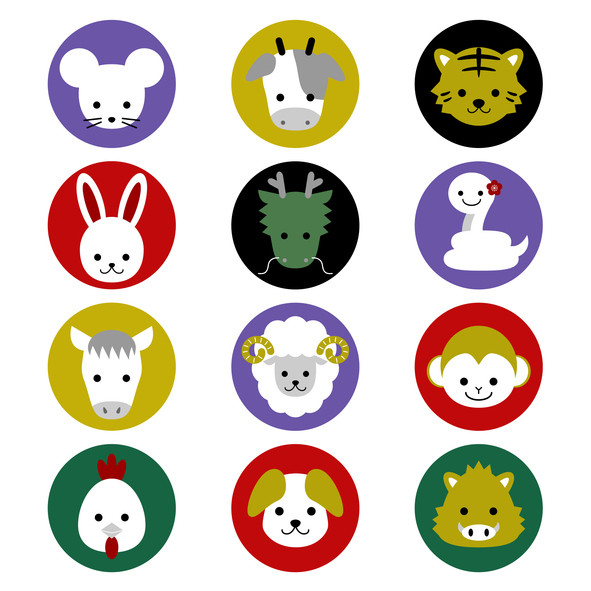
Learn what the Japanese Zodiac (Eto) actually is: a time-keeping system that combines Ten Heavenly Stems and Twelve Earthly Branches in a 60-year cycle. We also share a short folk tale and two craft picks (Dragon noren & Horse mug for 2026) that ceramic and tableware lovers can enjoy at home.
In Japan, the Eto (Japanese zodiac) is first and foremost a calendar system — not star-sign astrology. Today we mostly use it to name the year (for example, “Year of the Dragon”), but historically it also labeled months, days, hours, and directions. If you keep that in mind, the rest becomes very simple.
1) The Basics: Ten + Twelve = Sixty
Eto combines two small cycles:
- Ten Heavenly Stems (Jikkan): 甲, 乙, 丙, 丁, 戊, 己, 庚, 辛, 壬, 癸 (10 items)
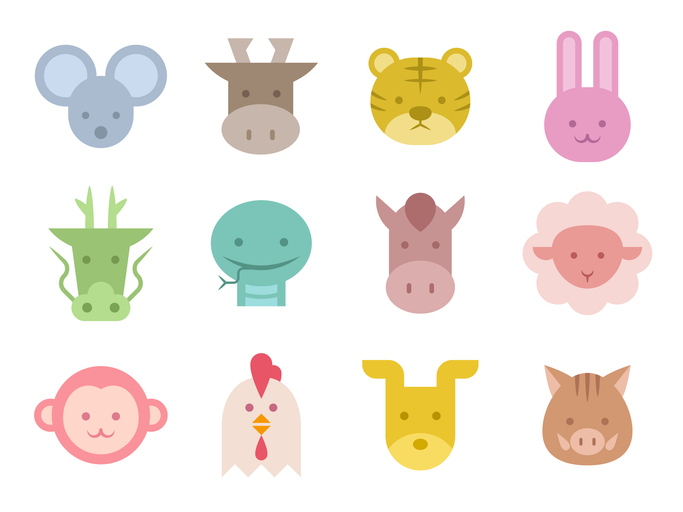
- Twelve Earthly Branches (Junishi): 子 (Ne/Rat), 丑 (Ushi/Ox), 寅 (Tora/Tiger), 卯 (U/Rabbit), 辰 (Tatsu/Dragon), 巳 (Mi/Snake), 午 (Uma/Horse), 未 (Hitsuji/Sheep/Goat), 申 (Saru/Monkey), 酉 (Tori/Rooster), 戌 (Inu/Dog), 亥 (I/Boar) — 12 items
Run both wheels together and the original pairing returns every 60 years. This is the famous Sexagenary Cycle (六十干支). Coming back to your birth pairing after 60 years is called kanreki (還暦).
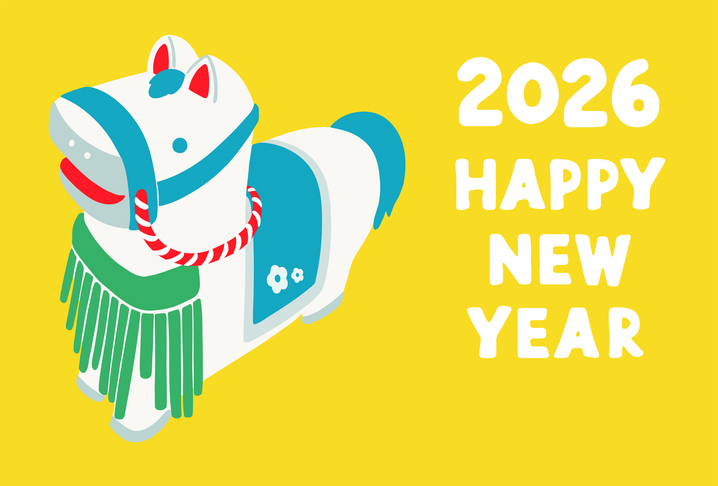
Examples (for orientation): 2024 = 甲辰 (Dragon), 2025 = 乙巳 (Snake), 2026 = 丙午 (Horse).
2) From Ancient China to Everyday Japan
Eto originated in ancient China as a practical way to organize time for farming and official records. It reached Japan by the Nara period and gradually moved from court calendars to daily life. Over the centuries it became the everyday label for the year and remains part of New Year customs, crafts, and design.
3) Not Only the Year: Months, Days, Hours, Directions
- Year: each new year advances one stem and one branch (…甲子 → 乙丑 → 丙寅…).
- Day: days also carry Eto and repeat in a 60-day loop (often seen in old documents).
- Hour: a day was divided into 12 “double hours” like 子 (about 23:00–01:00), 卯 (05:00–07:00), 午 (11:00–13:00).
- Direction: the compass can be labeled with branches: N = 子, E = 卯, S = 午, W = 酉; the diagonals are 丑寅, 辰巳, 未申, 戌亥.
4) A Short Folk Tale: The “Great Race”
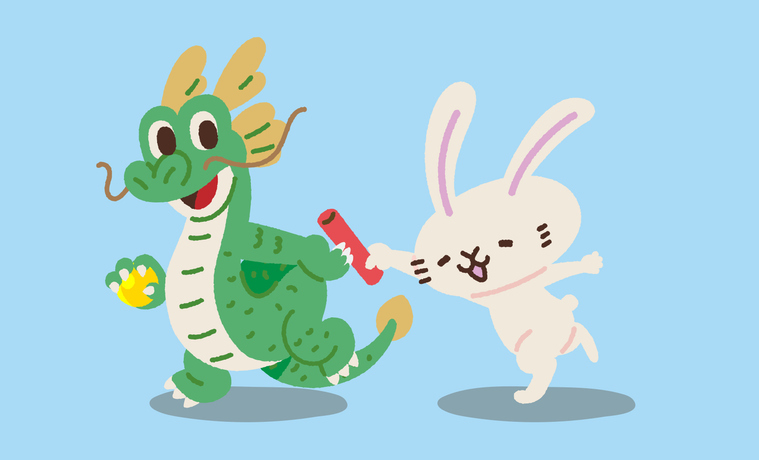
One popular way to remember the order is a simple tale. A deity announces: “Come to me on New Year’s morning; the order you arrive decides the years.” All the animals dash off before dawn. The Rat secretly rides on the diligent Ox and hops down right at the finish — first! Then come Ox, Tiger, Rabbit, Dragon, Snake, Horse, Sheep, Monkey, Rooster, Dog, and finally Boar. It’s a mnemonic more than a history lesson, but it’s a charming way to remember 子 → 丑 → 寅 → … → 亥.
Enjoy the story as part of the culture — it’s there to make the system memorable.
5) When Does the New Eto Begin?
In modern Japan the new Eto starts on January 1. Because the system has roots in the old lunisolar calendar, some East Asian regions switch at the Lunar New Year (Spring Festival). So for January–February birthdays, you may see different handling in different sources — but for everyday use in Japan, January 1 is standard.
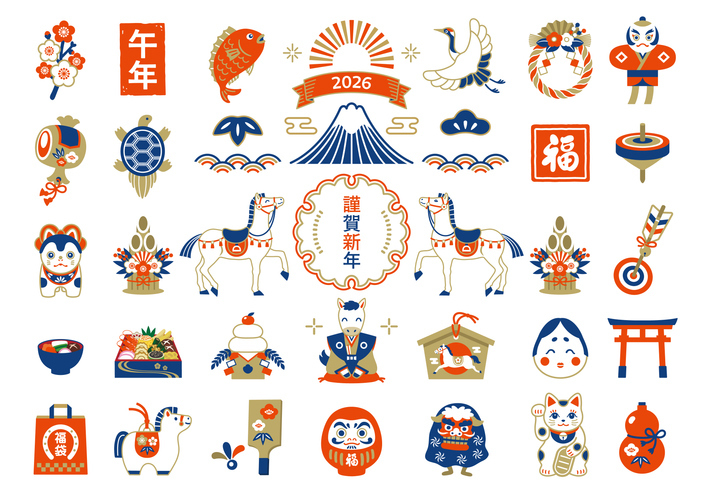
Bring Eto into Your Space: Editor’s Picks
A small seasonal piece can make the idea of Eto feel real at home. Below are two easy, gift-friendly ways to enjoy it — one for today and one looking ahead to 2026.
① Linen Noren “Ink Dragon” — A Calm Statement for the New Year
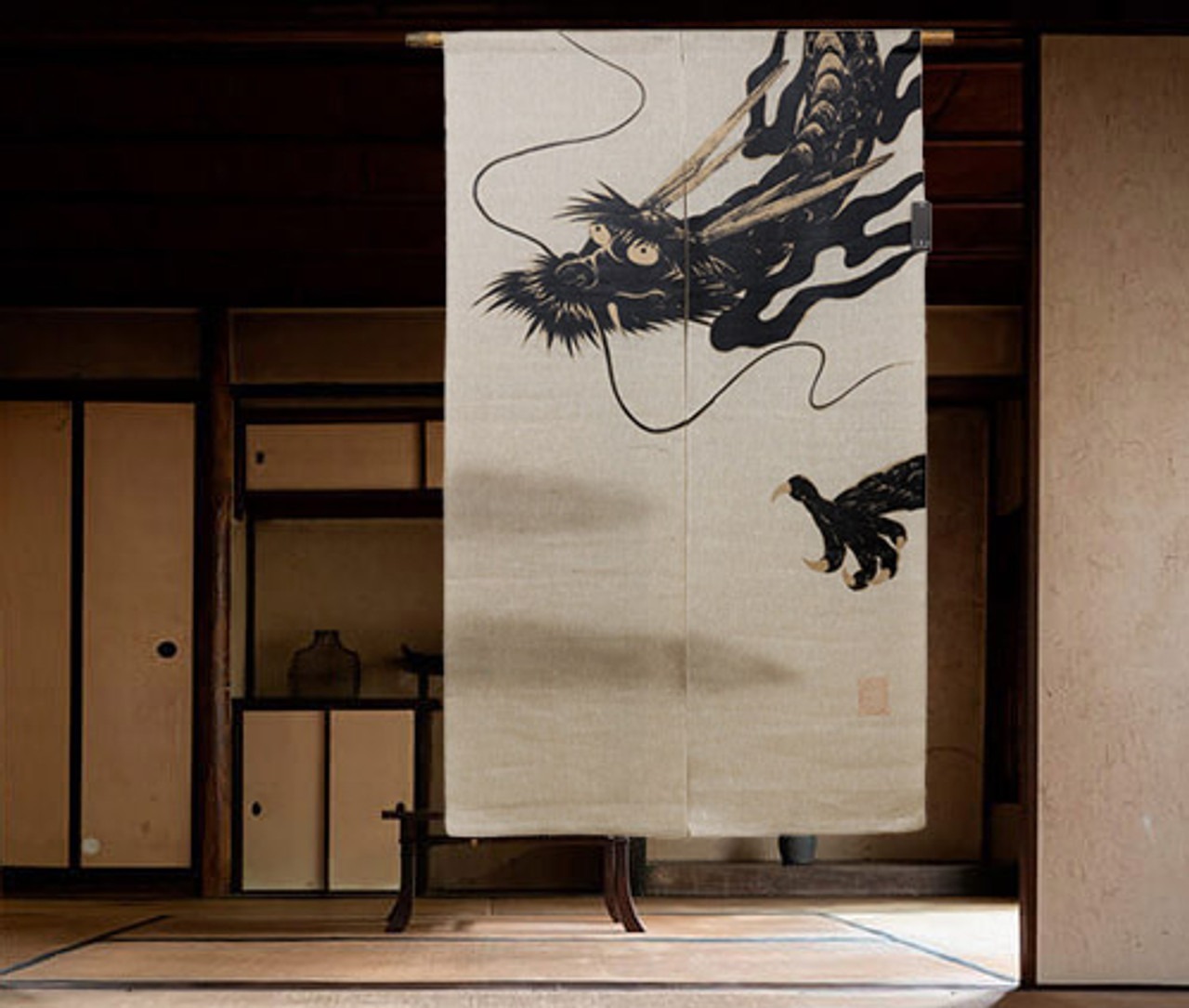
- Quiet, natural ground that fits both modern and traditional interiors
- Ideal at an entryway, living room, or tea corner; easy, rental-friendly décor
- Makes a strong seasonal focal point for photos and gatherings
② Horse Motif Porcelain Mug — Ready for 2026 Year of the Horse
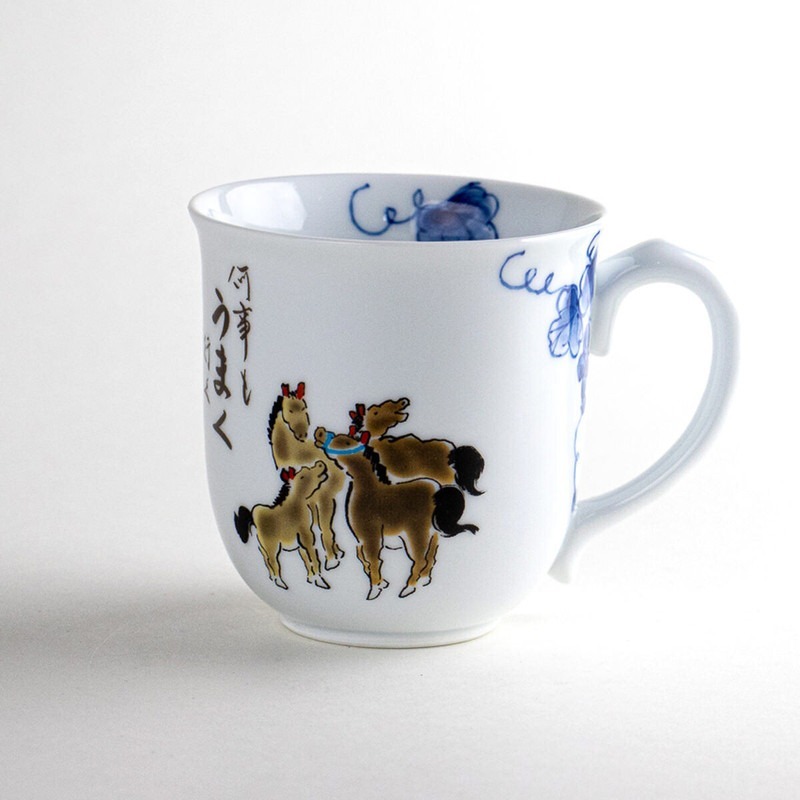
- Cheerful horse artwork that suits breakfast tables and office desks
- Gift-friendly size and weight; ships well for international gifting
- Perfect as we head toward 2026 (Hinoe-Uma / Year of the Horse)
Quick Terms (for Non-Japanese Readers)
- Eto = Japanese zodiac (calendar labels).
- Junishi = Twelve animals.
- Jikkan = Ten Heavenly Stems.
- Sexagenary Cycle = 60-year cycle (六十干支).
- Year names are often written as “Year of the Dragon / Rabbit / …”.
Eto is simply a beautiful way to name time. Once you see it that way, the animals, the story, and the yearly crafts become an easy, enjoyable doorway into Japanese culture — at home, at the table, and in daily life.
FAQ – Understanding the Japanese Zodiac (Eto)
Are Japanese and Chinese zodiacs the same?
Similar Roots, Different Daily Use
While the systems began in ancient China and share many of the same animals, they are not completely identical. In Japan, the zodiac is called Eto and it is, above all, a time-keeping system, not a horoscope.
Eto combines the Twelve Earthly Branches (the 12 animals) with the Ten Heavenly Stems to create a 60-year cycle that labels years and, historically, also months, days, hours, and directions. Today in Japan, people mainly use it to name the year – for example, “Year of the Dragon”.
China, Korea, and Vietnam use related systems, but each region has its own customs, stories, and small differences in naming. For example, the animal for “亥” is usually translated as Boar in Japan, but often as Pig in Chinese contexts. So the two zodiacs are better seen as cousins than perfectly identical twins.
What are the 12 zodiac signs in Japanese?
The Twelve Animals of Eto
The Japanese zodiac uses twelve animals, each connected to one year in a repeating 12-year cycle. They are written with a Chinese character (the Earthly Branch) and pronounced with Japanese animal names:
- Rat 子 (Nezumi / Ne)
- Ox 丑 (Ushi)
- Tiger 寅 (Tora)
- Rabbit 卯 (Usagi / U)
- Dragon 辰 (Tatsu)
- Snake 巳 (Mi / Hebi)
- Horse 午 (Uma)
- Sheep 未 (Hitsuji)
- Monkey 申 (Saru)
- Rooster 酉 (Tori)
- Dog 戌 (Inu)
- Boar 亥 (Inoshishi / I)
These twelve animals also belong to the wider 60-year Eto cycle, where each animal combines with one of the Ten Heavenly Stems. In everyday Japan you will see them on New Year cards, lucky charms, temple decorations, and seasonal crafts – and people often say, "I'm a Dragon" or "I'm a Horse," meaning the animal of their birth year.
How do I find my Japanese zodiac?
Finding Your Eto Animal
The simplest way is to start with your birth year and match it to the animal in the 12-year cycle. The animals repeat, so people born in 1996, 2008, or 2020 are all Year of the Rat.
There are a few easy methods:
- Use a birth-year chart: Many charts list years under each animal (Rat, Ox, Tiger, etc.). Find your year and read off the animal.
- Use an online Eto / zodiac calculator: Enter your birth year and the tool will show your animal instantly.
In modern Japan, the new Eto year starts on January 1, so most people simply use the calendar year. In some East Asian traditions, the zodiac year changes at Lunar New Year. This means that if you were born in January or early February, different websites may give different answers. For everyday life in Japan, however, treating January 1 as the start of the new animal year is completely standard.