

Kutani ware from Ishikawa Prefecture is Japan’s iconic iro-e (color-painted) porcelain. This guide walks beginners through the essentials—the Five Kutani Colors, the production process, signature styles, and everyday use—so you can appreciate both its artistry and practicality.
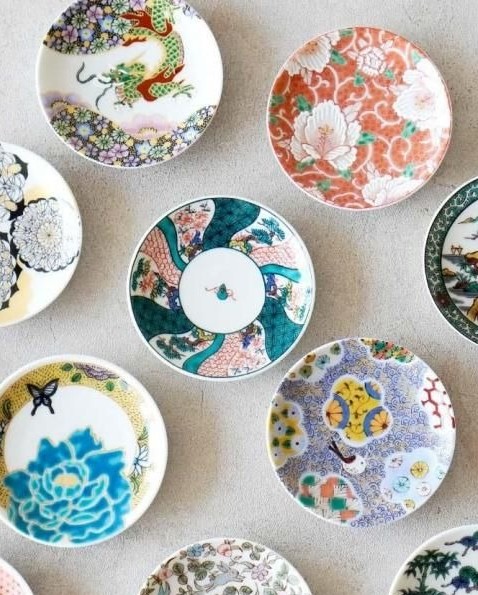
Overview: Defining Features of Kutani Ware
Origin: Southern Ishikawa Prefecture (Kaga area—Nomi, Komatsu, Kaga). Body: Primarily a white, porcelain-like substrate.
Hallmark: After glazing and high-temperature firing, artisans paint on the surface (overglaze) and fire again at a lower temperature. The celebrated Five Kutani Colors—red, yellow, green, purple, and ultramarine—create the distinctive brilliance.
Range of expression: From ultra-fine Aka-e Saibyō (red linework), stoic Aochibu (blue stippling), sumptuous Kinsai (gold), to lavish Hanazume (all-over florals).
Tip: Kutani is both an art object and a daily-use tableware. Start with pieces you’ll really use—rice bowls, yunomi (teacups), or small plates.
History (Rekishi): From Old Kutani to the Present
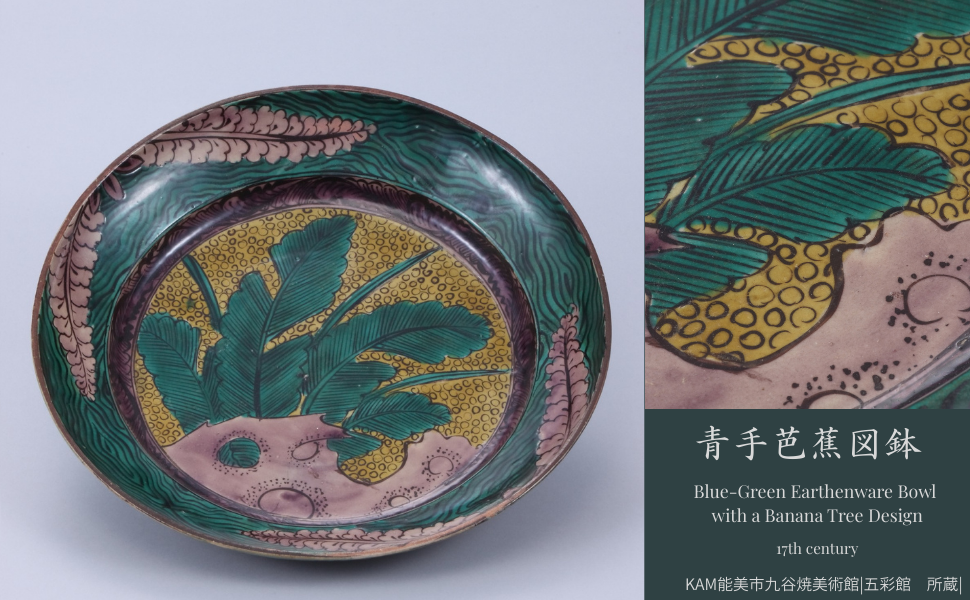
Old Kutani (mid-17th century)
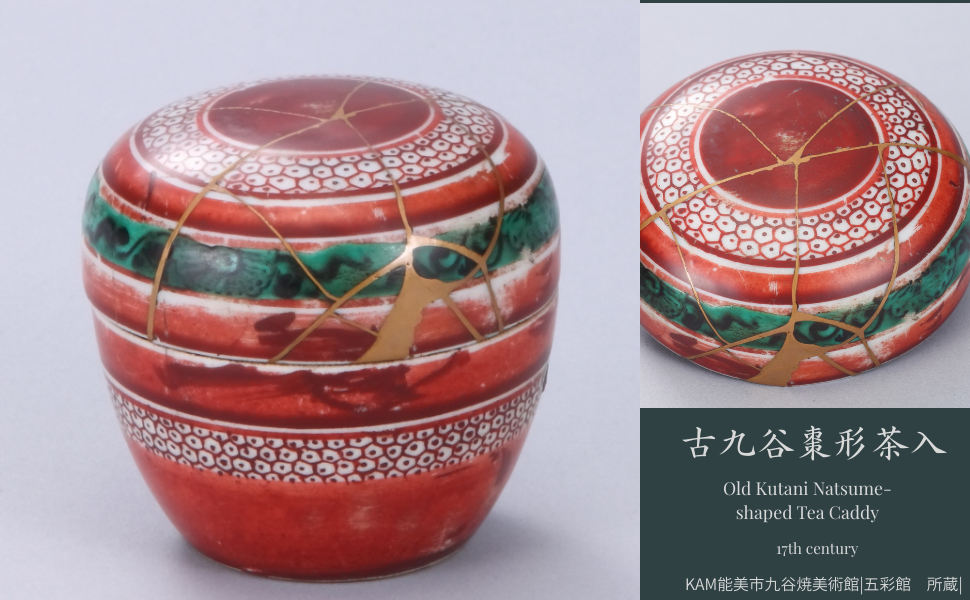
Revived Kutani (late Edo)
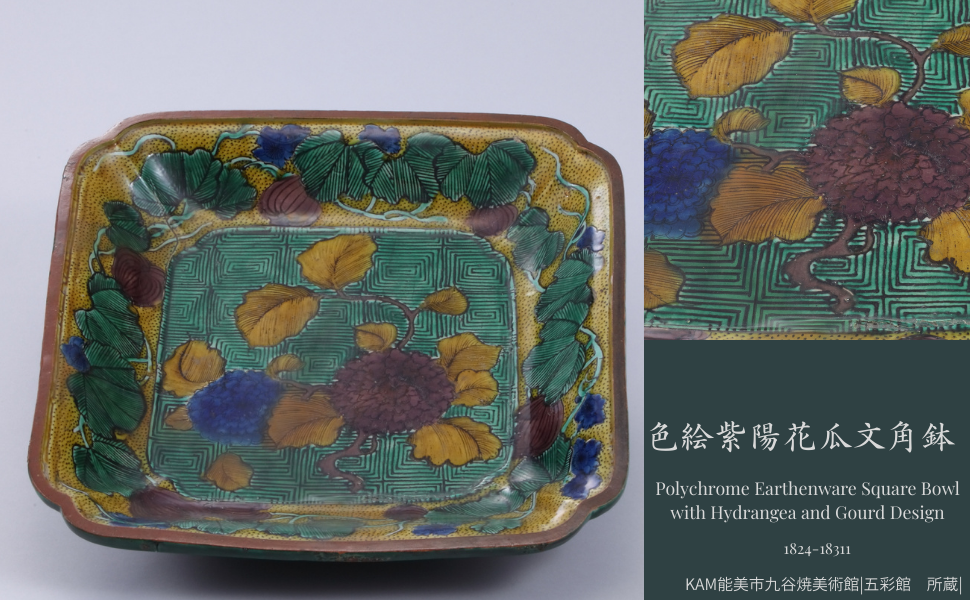
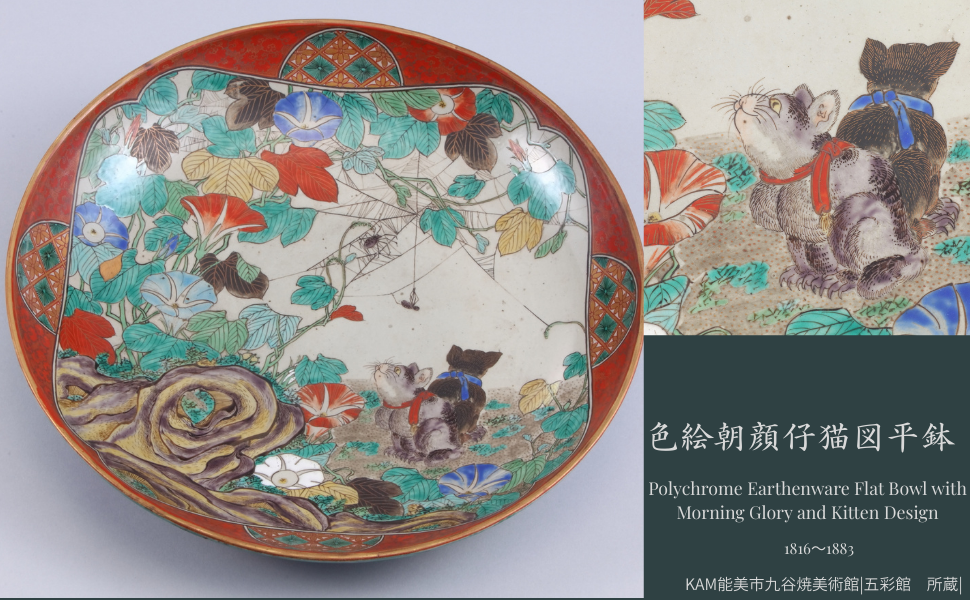
Meiji Export Boom
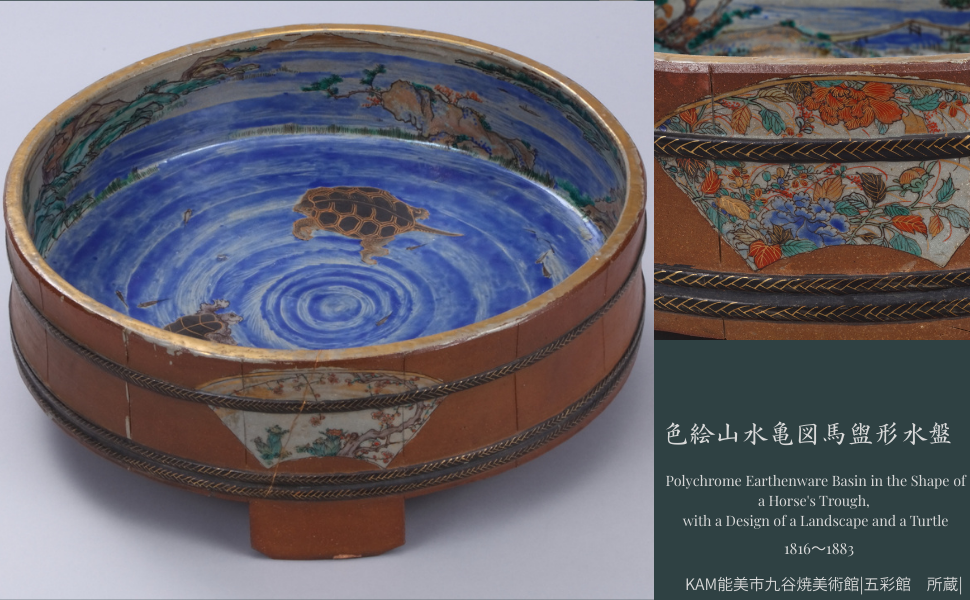
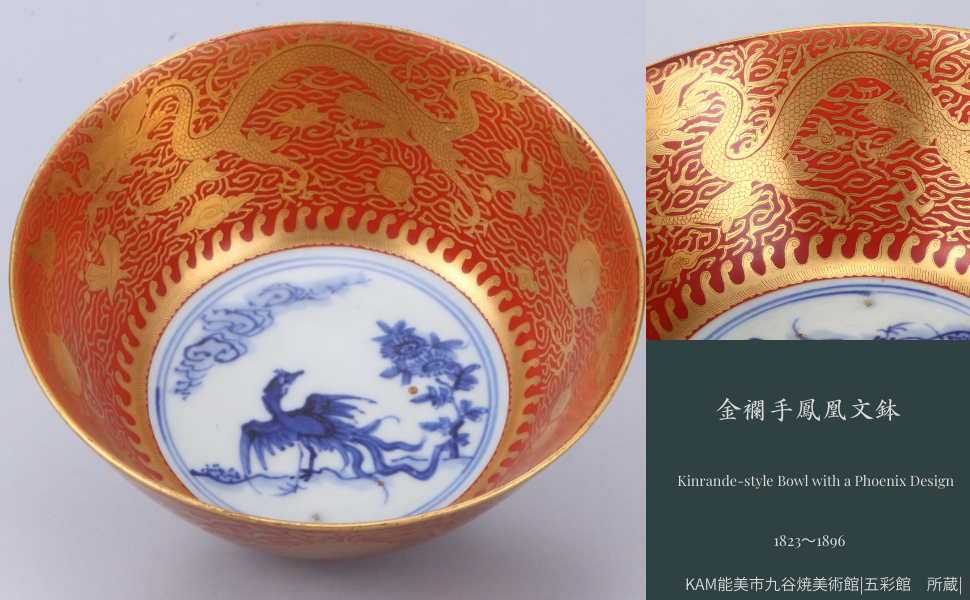
Contemporary Kutani
Today, traditional techniques coexist with modern design, large sculptural works, and everyday tableware. The idea of “usable craft” has been rediscovered alongside museum-grade artistry.
How Kutani Ware Is Made: Step-by-Step
- Forming (Body-making): Wheel work, hand-building, or molds set shape, weight, rim feel, and foot-ring balance.
- Drying: Even drying prevents warpage and cracks; timing varies by thickness and form.
- Bisque firing (≈750–900°C): Stabilizes the body and prepares it for glazing/painting.
- Glazing: Clear or tinted glazes; thickness and flow influence gloss, tone, and surface feel.
- Main firing (≈1250–1350°C): Vitrifies the body into a smooth, white porcelain-like substrate.
- Overglaze painting: Traditional pigments (metal oxides + frit) build lines and color fields, often around the Five Colors.
- Low-temperature firing (≈700–850°C): Fuses pigments (and gold/silver accents) to the surface for colorfastness and strength.
Signature Styles & Techniques
Aka-e Saibyō (Fine Red Linework)
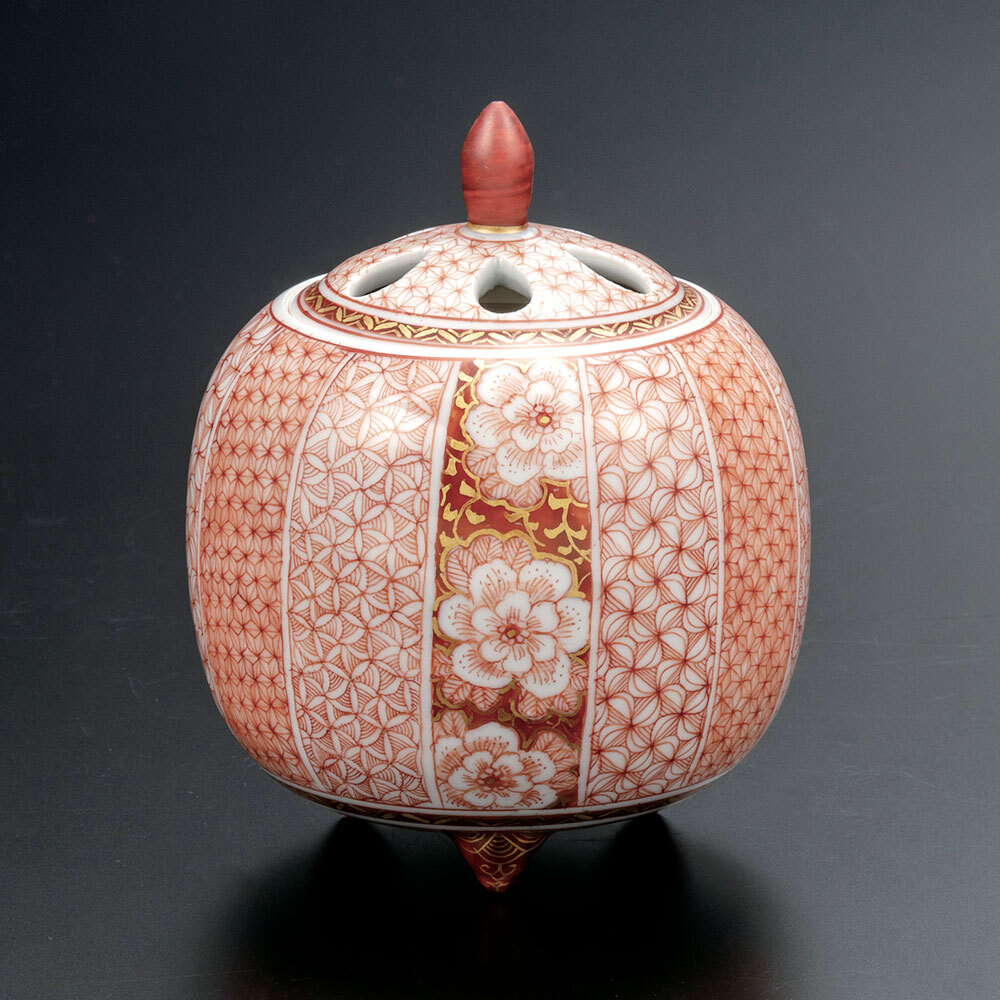
- What to look for: Relaxed but clean lines; consistent density; tasteful gold highlights.
- Use cases: Sake cups, small plates—add visual “intensity” to compact surfaces.
Aochibu (Blue Stippling)
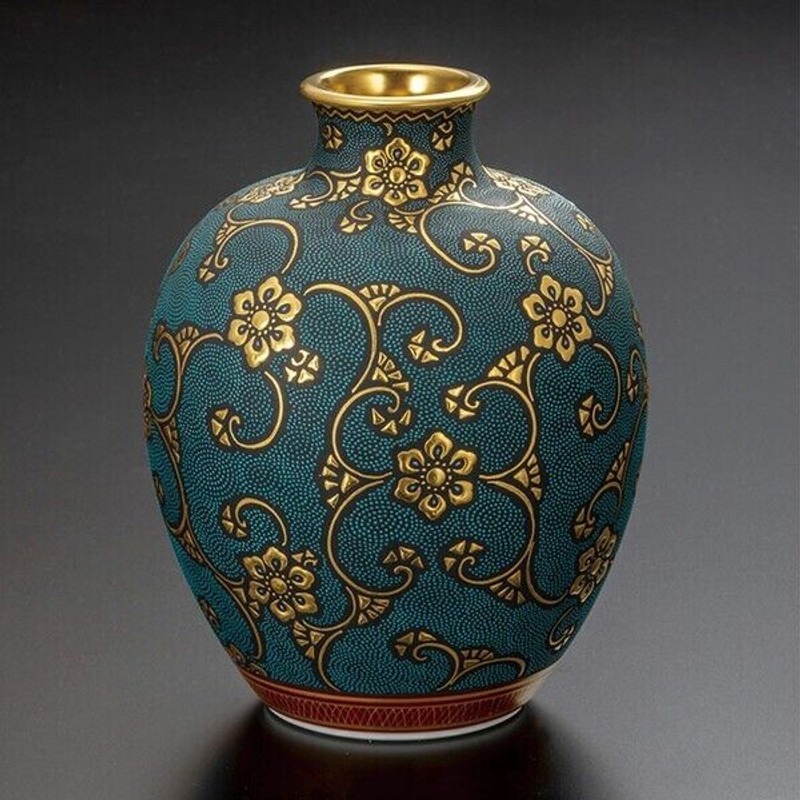
- What to look for: Even dot diameter and spacing; minimal drift in rows; subtle light-and-shadow.
- Use cases: Incense burners, sake cups, bean plates—small formats with high density.
Kinsai / Yūri-Kinsai (Gold & Under-Glaze Gold)
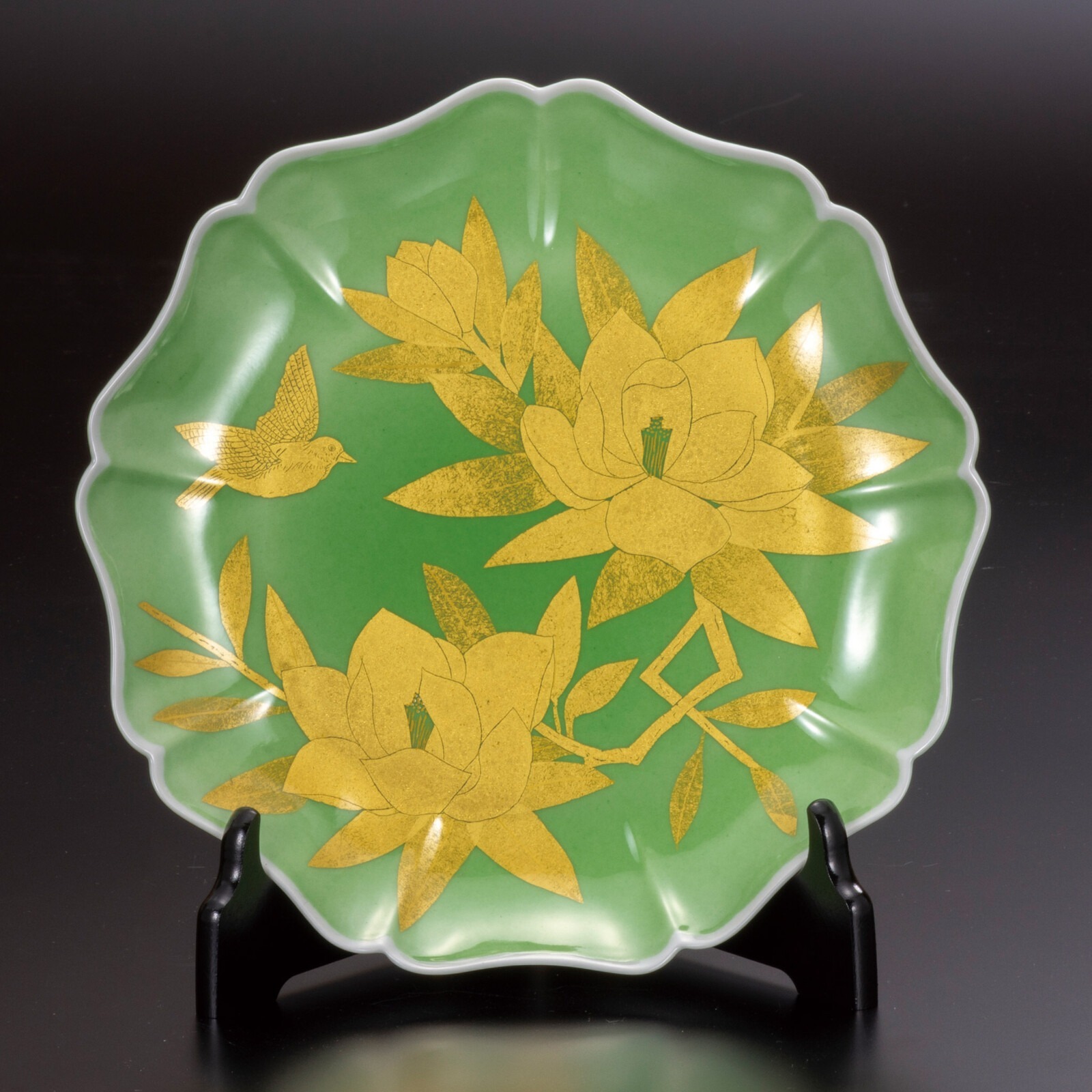
- What to look for: Clean edges; even brilliance; for under-glaze gold, note the depth and smooth transitions.
- Use cases: Display plates, vases, sake ware—ideal for celebratory gifting.
HanaTsume (All-Over Florals)
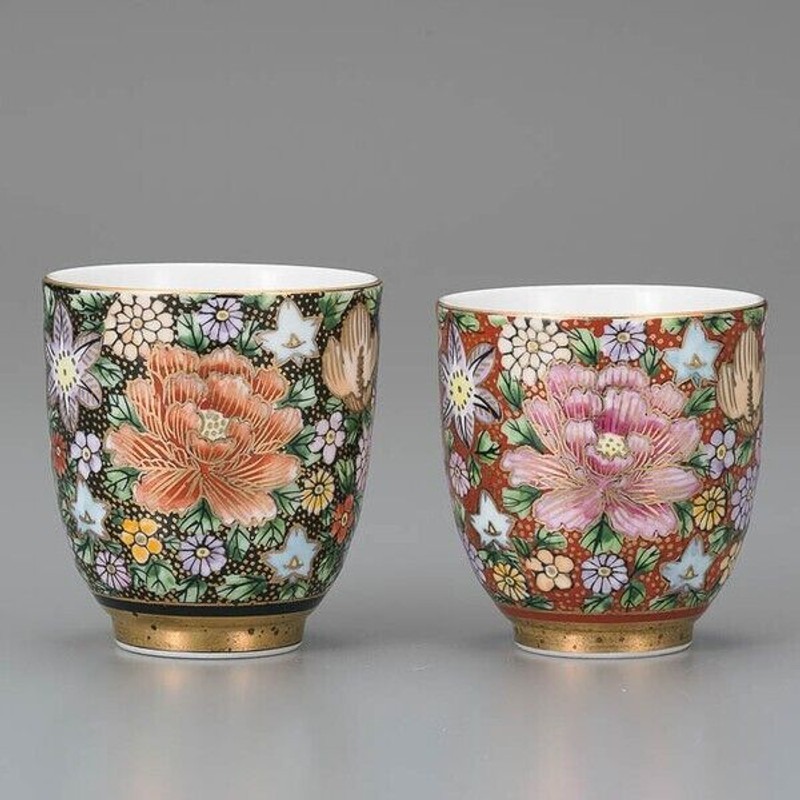
- What to look for: Color planning works up close and from afar; crisp gold line quality.
- Use cases: Display pieces or focal accents in interiors.
How to Choose & Use Kutani Ware
Choose by purpose
- Daily tableware: rice bowls, yunomi, small/medium plates.
- Entertaining: sake cups, tokkuri, serving plates.
- Display: vases, large chargers.
Choose by size
| Size | Typical use |
|---|---|
| Small plate (Ø 9–12 cm) | Condiments, sweets, “mamezara” styling |
| Side plate (Ø 14–16 cm) | Side dishes, desserts |
| Medium plate (Ø 18–21 cm) | Main dish, shared plates |
| Rice bowl (Ø 11–12 × H 6–7 cm) | Daily rice and soups |
| Yunomi (Ø 7–8 × H 8–10 cm) | Tea and beverages |
Styling tips
- Harmonize: keep a similar color family for a calm table.
- Pop: add complementary colors for photo-friendly contrast.
- Technique balance: pair a dense piece (e.g., Hanazume) with plainer ware to avoid visual overload.
Internal links: Shop Kutani tableware · Sake ware collection · Learn about Mino/Shigaraki/Takaoka
Care & Handling
- Microwave: Avoid for gold/silver or heavily overglazed pieces. Even without gold, do not overheat.
- Dishwasher: Hand-wash recommended—abrasion may dull gold and raised decoration.
- Thermal shock: Avoid sudden temperature changes to prevent cracks.
- Stacking: Use soft separators (paper/cloth) to protect surfaces.
FAQ
Is Kutani ware pottery or porcelain?
Mainly porcelain-like (white, vitrified body), though textures vary by maker.
Do all pieces use all Five Colors?
No—“Five Colors” is a traditional palette concept, not a strict rule.
Can I use Kutani daily?
Yes. It’s durable enough for table use; be mindful of gold and raised work.
Microwave and dishwasher?
Generally avoid for gold/silver and heavy overglaze. When unsure, hand-wash and keep heat gentle.
Glossary
- Overglaze painting: Painting on the glaze after main firing; then refiring at lower temperature.
- Five Kutani Colors: Red, yellow, green, purple, ultramarine (Konjō).
- Bisque / Main firing: ≈750–900°C / ≈1250–1350°C.
- Aka-e Saibyō: Fine vermillion linework filling space with dense patterns.
- Aochibu: Blue dots placed one by one to build patterned grounds.
- Kinsai / Yūri-Kinsai: Surface gold vs. under-glaze gold for depth.
- Hanazume: All-over blossoms traced with gold outlines.