
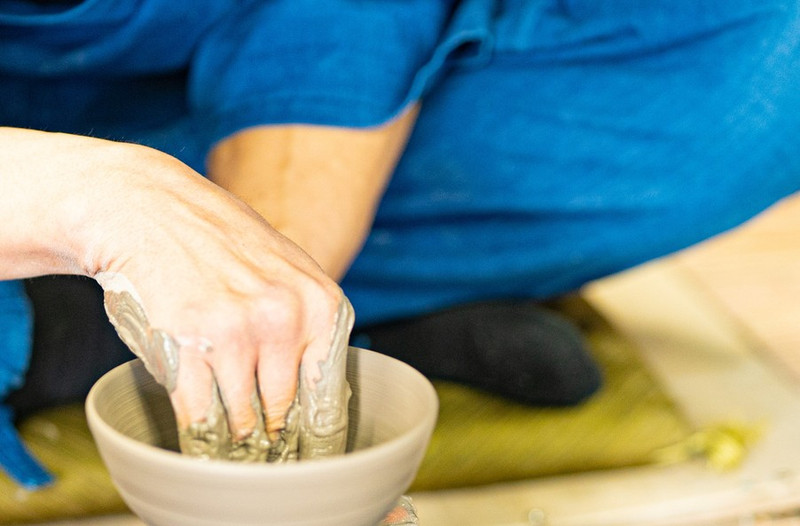
If you've ever admired the rustic charm of a Japanese tea bowl or the vibrant elegance of a Kutani plate, you're not alone. Japanese ceramics have captivated the world for centuries—with each piece telling a story of culture, craftsmanship, and time. Let’s take a journey through Japan’s ceramic history, from its prehistoric origins to the artistic treasures we still cherish today.
Jōmon Period (10,000–300 BCE): The Birth of Pottery
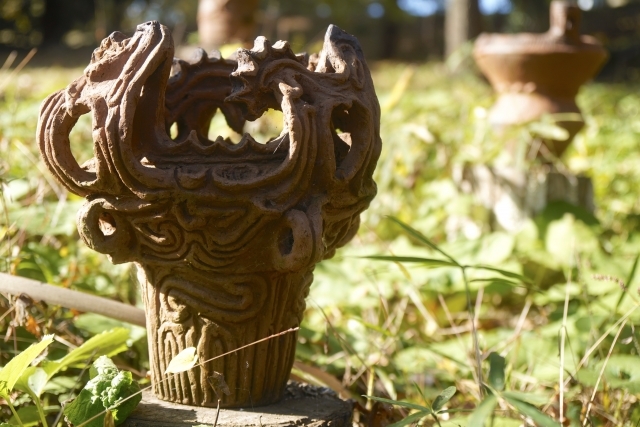
Japan is home to some of the world’s oldest known pottery. During the Jōmon period, people crafted clay vessels decorated with rope-like impressions—hence the name “Jōmon,” meaning “cord-marked.” These early pieces were not only functional but deeply expressive, reflecting the spiritual connection between nature and daily life.
Yayoi & Kofun Periods (300 BCE–538 CE): Simplicity in Form

As the culture evolved, pottery designs became more refined and minimal. Yayoi vessels featured smooth, wheel-thrown forms, while the Kofun period introduced haniwa—terracotta figures placed in burial mounds. The artistry was subtle, but it hinted at ceramics being more than just practical objects.
Asuka to Heian Periods (538–1185): Glaze and Innovation
Influenced by Chinese and Korean techniques, Japan began producing glazed pottery, such as Sue ware, fired at high temperatures. These early innovations laid the groundwork for future styles. Some of our current collections still reflect the earthy blues and ash-grey tones reminiscent of Sue ware.
Kamakura to Muromachi Periods (1185–1573): Tea Culture and Wabi-Sabi
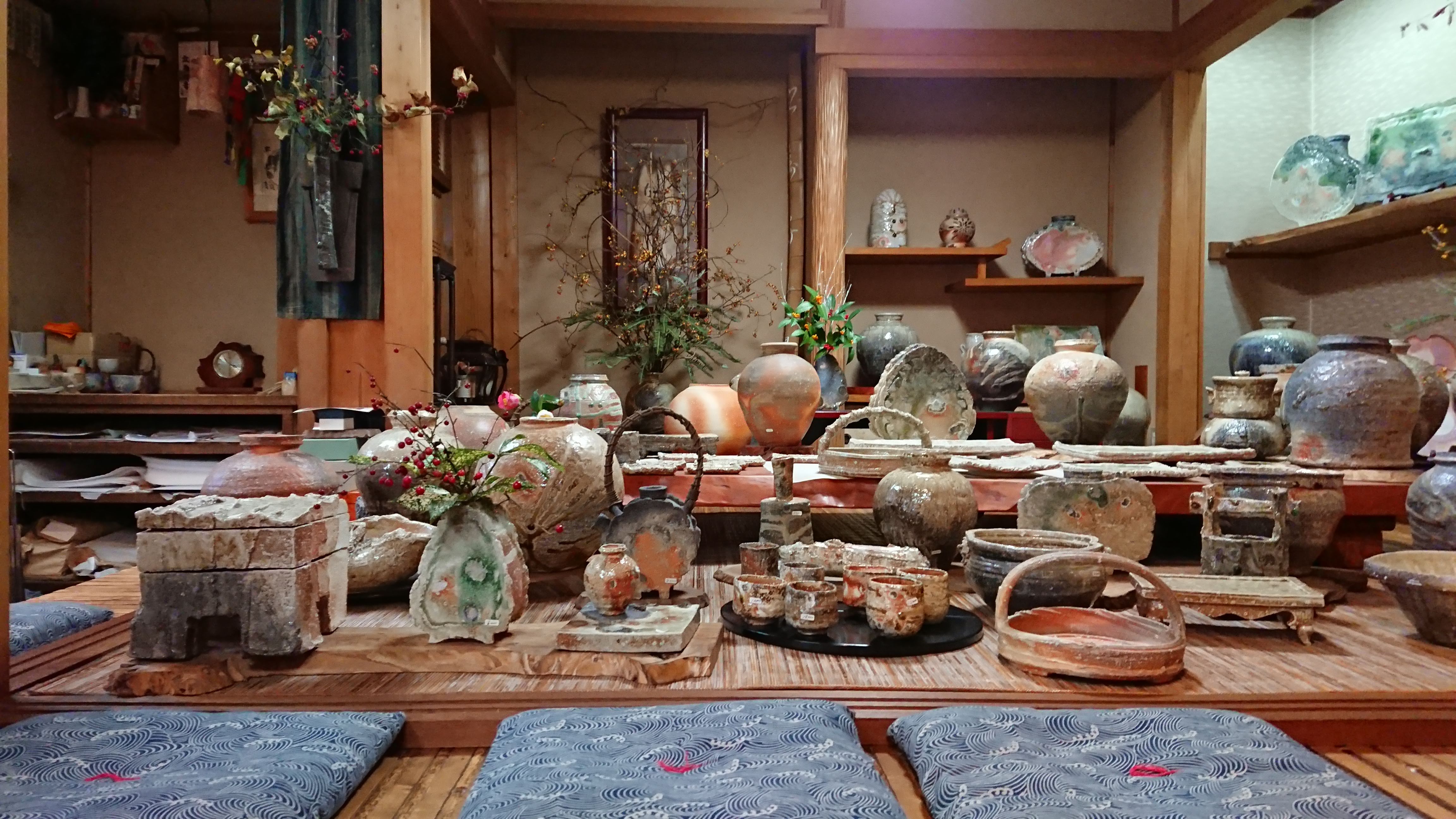
The rise of Zen Buddhism and the tea ceremony introduced the aesthetic of wabi-sabi—finding beauty in imperfection and transience. Pottery from this era, including Shigaraki, Bizen, and Iga ware, embodies this philosophy with their natural textures and fire-born markings. We offer Shigaraki pieces that embrace these same qualities, with organic shapes and a quiet strength that reflects their mountain kiln origins.
Momoyama to Edo Periods (1573–1868): A Golden Age of Regional Kilns
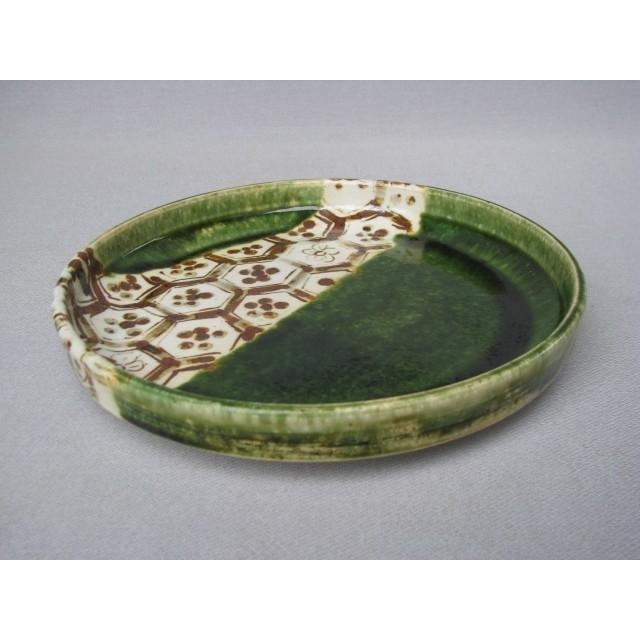
- Arita (Imari) ware: Japan’s first porcelain.

- Kutani ware: Known for colorful overglaze patterns.

- Kyō ware (Kyo-yaki): Produced in Kyoto, these ceramics are elegant, delicate, and often reflect the capital’s refined courtly culture.

Meiji to Modern Era (1868–Present): Global Recognition and Artistic Legacy
During the Meiji era, Japanese ceramics stunned audiences at international expositions. Today, they continue to blend tradition with innovation—honoring heritage while exploring new forms and firing techniques. Many of our featured artisans today still use ancestral kilns and techniques passed down through generations, bringing timeless craftsmanship into the present.

Why Japanese Ceramics Still Matter
Japanese ceramics are more than beautiful—they are deeply personal and profoundly cultural. Whether used for tea, shared meals, or simply displayed as art, each piece carries the weight of centuries of aesthetic philosophy and lived experience.
Find a Piece That Speaks to You
Bring the spirit of Japanese craftsmanship into your daily life. Explore our collection of hand-selected ceramics—from rustic tea bowls to dazzling Kutani plates. Browse our full collection here.