
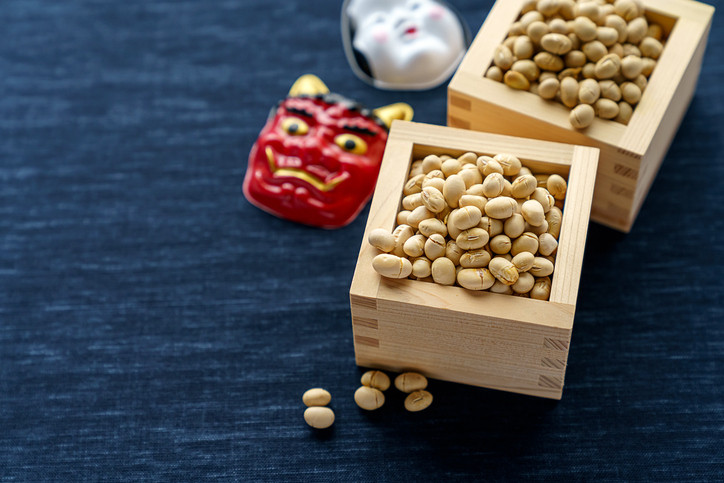
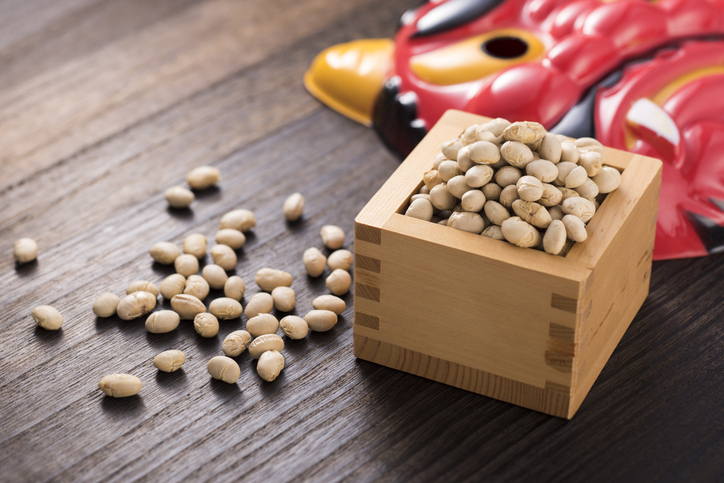
Setsubun is a traditional Japanese event celebrated in early February, just before the beginning of spring in Japan’s seasonal calendar. It is known for mamemaki (bean throwing), playful oni masks, and the idea of clearing away bad luck to welcome a fresh season. For ceramic lovers and tableware collectors, Setsubun is also a perfect moment to style a seasonal table—simple, meaningful, and deeply Japanese.
What is Setsubun?
Setsubun literally means “seasonal division.” Historically, it referred to the days that marked the transition between seasons. Today in Japan, Setsubun most commonly refers to the day just before Risshun, the traditional “beginning of spring.”
In daily life, Setsubun feels less like a formal holiday and more like a household ritual: a way to reset your space, your mood, and your intentions for the season ahead.
Why do people throw beans at oni?
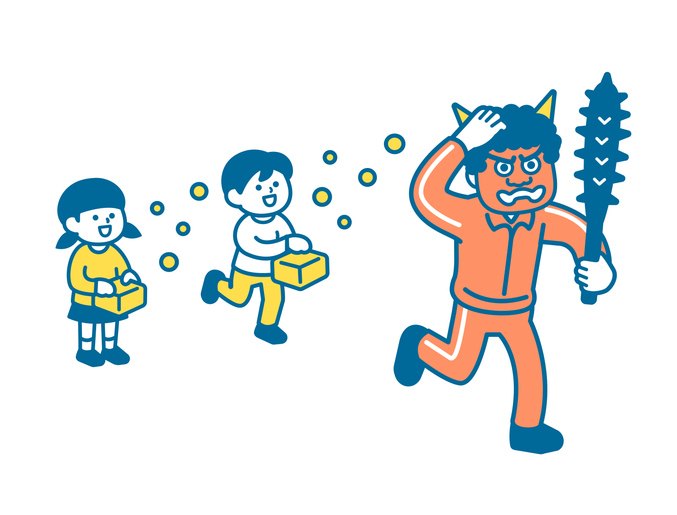
The most famous Setsubun custom is mamemaki, or bean throwing. In Japanese folklore, oni are symbols of misfortune—things like illness, bad luck, or negativity that people hope to keep out of the home.
Families throw roasted soybeans while saying: “Oni wa soto, fuku wa uchi” (Demons out, good fortune in). The meaning is symbolic rather than aggressive: it’s a simple act of purification and a wish for health, happiness, and harmony.
After the bean throwing, some people also eat the roasted beans as a small gesture of good luck—another example of how Japanese seasonal customs blend symbolism with everyday life.
Ehomaki: a modern Setsubun tradition
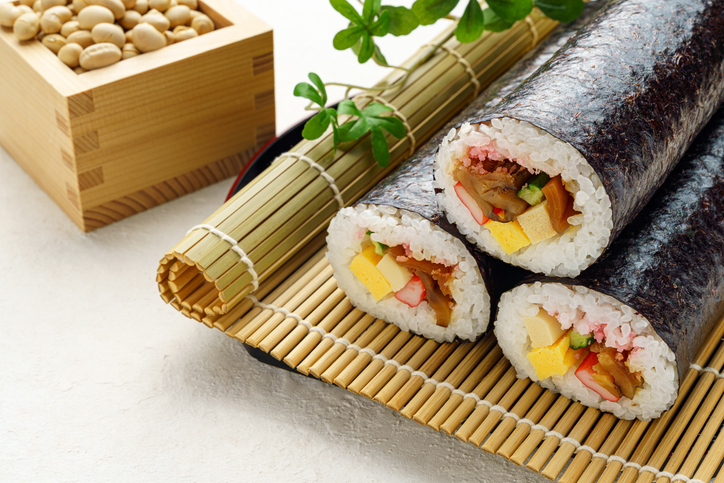
Many families in Japan also enjoy ehomaki, a thick sushi roll eaten on Setsubun. The custom is to face the year’s lucky direction (the ehō) and eat quietly while making a wish.
Ehomaki became widely popular in modern Japan, showing how seasonal traditions continue to evolve—blending old ideas (good fortune, purification, seasonal change) with contemporary food culture.
How to celebrate Setsubun at home (even outside Japan)
Setsubun is wonderfully simple. You don’t need a temple visit or special tools. A handful of roasted beans, a moment of intention, and a small seasonal meal are enough.
- Set a small bowl of roasted soybeans on the table.
- Try mamemaki (even gently and playfully) to “clear the air.”
- Enjoy a seasonal meal—ehomaki, soup, or any comfort food you love.
- Make a simple wish for health, calm, and good fortune as spring approaches.
A Setsubun table for ceramic lovers
Setsubun is not about elaborate decoration. A few thoughtfully chosen pieces are enough to create a seasonal mood— which is exactly why it resonates with collectors.
- Small plates / saucers for roasted soybeans or seasonal sweets.
- Long plates for ehomaki, appetizers, or sashimi-style serving.
- Small bowls for pickles, simmered vegetables, or side dishes.
- Textiles / wall hangings to frame the season with color and texture.
Japanese tableware often carries a quiet idea: it should “hold a season,” not just food. Setsubun is a perfect moment to experience that philosophy at your own table.
Featured seasonal décor to pair with your Setsubun table
Kiso Hinoki Kagami-mochi – Wooden New Year Ornament
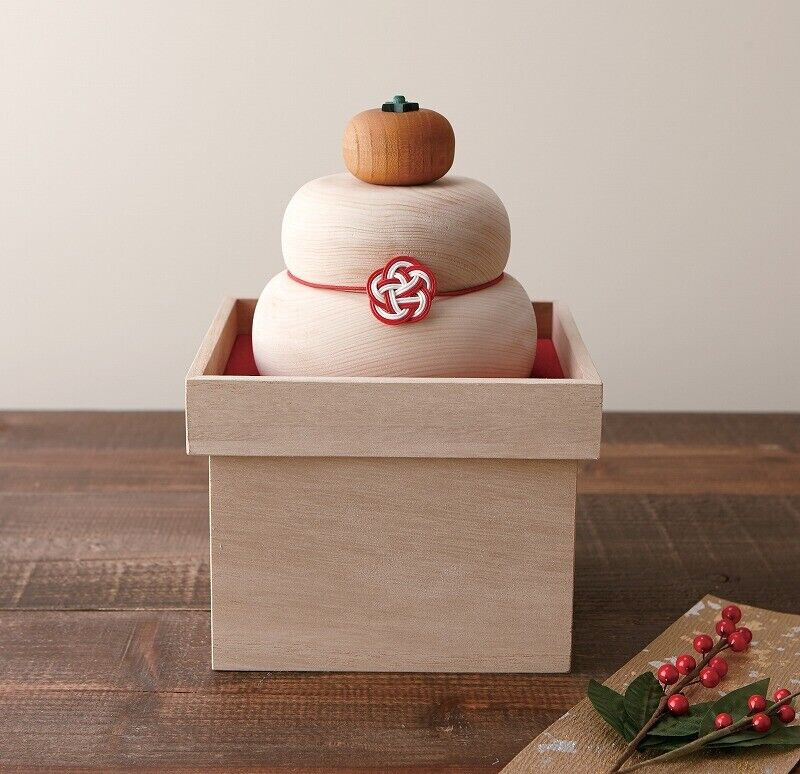
Crafted from Kiso Hinoki cypress, this wooden kagami-mochi offers a calm, modern interpretation of a classic seasonal decoration. Unlike real rice cakes, it can be displayed year after year—timeless, refined, and quietly sustainable.
Kyoto Linen Tapestry – Fuku Iwai Musubi (Winter)
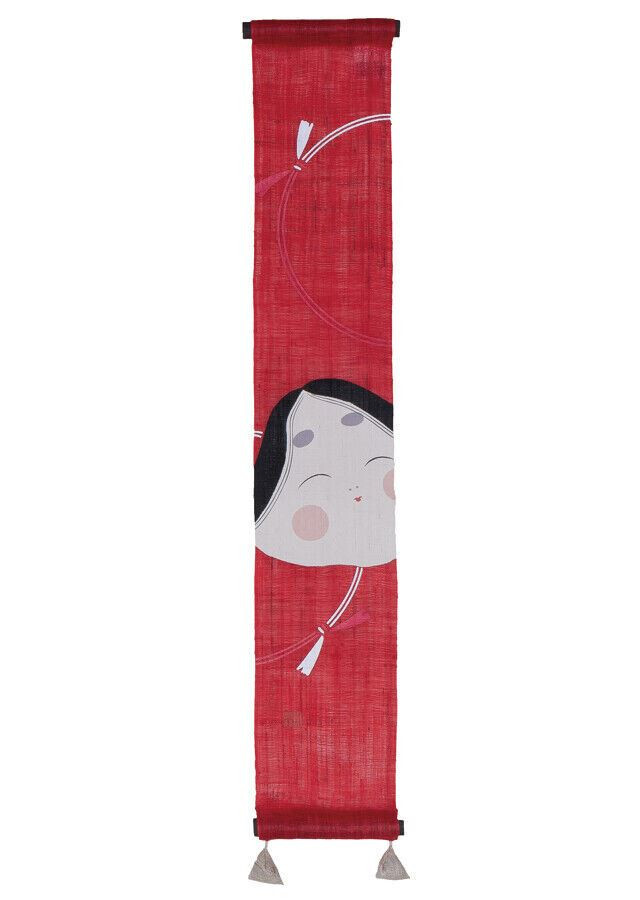
Hand-painted on linen in Kyoto, this small wall hanging features the motif of musubi—a symbol of connection, harmony, and good fortune. A subtle accent for late winter that complements ceramics beautifully and adds seasonal atmosphere to your home.
FAQ – Setsubun in Japan
What is Setsubun and how is it celebrated?
Setsubun is a traditional Japanese event marking the transition between seasons. Today it is mainly celebrated in early February, just before the beginning of spring in Japan’s seasonal calendar.
The most common custom is mamemaki (bean throwing). People throw roasted soybeans while saying “Oni wa soto, fuku wa uchi” (Demons out, good fortune in), symbolically clearing away bad luck and welcoming health and happiness into the home.
Why do you throw beans at oni?
In Japanese folklore, oni represent misfortune and negative energy. Beans are believed to have protective power and symbolize vitality.
Throwing beans is a symbolic act of purification and a wish for a fresh start—driving out what you don’t want and inviting good fortune in.
What Japanese holiday is on February 3?
In Japan, February 3 is commonly celebrated as Setsubun (the exact date can vary slightly by year). It is associated with the day before Risshun, the traditional beginning of spring.