

A noren asks very little of you — only that it be hung well and cleaned gently. Those two small things are what let a panel of dyed cloth stay beautiful at your doorway for years.
A noren (noren, 暖簾) is one of the simplest objects in the Japanese home, and one of the most quietly useful. It is a panel of fabric, hung from a rod across a doorway, with a vertical slit up the middle so a person can pass through with a light push of the hand. It softens a threshold, hides what is behind it without closing it off, marks a room as in use, and changes the feeling of a space more than its small size suggests.
A noren asks very little of you. But the two things it does ask — that it be hung well, and cleaned gently — are worth knowing, because they are what let a good noren stay beautiful for years rather than fade and sag within one. This guide covers both: how to hang a noren in any kind of room, and how to care for one once it is yours — including the part that surprises most people, which is that the most beautiful noren are usually best not washed at home at all.
On this page
1. First, What You Are Hanging
Care depends almost entirely on material, so it helps to know which of three broad families your noren belongs to before you do anything else.
Linen and hemp (麻). The classic material of Kyoto-style noren. Linen and hemp panels drape with a particular crisp weight, soften beautifully with age, and carry hand-dyeing — including indigo — better than almost any other cloth. They wrinkle readily and reward gentle care. These are usually the most expensive noren, and the longest-lived.
Cotton (木綿). Softer and more casual than linen, cotton noren are the everyday workhorses — comfortable, forgiving, often printed with playful motifs. They shrink slightly and can lose a little colour, but they are simple to live with.
Polyester and blends. Modern, inexpensive, and the easiest to maintain. Polyester noren resist fading and wrinkles, dry quickly, and tolerate machine washing in a way natural fibres do not. Many of the brightly printed ukiyo-e and cat-motif panels are polyester. There is nothing lesser about them — they are simply built for easy life rather than slow ageing.
One more distinction worth a sentence, because it changes how you clean a piece: how it was coloured. A printed polyester panel has stable, fixed colour. A chūsen-dyed or hand-dyed cotton or linen panel, where dye is poured through the cloth so front and back read alike, carries living colour that can move in water — most of all when the dye is natural indigo (藍染め, aizome). Indigo is the one to treat with real care, and we will come back to it.
2. How to Hang a Noren

The rod
A noren hangs from a rod (a pole) threaded through the fabric sleeve sewn along its top edge. Almost any rod that fits the sleeve will work, and you have two sensible choices.
A tension rod — an extendable spring-loaded curtain rod, usually 1–2 cm (about 0.4–0.8 in) in diameter — is the easiest option by far. It installs with no tools and no holes, wedged between two walls or inside a door frame, which makes it ideal for rentals and for anyone who would rather not drill. A wood or iron decorative rod is the choice when you want the rod itself to be part of the look; it is mounted on hooks or brackets for a more permanent, traditional setting.

Ways to support it
Match the support to your wall and how long the noren will stay up. A tension fit between two walls or door frames needs no hooks at all and leaves no mark — the rental-friendly default. Adhesive wall hooks stick on and hold the rod with no drilling, fine for lighter panels. Screw-in hooks or brackets give the most stable, lasting hold, the right answer for a shop entrance or a high-traffic doorway. And for the most relaxed look of all, you can skip the rod entirely and pin the top corners directly to the wall with small thumbtacks or decorative pins — this suits lightweight panels and turns a noren into something closer to a wall hanging.
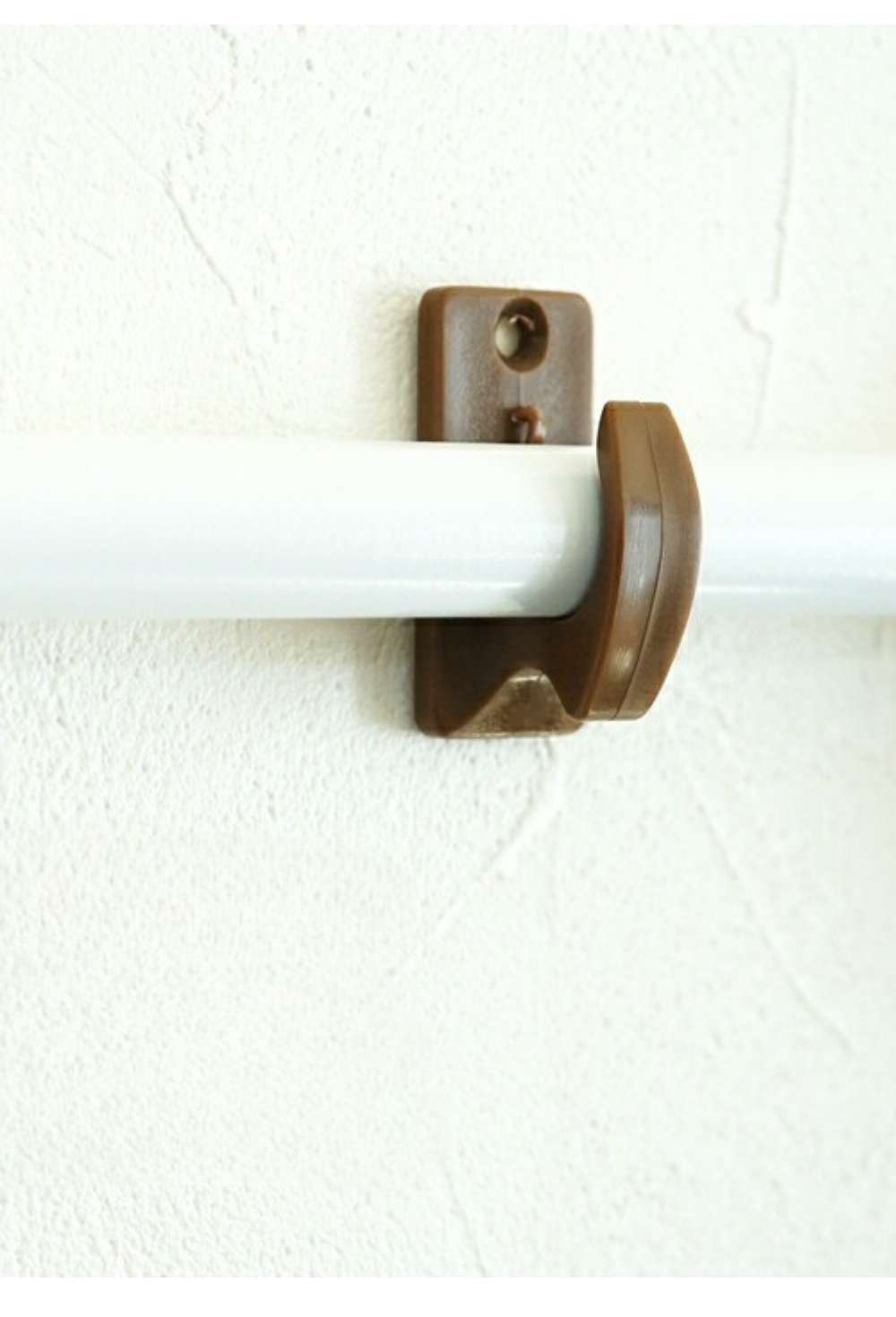
If you would like a simple plastic hook included with your noren, we are glad to add one to your order free of charge — just let us know when you order.

Height, and the slit
Hang a noren so its hem sits a little off the floor — about 10–15 cm (4–6 in) clear is the classic proportion, enough to read as deliberate rather than too long. The vertical slit up the centre is meant to be walked through; over a doorway the two panels part at a touch and fall back into place behind you. Over a window, on a wall, or across an alcove, the slit simply becomes part of the design.
Where a noren earns its place
Beyond the obvious entryway, a noren does quiet work in a surprising number of spots: across a kitchen or pantry opening, in front of a restroom or a storage nook to soften it, as a low room divider that suggests a boundary without building a wall, or pinned flat to a plain wall as an accent. Changing the panel with the seasons — a cool indigo or linen in summer, a warmer motif in autumn — is one of the easiest ways to refresh a room without rearranging anything in it.

3. How to Care for a Noren
Here is the heart of it. A noren is cleaned rarely — it does not get the wear a garment does — and the single most useful thing to know is that how you clean it depends entirely on what it is made of. For most of the beautiful ones, the gentlest care is also the least hands-on.
Hand-dyed, hand-painted, and natural-fibre noren
This covers many traditional and higher-end panels — linen, hemp, cotton, and anything dyed by hand in indigo or other natural colours, or hand-painted. For these, professional cleaning is the safest option, especially for hand-dyed, indigo-dyed, or hand-painted pieces: a cleaner accustomed to delicate or traditional textiles will be less likely to lift, blur, or bleed the colour — and once a hand-painted line has run, it does not come back. Treating one of these panels as you would a fine, hand-finished textile, rather than ordinary laundry, is simply what keeps it looking the way it did when you chose it.
For a small mark between cleanings, you do not need to wash the whole panel — and you should not. Dab it gently instead: blot and lightly tap the spot with a clean cloth wrung out in lukewarm water, working from the outside of the mark inward. Do not rub, soak, or scrub. On hand-dyed cloth, rubbing is exactly what spreads both the stain and the dye. Let the spot air-dry in the shade afterward.
Polyester and blends
The easy case, and the one you can confidently wash at home. Polyester noren tolerate machine washing on a gentle cycle, ideally inside a laundry net, and resist both fading and creasing. Skip bleach and high heat, which can damage the print and the fibre over time — and that is essentially all there is to it.
When in doubt about any piece, follow the guidance that comes with it; dyeing and finishing methods differ between workshops, and the maker knows their own work best.
Drying
Whenever a noren has been cleaned or spot-dabbed — or after washing a polyester panel — dry it in the shade (kageboshi, the same shade-drying the Japanese give to indigo and fine textiles). Direct sun lifts pigment faster than almost anything else and is the most common cause of a noren fading unevenly. Smooth the hems and seams flat with your hands and hang the panel by its rod sleeve so it dries in its natural shape; reshaping it while damp saves most of the ironing later.
Ironing
If you press a linen or cotton panel at home, iron on a warm setting with a cloth laid over the fabric, working along the rod pocket and side seams while it is still very slightly damp. (A professional clean usually returns the panel already pressed.) Either way, a little softness and a few relaxed creases are part of a linen noren's character, not a failing — there is no need to chase a perfectly flat surface.
Sun, storage, and small repairs
A hung noren lives with light, and some gentle fading over years is natural and not unwelcome. If a panel hangs in harsh direct sun all day, simply rotating it or shifting it a little out of the strongest light will even out how it ages.
When you store a noren — between seasons, or a spare — make sure it is clean and completely dry first, then fold it loosely and keep it somewhere dark and dry. A drawer or tansu is ideal; darkness protects the colour, and dryness protects the cloth from must and mildew. Putting away a damp or unwashed panel is the one storage mistake worth avoiding.
Finally, handle small issues while they are still small. Reinforce a loosening corner stitch with a few neat passes of thread, re-tie a label loop that has come undone, and trim a wandering thread rather than pulling it. A noren is simply made, which means it is also simply mended, and a minute of attention now spares a fray later.
4. Care at a Glance
- Hand-dyed, hand-painted, linen, hemp, cotton — professional cleaning is safest; for a small mark, dab gently with a damp cloth (no rubbing, soaking, or full washing); shade-dry; store dark and dry.
- Polyester and blends — machine-wash gentle in a net; no bleach or high heat; quick-drying and fade-resistant; minimal ironing.
The single rule under all of these: no bleach, no hard rubbing, dry in the shade — and when a hand-dyed or hand-painted panel needs a real clean, leave it to a professional. Get that right and almost any noren will keep its beauty for years.
5. Frequently Asked Questions
Q: Can I put a noren in the washing machine?
A polyester noren, yes — a gentle cycle inside a laundry net, with no bleach or high heat. For hand-dyed, hand-painted, linen, hemp, or cotton panels, we recommend professional cleaning instead, and a gentle dab with a damp cloth for any small mark in between. Home machine-washing is the single thing most likely to blur or bleed a hand-dyed panel.
Q: Will an indigo (aizome) noren fade?
A little, slowly, and not unpleasantly — natural indigo softens over the years into a gentler blue that many people come to prefer. What you want to avoid is the fast, uneven fading caused by harsh direct sun, so dry the panel in the shade and, if it hangs in strong all-day light, rotate or shift it from time to time.
Q: How high should I hang a noren?
So the hem sits about 10–15 cm (4–6 in) clear of the floor — high enough to read as deliberate rather than too long. The rod threads through the sewn sleeve along the top edge.
Q: What size rod do I need?
Any rod that slips through the top sleeve will do; a tension rod about 1–2 cm (0.4–0.8 in) in diameter is the easiest. Choose a rod a little wider than the panel so the noren hangs flat and the ends rest on their supports — a few centimetres of rod showing on each side looks right.
Q: Can a noren hang outdoors or at a shop entrance?
Yes — shop curtains are the noren's oldest use. Just remember that sun, wind, and weather age fabric faster outdoors, so a polyester panel suits an exposed spot better than fine linen, and any noren lasts longer if it is brought in during hard weather.
6. Editor's Picks — Three Noren, Three Kinds of Care
Three panels from our collection, chosen to show the spectrum this guide describes — one to treat with care, one to live with gently, and one for easy everyday life.
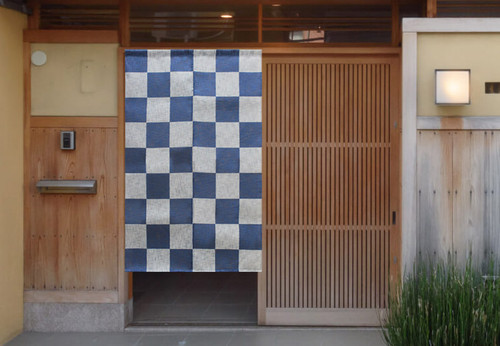
Pick 1 — Kyoto Linen Indigo (Aizome) Noren, Ichimatsu Check. A hand-dyed linen noren in true indigo, in the ichimatsu checked pattern. This is the noren for the reader who wants the real thing: natural indigo on good linen — the kind of panel to treat as a fine textile, professionally cleaned when it needs it, gently dabbed at a small mark, kept out of harsh sun. In return it ages into a deeper, softer blue over the years. The most beautiful kind of noren to live alongside, and the one that most repays a little knowledge. (See the noren)
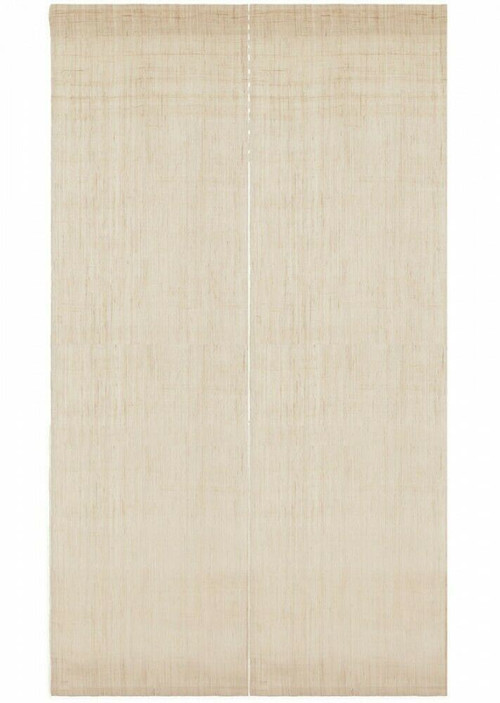
Pick 2 — Kyoto Linen Noren, Natural Ecru. An undyed natural-linen panel in a quiet ecru, handcrafted in the Kyoto style at 150 × 88 cm. Its plain, light weave suits almost any room, pairing as easily with wood and white walls as with darker, more traditional interiors, and like all good linen it asks only for gentle care — a professional clean when it needs one, a soft dab at a stray mark, and a shade-dry. A calm, versatile first noren. (See the noren)
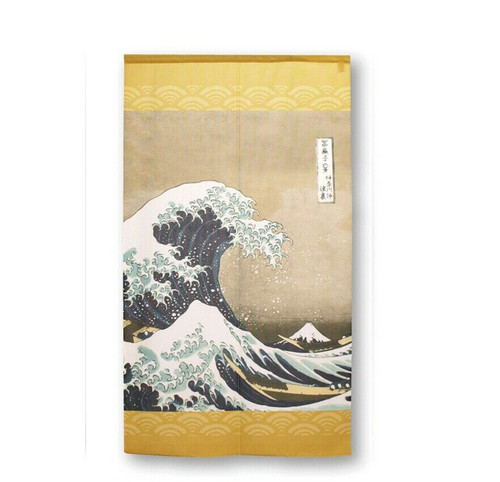
Pick 3 — Hokusai “Great Wave” Polyester Noren. A polyester tapestry-style panel printed with Hokusai's Great Wave off Kanagawa in a warm yellow ground. This is the easy-care end of the spectrum: machine-washable on a gentle cycle, fade- and wrinkle-resistant, and friendly in price — the panel to hang where you want colour and character without fuss, whether on a plain wall, across a doorway, or as a quick seasonal change. (See the noren)
7. Closing
A noren rewards a small amount of care out of all proportion to the effort. Hang it from a simple rod a hand's width off the floor; clean it rarely and gently — a professional clean for the hand-made panels, a quick gentle wash for the polyester ones, a soft dab for a small mark — dry it in the shade, and store it clean and dry. Do that, and a panel of dyed cloth will quietly do its work at your threshold for many years — softening a doorway, marking a season, and carrying a little of Japan into the rooms you live in.
If you would like help choosing a noren for a particular doorway or room, or have a question about caring for one you already own, we are always glad to help.
— from Osaka, Team Manekineko-Ai